Hear from Our Customers
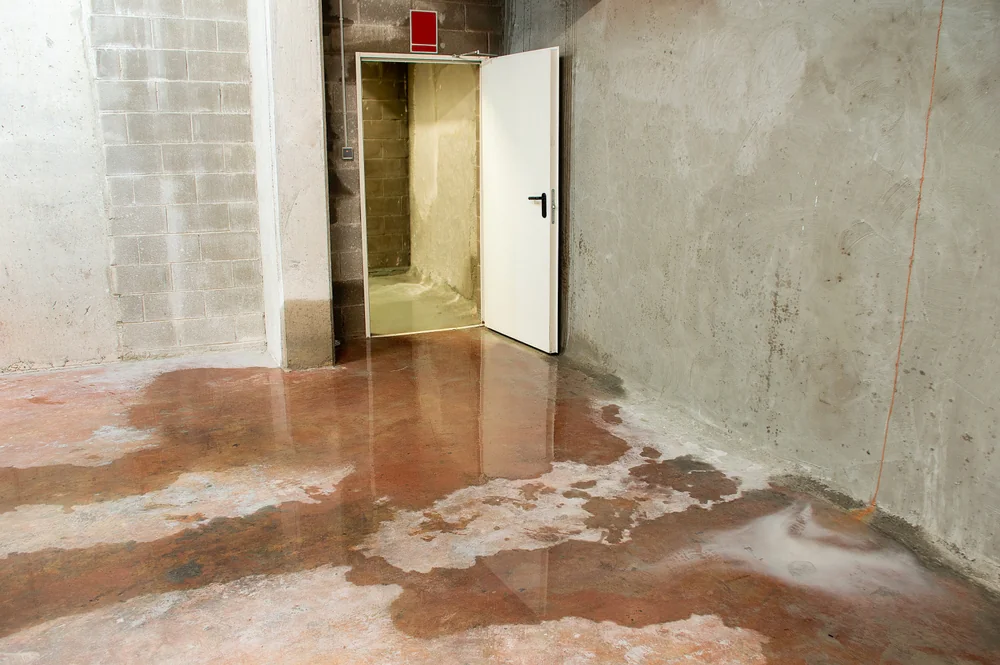
You’re not wondering if the damage is getting worse while you wait. Within 60 to 90 minutes, our team is at your door with industrial extraction equipment, moisture meters, and a clear plan.
We pull the standing water, map every wet zone with thermal imaging, and set up commercial-grade air movers and dehumidifiers. You get photo documentation and a moisture report within 24 hours—exactly what your insurance adjuster needs to move your claim forward.
Every 48 hours after that, you receive an update with new readings and photos. No guessing. No chasing us down. You know where the job stands, what’s drying, and when you can expect normal life to resume. That’s the difference between a water damage company that understands urgency and one that treats your emergency like a Tuesday.
We’ve been handling water damage restoration across Federal Hill, IN and the greater Indianapolis area for over eight years. Our technicians hold IICRC certifications in Water Damage Restoration (WRT), Applied Structural Drying (ASD), and Mold Remediation (AMRT)—the credentials that matter when your property and your insurance claim are on the line.
We’re not a national franchise with a local sticker. We’re a locally owned damage restoration service that knows Central Indiana’s freeze-thaw cycles, spring storm patterns, and the older housing stock that makes basements and crawl spaces especially vulnerable. When you call, you get a live person who can dispatch a truck to Federal Hill in under two hours, not a call center three states away.
We’ve built our reputation on transparent Xactimate pricing, direct insurance billing, and the kind of documentation that keeps claims moving. BBB accredited, fully insured, and available every hour of every day.
First, we answer your call live and dispatch a crew to your Federal Hill property within 60 to 90 minutes. No voicemail. No waiting until morning.
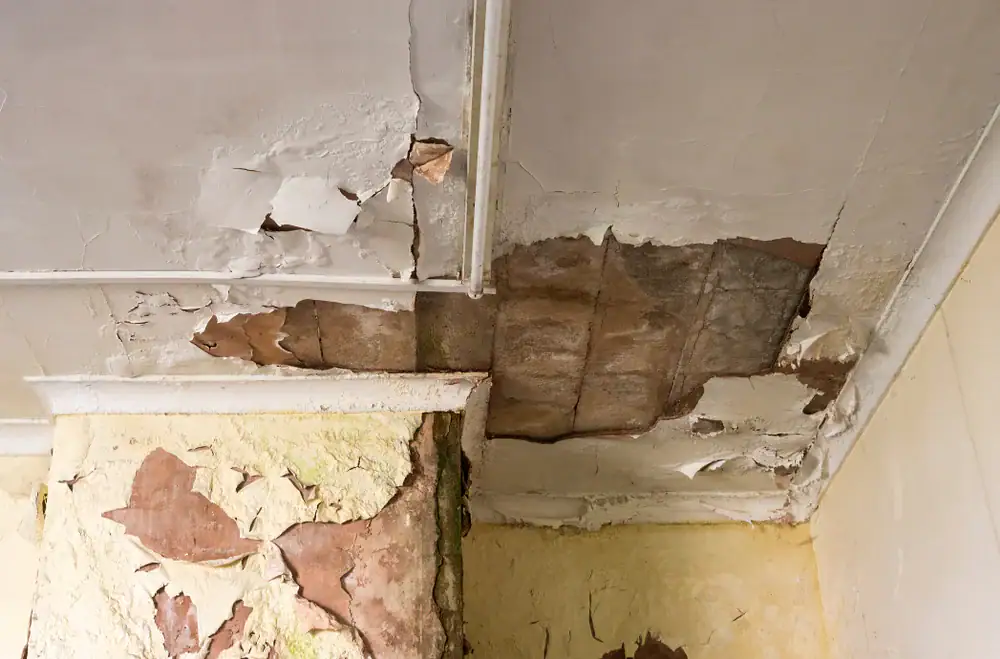
When we arrive, we assess the source—burst pipe, sump pump failure, roof leak, sewage backup—and stop it if it’s still active. Then we extract standing water using truck-mounted pumps or portable extractors depending on access. We pull up saturated padding, move furniture off wet floors, and document everything with photos and moisture readings.
Next comes containment. We seal off affected areas with plastic sheeting and set up negative air pressure with HEPA filtration so airborne moisture and potential mold spores don’t migrate into dry rooms. Then we position air movers and commercial dehumidifiers based on the moisture map. This isn’t guesswork—it’s applied structural drying, and it’s how you avoid tearing out materials that could have been saved.
Every two days, we return to take new moisture readings, adjust equipment, and update you and your insurance adjuster. When materials hit acceptable moisture levels, we remove the equipment, do a final walkthrough with you, and schedule a follow-up visit 14 days later to confirm everything stayed dry. If mold remediation, odor control, or reconstruction is needed, we handle that too. One company, one timeline, one point of contact.
Ready to get started?
You get 24/7 emergency water removal with a guaranteed response time under two hours for most Federal Hill addresses. We bring truck-mounted extraction units, thermal imaging cameras, moisture meters, air movers, and commercial dehumidifiers—everything needed to dry a structure correctly the first time.
We handle insurance documentation from day one. That means detailed photo logs, moisture maps, equipment logs, and daily progress notes uploaded to your claim file. We’ll invoice your carrier directly if your policy allows it, so you’re not fronting thousands of dollars while waiting for reimbursement. Our pricing aligns with Xactimate, the software most adjusters use, which means fewer disputes and faster approvals.
Federal Hill’s housing stock—much of it built before modern waterproofing standards—makes basements and crawl spaces especially prone to water intrusion during Central Indiana’s heavy spring rains and winter freeze-thaw cycles. We see sump pump failures during storm surges and burst supply lines when temperatures drop below 10 degrees. Our crews know how to dry rim joists, floor systems, and foundation walls without over-drying or under-drying, both of which cause problems down the line.
If we find mold during mitigation, we’re certified to remediate it. If your HVAC system pulled in smoke or odors, we clean ductwork. If the damage involves sewage or biohazards, we’re trained and equipped for that too. You’re not calling five companies—you’re calling one.
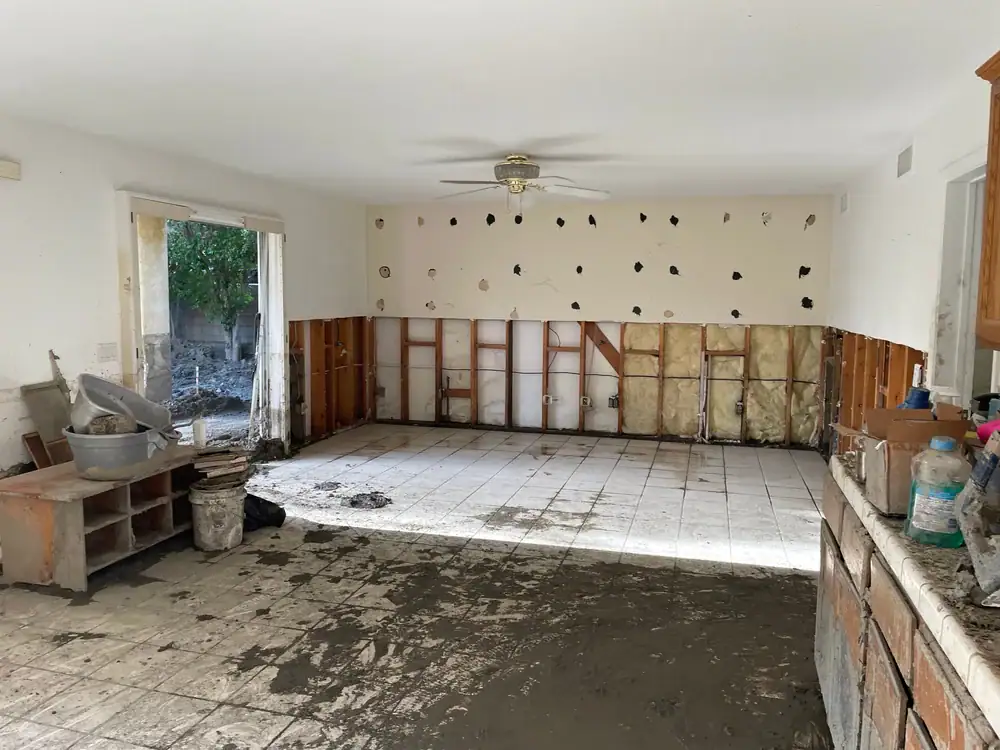
Mold spores can start colonizing within 24 to 48 hours if materials stay wet. Central Indiana’s humidity—especially during summer months—accelerates that timeline.
That’s why every hour you wait makes the problem bigger and more expensive. Drywall, insulation, and wood framing hold moisture like a sponge, and once mold takes hold, you’re looking at remediation costs on top of drying costs.
Our 60-to-90-minute response time is designed to get extraction and drying equipment running before that 24-hour window closes. We also use containment and HEPA filtration from the start, so even if there’s some mold present, it doesn’t spread to clean areas of your home while we’re working. The faster we dry it, the less likely you are to need mold remediation at all.
It depends on the source. Most policies cover sudden and accidental water damage—burst pipes, appliance malfunctions, roof leaks from storm damage. They typically don’t cover flooding from external sources like rivers or surface water, which requires separate flood insurance, or long-term neglect like a slow leak you ignored for months.
We work with insurance claims every day, so we know what adjusters need to see. We document the source, the extent, and our mitigation steps with photos, moisture readings, and equipment logs. That documentation gets submitted within 24 hours, and we update it every 48 hours as the job progresses.
If your policy includes direct billing, we’ll invoice the carrier and you pay your deductible. If not, we’ll give you a detailed, Xactimate-aligned estimate you can submit for reimbursement. Either way, we’ll walk you through what’s covered, what’s not, and what to expect. We’ve been doing this since 2016—we know how to keep claims moving and disputes to a minimum.
Extraction removes standing water—the stuff you can see pooling on floors or soaking carpets. Structural drying removes moisture trapped inside walls, subfloors, insulation, and framing—the stuff you can’t see but will destroy your property if left untreated.
A wet vac or shop vacuum can handle extraction if you catch it early and the volume is small. But structural drying requires commercial dehumidifiers, air movers, and moisture meters to track progress. You’re not just drying the surface—you’re pulling moisture out of wood studs, concrete, and cavity spaces where air doesn’t naturally circulate.
We use thermal imaging to find hidden moisture, then position equipment to create airflow and drop humidity levels in those specific zones. We take moisture readings every two days and adjust equipment placement until everything hits acceptable levels. That’s applied structural drying, and it’s the only way to avoid warping, rot, and mold growth weeks or months later. Skipping this step is how you end up with a bigger problem than you started with.
Drying time depends on how much water, what materials got wet, and how long it sat before we started. A small supply line leak caught within an hour might dry in three days. A finished basement flooded by a sump pump failure during a storm could take seven to ten days.
Hardwood floors, drywall, and insulation hold moisture longer than tile or concrete. If water reached wall cavities or soaked into subfloors, we may need to remove baseboards or drill small weep holes to get airflow behind the drywall. That adds time but saves you from tearing out entire walls.
We monitor moisture levels every 48 hours and pull equipment once readings hit the target range. Then we do a final walkthrough with you, remove all equipment, and schedule a two-week follow-up to make sure nothing rebounds. If reconstruction is needed—replacing drywall, flooring, trim—we handle that too, but drying comes first. Rushing this phase to start repairs sooner is how you trap moisture inside finished surfaces and end up with mold or rot later.
Usually, yes—especially if the damage is contained to a basement, bathroom, or single room. We set up containment barriers with plastic sheeting and run negative air pressure with HEPA filtration to keep moisture and airborne particles from spreading into your living areas.
Our crews wear shoe covers, keep work zones clean, and run equipment 24/7 until drying is complete. The air movers and dehumidifiers are loud, but they’re necessary. If the noise in a bedroom or main living area is too much, some families stay with relatives for a few days, but it’s not required.
If the damage involves sewage, significant mold, or structural concerns, we’ll tell you upfront if the space isn’t safe to occupy. Your health comes first. But for most water damage cleanup jobs—burst pipes, appliance leaks, storm water in a basement—you can stay home while we work. We’ll coordinate timing and access with you so the process disrupts your routine as little as possible.
Yes. Frozen pipe failures are one of the most common calls we get from Federal Hill and the Indianapolis area between December and February. When temperatures drop below 10 degrees, pipes in exterior walls, crawl spaces, and unheated basements are at serious risk.
Once a pipe bursts, you need to shut off your main water supply immediately, then call us. We’ll be on-site within 60 to 90 minutes to extract water, document the damage, and start drying. Burst pipes often release a lot of water fast, soaking insulation, drywall, and flooring before you even notice.
We’ll also assess whether the pipe failure caused damage to framing, electrical, or HVAC systems. If repairs are needed, we coordinate with licensed plumbers and contractors to get everything fixed and restored. And because frozen pipe damage is usually covered by homeowners insurance as a sudden, accidental event, we’ll document everything your adjuster needs to process the claim quickly. Central Indiana winters are tough on older homes—we’ve seen it all and know how to handle it.
Other Services we provide in Federal Hill