Hear from Our Customers
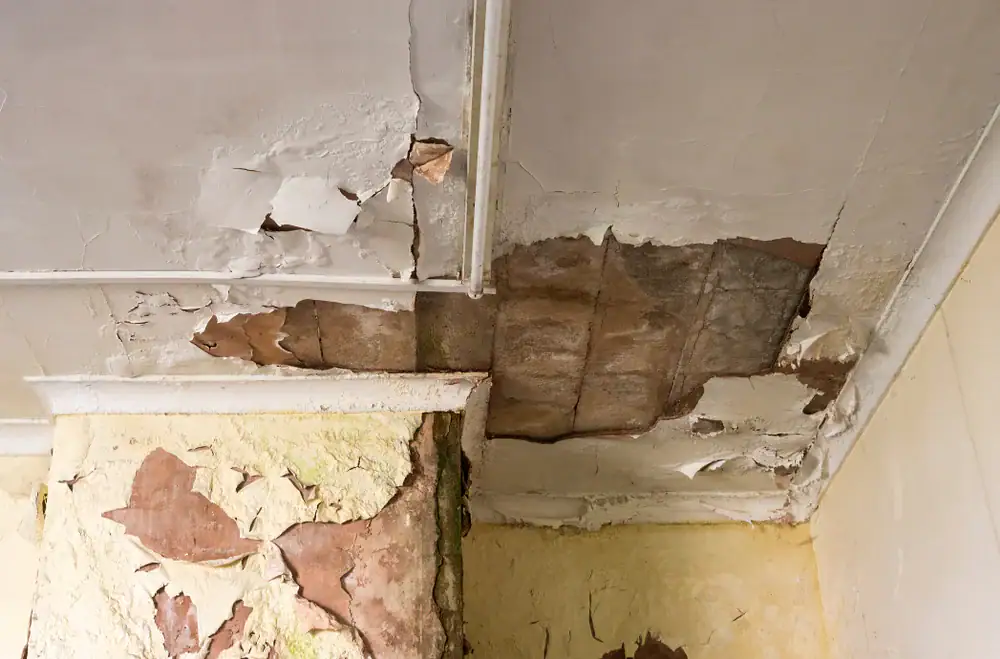
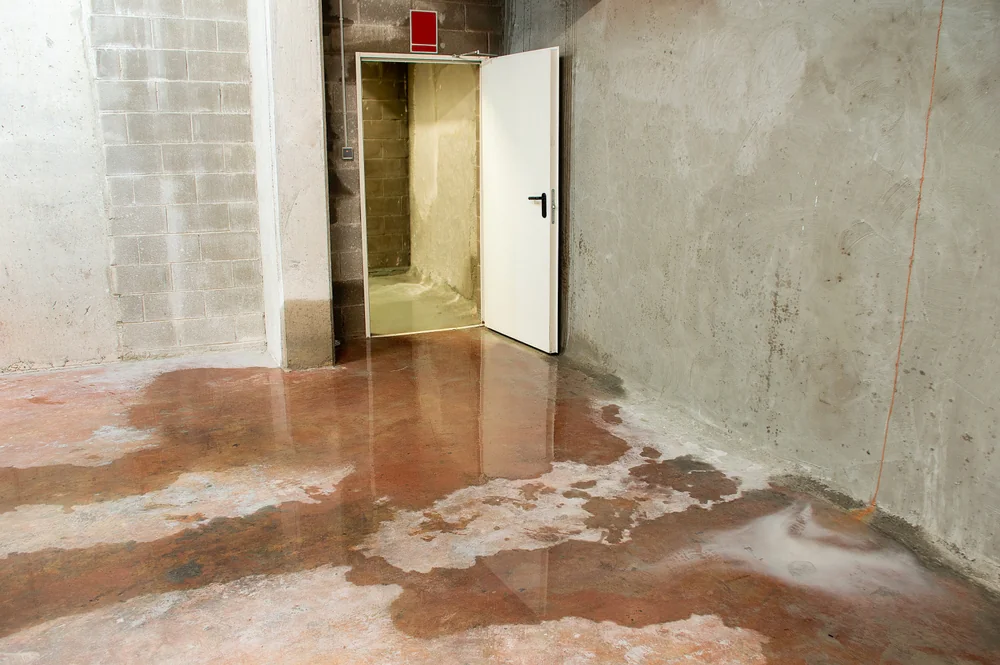
The difference between a contained mess and a $27,000 insurance claim often comes down to the first 24 hours. That’s when mold takes root, drywall starts crumbling, and your hardwood begins to buckle.
When you call us, you’re not just getting water pulled out of your carpet. You’re getting thermal imaging that finds moisture you can’t see, containment barriers that protect the rest of your house, and HEPA filtration that keeps spores out of your air. We document everything with photos and moisture maps within 24 hours—then update you every 48 hours until the job’s done.
Your insurance adjuster gets Xactimate-aligned pricing. You get a dedicated claims liaison who handles the paperwork. And your family gets to sleep knowing the water’s not quietly destroying your home while you wait.
Elite Clean Restoration started because central Indiana needed a water damage restoration company that actually answered the phone at 2 a.m.—and showed up when they said they would. We’re IICRC-certified in Water Damage Restoration (WRT), Applied Structural Drying (ASD), and Applied Microbial Remediation (AMRT). We’re BBB accredited. And we’ve built our reputation on being the crew that treats your emergency like it actually is one.
Home Place sits in a region where frozen pipes crack every January, spring storms flood basements every April, and aging infrastructure fails year-round. We know what a burst washing machine hose looks like at 11 p.m. on a Sunday. We know how fast sewage backs up during heavy rain. And we know exactly how to fix it without turning your life upside down for three weeks.
First, you talk to a real person—not a voicemail. We ask a few questions to understand what you’re dealing with, then dispatch a crew. Our goal is 60 to 90 minutes from your call to boots on your floor.
When we arrive, we assess the source and scope. Is it a supply line or a drain line? Is the water clean or contaminated? How far has it spread? We use thermal cameras and moisture meters to map everything, not just the obvious puddles.
Then we stop the spread. Containment barriers go up to protect dry areas. Water extraction starts immediately—truck-mounted pumps for heavy flooding, smaller extractors for carpet and pad. We pull baseboards if needed, drill weep holes in walls, and set commercial dehumidifiers and air movers.
You get a full report within 24 hours: photos, moisture readings, scope of work, and a timeline. Every 48 hours after that, we update you on progress. When drying’s complete, we do a final walkthrough with you, then follow up 14 days later to make sure nothing’s come back.
Ready to get started?
You’re not just paying for a guy with a wet vac. You’re getting a full mitigation and restoration protocol designed to prevent secondary damage—the kind that shows up three weeks later as mold or six months later as rotted framing.
We handle emergency water removal with truck-mounted extraction, structural drying with industrial dehumidifiers, moisture monitoring with daily readings, antimicrobial treatment where needed, contents pack-out if your belongings are at risk, and odor neutralization if the water wasn’t clean. If it’s a fire sprinkler discharge or a sewage backup, we adjust our approach. If your HVAC system pulled contaminated air, we clean the ducts.
Indiana’s climate makes this harder than it looks. Humidity swings between 30% in winter and 80% in summer. Freeze-thaw cycles crack foundations and burst pipes. Older homes in Home Place often lack vapor barriers in crawl spaces, which means water doesn’t just sit—it wicks into floor joists. We account for all of that because we’ve seen what happens when a crew from out of state doesn’t.
And if this is an insurance claim, we work directly with your adjuster. You shouldn’t have to translate between your policy and our invoice.
Our standard response time is 60 to 90 minutes from the moment you call. That’s not an estimate—it’s what we staff for. We run a live-answer phone line 24/7 because water doesn’t wait for business hours, and neither do we.
When you call, we ask a few quick questions to understand the situation, then immediately dispatch the nearest crew. If you’re in Home Place, we’re usually pulling into your driveway within an hour. If it’s a major storm event and multiple calls are coming in, we’ll tell you honestly where you are in the queue—but we don’t leave you guessing.
Speed matters because mold can start growing within 24 to 48 hours, and the longer water sits, the more it spreads. Drywall wicks moisture up the wall. Hardwood swells and cups. Subfloors delaminate. Every hour counts, and we treat it that way.
It depends on the source of the water. Most homeowners policies cover “sudden and accidental” water damage—like a burst pipe, a failed water heater, or a washing machine hose that blows. They typically don’t cover flooding from outside sources like heavy rain or river overflow unless you have separate flood insurance.
Here’s where it gets tricky: if the damage happened because of neglect or a maintenance issue you ignored, the insurer may deny the claim. That’s why documentation matters. We take photos, moisture readings, and detailed notes from the moment we arrive. We use Xactimate, the same estimating software your insurance adjuster uses, so our pricing aligns with what they expect to see.
We also assign you a dedicated claims liaison who walks you through the process, talks to your adjuster, and handles the paperwork. You’re not stuck translating between us and your insurance company. And if you’re not sure whether to file a claim, we’ll give you a transparent estimate so you can make that call yourself.
For a straightforward water damage cleanup—say, a broken supply line that flooded a bathroom and hallway—drying usually takes three to five days. For a finished basement with carpet, pad, and drywall soaked from a sump pump failure, you’re looking at five to seven days. Sewage backups or large-scale flooding can take longer.
The timeline depends on how much water entered, what materials got wet, and how long it sat before we arrived. Hardwood takes longer to dry than vinyl. Insulation holds moisture longer than drywall. And if we find hidden moisture inside wall cavities, we can’t call it done until the readings say it’s safe.
We don’t rush the process just to close the job. We monitor moisture levels daily and adjust equipment as needed. When everything hits the target dryness level, we do a final walkthrough with you, pull our equipment, and schedule a follow-up two weeks later to make sure nothing’s come back. You’ll know the timeline upfront, and we’ll update you every 48 hours so you’re never wondering where things stand.
Mitigation is the emergency response—stopping the water, extracting it, and drying out the structure so the damage doesn’t get worse. Restoration is the rebuild—replacing drywall, reinstalling baseboards, repainting, and putting your home back the way it was.
We handle both, but they’re billed separately because insurance companies split them into two claims phases. Mitigation happens first and fast. We’re usually on-site within 90 minutes, pulling water and setting drying equipment. That work continues until moisture readings confirm the structure is dry—usually three to seven days.
Once mitigation is complete and your adjuster has approved the scope, restoration begins. We remove damaged materials that can’t be saved, then rebuild. If your baseboards are warped, we replace them. If drywall wicked water up 18 inches, we cut it out and patch it. If your hardwood buckled, we pull the damaged planks and match the finish.
Some companies only do mitigation and hand you off to a general contractor for the rebuild. We do both, which means one point of contact, one timeline, and no gap where your house sits torn apart while you hunt for a contractor.
You can try, but here’s what usually happens: you rent a couple of box fans and a consumer-grade dehumidifier from the hardware store, run them for a few days, and assume you’re done because the carpet feels dry. Three weeks later, you smell mold. Two months later, your hardwood is cupping. Six months later, your insurance adjuster is telling you the claim is denied because you didn’t mitigate properly.
The problem isn’t effort—it’s equipment and knowledge. A box fan moves air. A commercial air mover creates a specific airflow pattern that pulls moisture out of materials at the right rate. A home dehumidifier pulls a few pints per day. Our units pull 30 to 50 pints per day and are staged strategically based on moisture maps.
We also know where water hides. It wicks up inside walls, soaks into subfloors, and pools in crawl spaces you can’t see. We use thermal imaging and moisture meters to find it, then track it daily until it’s gone. If you’re dealing with a small, surface-level spill—like a cup of water on tile—sure, towel it up. But if it’s anything more than that, the cost of doing it wrong almost always exceeds the cost of doing it right the first time.
Yes. Sewage backups, toilet overflows, and any water that’s been contaminated with waste or chemicals fall under what the industry calls Category 3 water—and they require a completely different protocol than a clean water leak.
When we respond to contaminated water, we treat it as a biohazard. That means full PPE, antimicrobial treatment, contained disposal of porous materials that can’t be saved, and HEPA filtration to keep airborne contaminants out of the rest of your house. We don’t just dry it—we disinfect it.
Sewage backups are more common in Home Place than most people realize, especially during heavy spring rains when the municipal system gets overwhelmed or in older homes with cast iron drain lines that have corroded. If it’s coming up through your basement floor drain or backing up into your shower, you need someone who’s trained in trauma and biohazard cleanup—not just water extraction. We hold IICRC certifications in both, and we follow EPA and OSHA guidelines for contaminated water. You shouldn’t have to guess whether your home is safe after something like that.
Other Services we provide in Home Place