Hear from Our Customers
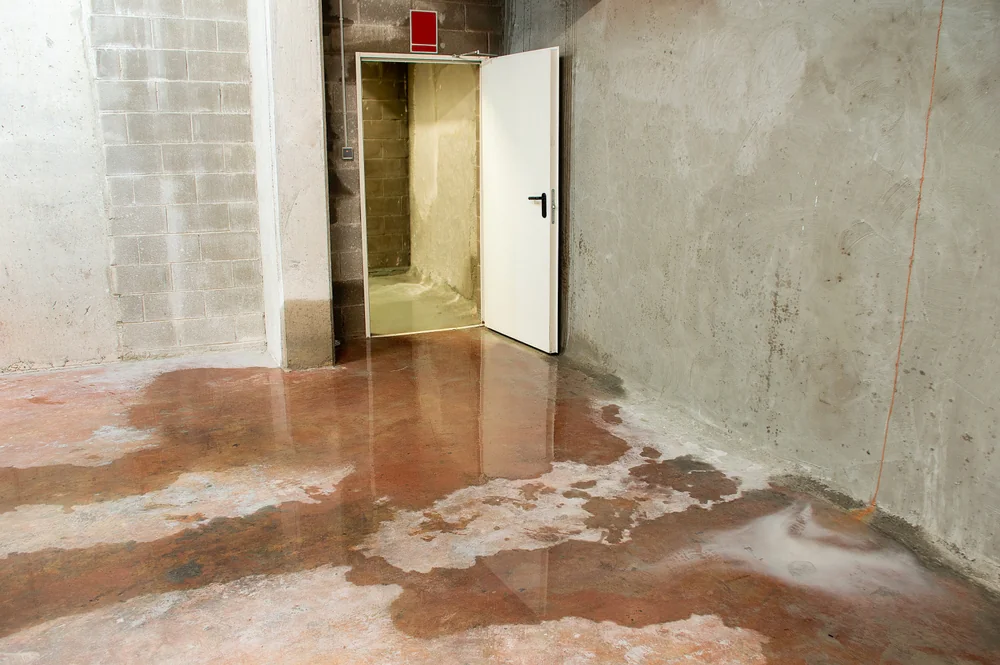
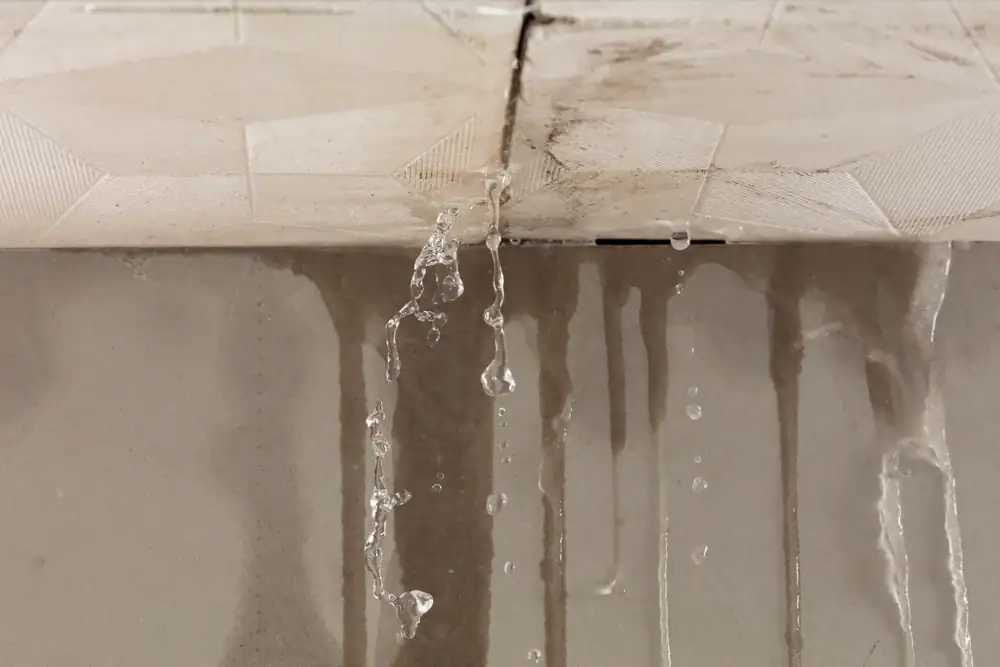
You’re not looking for a lecture on water damage. You need it gone before mold starts, before your floors buckle, and before your insurance adjuster shows up asking questions you can’t answer.
That’s where speed and documentation overlap. Our crews arrive in 60 to 90 minutes with commercial extractors, moisture meters, and a camera. We pull the water, map the damage, and photograph everything your insurance company will ask for—all within the first 24 hours.
The difference isn’t just how fast we show up. It’s what we do once we’re there. Containment barriers go up to protect dry areas. HEPA filters run to keep airborne contaminants out of your HVAC. Dehumidifiers start pulling moisture from walls and subfloors before mold gets a foothold. You get progress updates every 48 hours, not radio silence.
We’ve been handling water emergencies across Hopewell and the surrounding area since 2016. We’re IICRC-certified in Water Restoration, Applied Structural Drying, and Microbial Remediation—the credentials your insurance adjuster expects to see.
Hopewell’s older housing stock and Indiana’s freeze-thaw cycles create specific risks. Burst pipes in crawl spaces, ice dams on older rooflines, and spring storms that overwhelm gutters. We’ve seen it all, and we know how to dry it right the first time.
We’re BBB-accredited, and our pricing aligns with Xactimate—the same software your insurance company uses. That means fewer disputes, faster approvals, and less stress on your end.
You call our live-answer line. No voicemail, no “we’ll get back to you.” We dispatch a crew immediately, and they’re on-site within 60 to 90 minutes.
First step: stop the source if it’s safe to do so, then extract standing water with truck-mounted or portable equipment. Next, we map moisture levels in walls, floors, and ceilings using thermal imaging and pin meters. Every wet material gets documented with photos and notes.
Then comes containment. We seal off affected areas with plastic barriers and negative air machines to prevent cross-contamination. Dehumidifiers and air movers go to work pulling moisture out of structural materials. We monitor daily and adjust equipment as needed.
Within 24 hours, you receive a full report with photos, moisture readings, and a drying plan. Every 48 hours after that, you get an update—no guessing, no waiting. Once materials hit safe moisture levels, we remove equipment, sanitize surfaces, and walk you through the space. Fourteen days later, we follow up to make sure everything stayed dry.
Ready to get started?
You’re not just paying for extraction. You’re getting a full mitigation and documentation package designed to protect your property and your insurance claim.
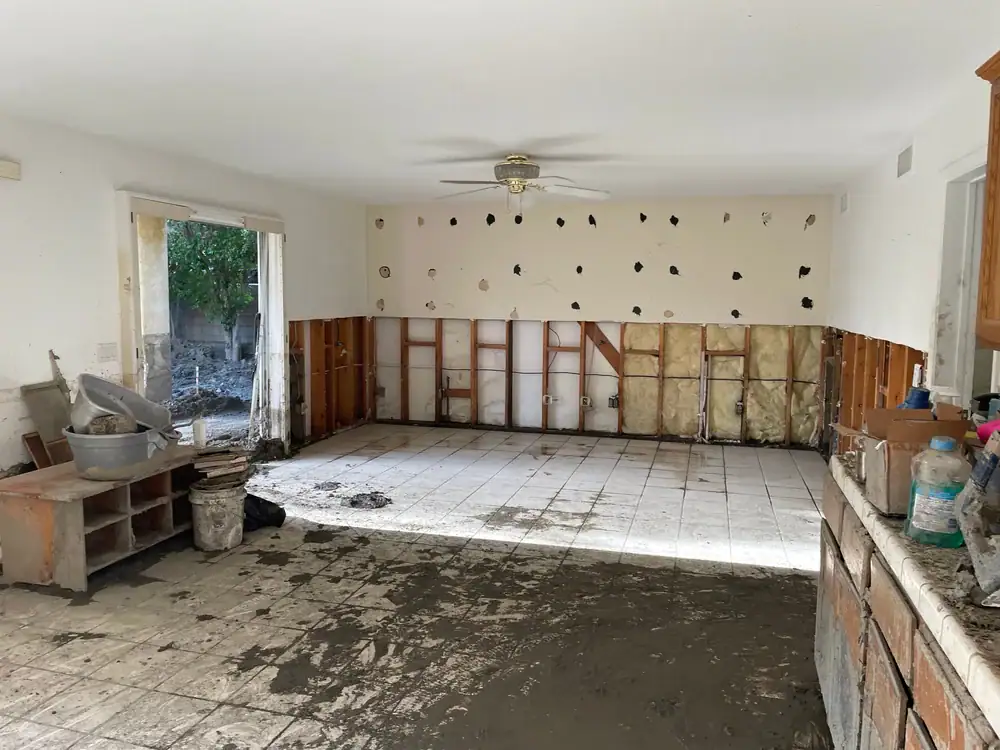
That includes emergency water removal with commercial-grade extractors, moisture mapping across all affected areas, thermal imaging to find hidden water pockets, and antimicrobial treatment on contaminated surfaces. We set up containment barriers and HEPA filtration to protect unaffected rooms. All demo work—pulling wet drywall, removing soaked insulation—is handled by our crew, not left for you to figure out.
Hopewell’s climate makes mold prevention critical. Humidity spikes in summer and freeze-thaw cycles in winter create perfect conditions for microbial growth. We treat every job with that in mind, running dehumidifiers until materials hit 15% moisture content or lower—the threshold where mold can’t establish.
If you’re filing an insurance claim, we provide a detailed estimate using Xactimate, the industry-standard software. Our claims liaison coordinates directly with your adjuster, so you’re not stuck playing middleman. For non-insurance jobs, we offer discounts for military members, seniors, first responders, and teachers.
We aim for 60 to 90 minutes from the time you call. Our dispatch line is answered live, 24/7—no voicemail, no callbacks.
Speed matters because mold can start colonizing within 24 to 48 hours of water exposure. The longer water sits, the deeper it soaks into drywall, insulation, and subfloors. That turns a mitigation job into a full reconstruction project.
When our crew arrives, they come equipped with extraction tools, moisture meters, and containment supplies. We don’t need to “assess and come back later.” We start pulling water immediately and set up drying equipment on the first visit.
It depends on the source of the water. Most homeowners policies cover sudden and accidental water damage—burst pipes, appliance malfunctions, roof leaks from storm damage. They typically don’t cover flooding from external sources like rivers or heavy rain unless you carry separate flood insurance.
We work with insurance companies daily, so we know what documentation they require. Our team photographs all damage, logs moisture readings, and provides a line-item estimate using Xactimate—the same pricing software your adjuster uses. That alignment reduces disputes and speeds up approvals.
If your claim gets denied or underpaid, we can provide additional documentation to support your case. For non-covered events, we offer transparent pricing and payment plans where applicable.
Mold prevention starts with speed and thoroughness. We extract standing water first, then use moisture meters and thermal imaging to find water you can’t see—inside walls, under flooring, in ceiling cavities.
Next, we set up industrial dehumidifiers and air movers to pull moisture out of structural materials. We don’t rely on surface drying. We monitor moisture levels daily and don’t remove equipment until materials hit 15% moisture content or lower—the threshold where mold spores can’t establish colonies.
If water came from a contaminated source—sewage backup, toilet overflow, outdoor flooding—we apply EPA-registered antimicrobial treatments to affected surfaces. We also run HEPA air scrubbers to capture airborne spores before they spread to clean areas. It’s not just about drying. It’s about creating an environment where mold can’t take hold.
Mitigation is the emergency response—stopping the damage from getting worse. That includes extracting water, drying out structural materials, removing unsalvageable items, and treating surfaces to prevent mold. The goal is stabilization.
Restoration is the rebuild—replacing drywall, repainting, installing new flooring, and returning your property to pre-loss condition. Some companies only do mitigation and refer you elsewhere for repairs. We handle both.
That continuity matters. When the same crew that dried your property also handles the rebuild, there’s no gap in accountability. We know exactly what materials were affected, how they were treated, and what needs replacement. You’re not explaining the situation to a second contractor or waiting for another estimate. One team, one timeline, one point of contact.
Drying usually takes three to five days for a standard water loss—one room, clean water source, minimal saturation. Larger losses or contaminated water can push that to seven to ten days.
The timeline depends on how much water entered the structure, what materials got wet, and how long it sat before we arrived. Hardwood floors take longer to dry than vinyl. Insulation holds moisture longer than drywall. Basements with poor ventilation dry slower than upper floors.
We don’t rush the process to hit an arbitrary deadline. We monitor moisture levels daily with calibrated meters and don’t pull equipment until readings confirm materials are dry. Pulling gear too early leads to secondary damage—warped floors, peeling paint, mold growth weeks later. Once drying is complete, reconstruction timelines vary based on scope, but most jobs finish within two to three weeks from start to final walkthrough.
First, stop the water source if it’s safe to do so. Shut off the main water line if a pipe burst, or turn off the supply valve to a leaking appliance. Don’t enter standing water if electrical outlets or appliances are submerged—call us first.
Move valuables and furniture out of the affected area if you can do so safely. Pull up area rugs and remove wet items sitting on hardwood or carpet. The less contact time between water and porous materials, the better.
Then call us. Don’t wait to “see if it dries on its own” or try handling it with a shop vac and fans. Water migrates into wall cavities, under flooring, and into insulation faster than you think. By the time you see visible damage, the hidden damage is usually worse. Our crew will handle extraction, drying, and documentation—you focus on getting back to normal.
Other Services we provide in Hopewell