Hear from Our Customers
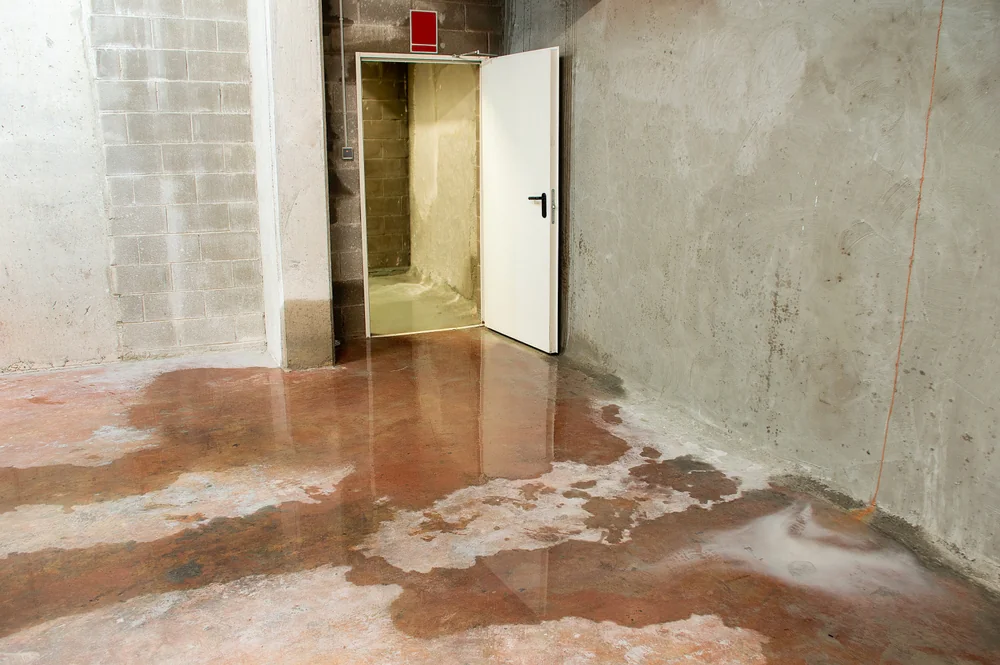
Water doesn’t wait, and neither do we. When a pipe bursts at 2 a.m. or your basement floods during spring storms, you need someone who answers the phone and shows up fast.
You get a live person every time you call. No voicemail, no answering service. Within 60 minutes, our team is on-site with industrial extractors, dehumidifiers, and moisture meters—not just to remove standing water, but to map every wet spot behind your walls and under your floors.
We document everything with photos and moisture readings within 24 hours, then send progress updates every 48 hours. Your insurance adjuster gets exactly what they need, and you get a claim that moves forward instead of getting stuck in paperwork. The difference is simple: your property dries correctly the first time, mold doesn’t get a chance to start, and you’re not paying out of pocket while waiting for reimbursement.
We’ve been handling water emergencies across Monterey Village and Central Indiana since 2016. We’re not a franchise with rotating crews—we’re IICRC-certified technicians who live here and understand what Indiana weather does to homes.
Monterey Village sits in a region where rainfall during the wettest days has jumped 35 percent since the mid-1990s. Freeze-thaw cycles crack foundations, spring storms overwhelm gutters, and older homes weren’t built for the kind of moisture we’re seeing now. We built our protocols around these exact risks.
We’re BBB A+ rated with over 300 five-star reviews. Every job gets the same process: containment to protect dry areas, HEPA filtration, moisture mapping, and a post-remediation walkthrough plus a 14-day follow-up to confirm everything stayed dry.
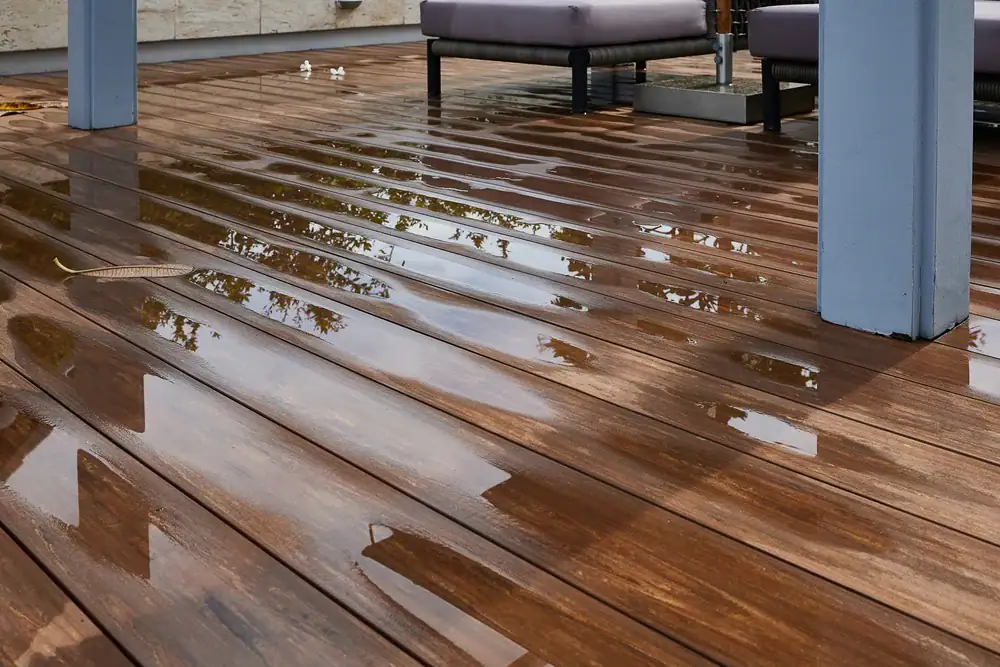
You call our 24/7 line and talk to a real person who takes your information and dispatches a crew immediately. We’re on-site within 60 to 90 minutes, even in the middle of the night.
First step is stopping the source if it’s safe to do so, then extracting standing water with truck-mounted pumps and portable extractors. We pull up soaked carpet padding, move furniture to dry ground, and set up containment barriers with plastic sheeting to keep moisture from spreading to unaffected rooms.
Next comes moisture mapping. We use thermal cameras and pin-type meters to find hidden water in walls, subfloors, and crawl spaces. Every reading gets logged and photographed. Then we place commercial dehumidifiers and air movers in a layout designed for your specific floor plan—not just random placement.
Within 24 hours, you receive a full report with photos, moisture maps, and our drying plan. Every 48 hours after that, we return to take new readings, rotate equipment, and send updated reports to you and your insurance company. Once moisture levels hit industry-standard dry readings, we remove equipment, do a final walkthrough, and follow up two weeks later to make sure nothing came back.
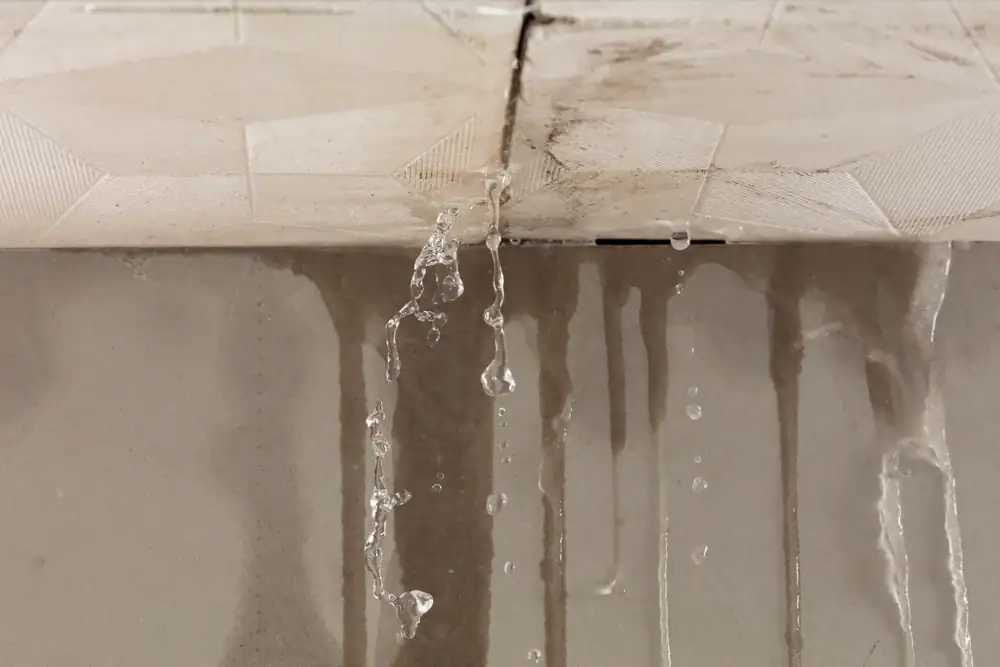
Ready to get started?
Every water damage restoration project includes emergency water extraction, moisture detection with thermal imaging, structural drying with commercial-grade dehumidifiers and air movers, and antimicrobial treatment to prevent mold growth. You also get complete photo documentation, moisture mapping, and progress reporting within 24 hours, followed by updates every 48 hours.
We handle contents pack-out and climate-controlled storage if your belongings need to be moved during drying. Crawl space drying is included when water seeps into below-grade areas. HEPA filtration runs throughout the process to keep airborne particles out of your living space, and we wear shoe covers and set up containment to protect rooms that aren’t affected.
Monterey Village homes face specific risks. Average annual precipitation in Central Indiana has increased 5.6 inches since 1895, and more of that rain falls in heavy bursts that overwhelm drainage systems. Combined sewer overflows during high rainfall events are becoming more common, and older housing stock wasn’t designed for this kind of water volume. We account for these factors in every drying plan—checking behind original plaster, testing subfloors in homes with pier-and-beam foundations, and monitoring humidity levels that climb fast in Indiana’s muggy summers.
Your insurance claim gets handled through our dedicated liaison who speaks Xactimate and knows what adjusters need to see. We invoice your insurance company directly so you’re not fronting thousands of dollars while waiting for reimbursement.
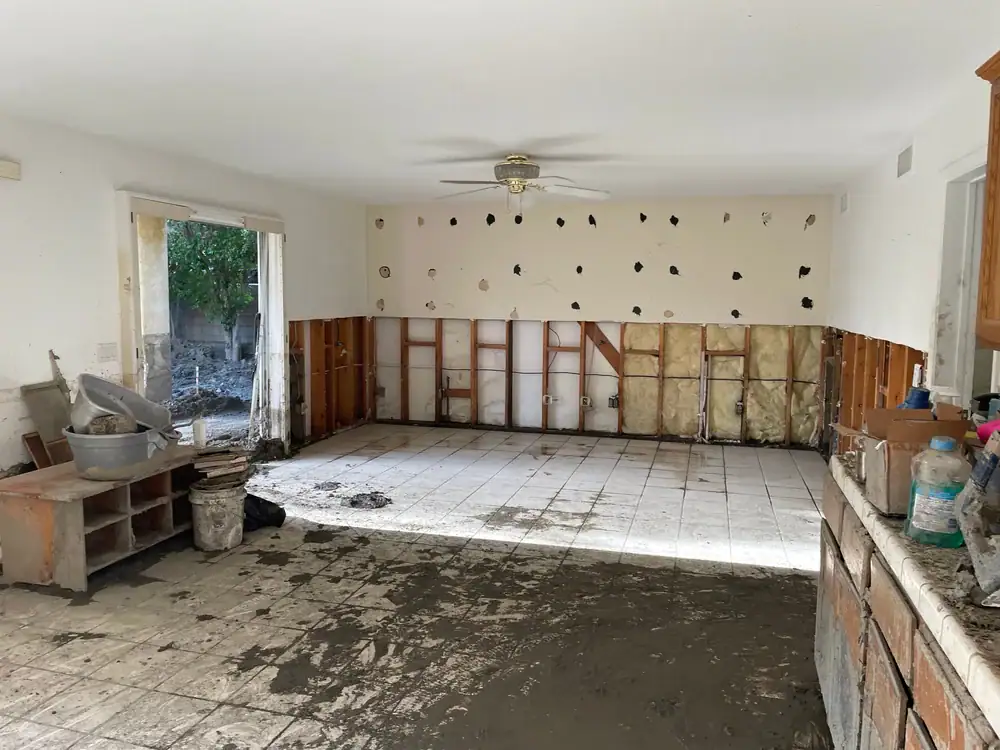
We’re on-site within 60 to 90 minutes after you call, 24 hours a day, seven days a week. That includes nights, weekends, and holidays.
Speed matters because water spreads fast. In the first 24 hours, moisture wicks up drywall, seeps into subfloors, and starts breaking down building materials. By hour 48, mold spores begin colonizing on damp surfaces. The longer water sits, the more expensive and invasive the restoration becomes.
Our live-answer phone line means you talk to a real person immediately—not a voicemail system or a call center that takes messages. That person dispatches a crew while you’re still on the phone. We keep trucks stocked with extraction equipment, moisture meters, and containment supplies so we don’t waste time running back to the shop. When we say 60 minutes, we mean wheels rolling to your address within 60 minutes, not a callback to schedule an appointment for tomorrow.
Most homeowners policies cover sudden and accidental water damage—burst pipes, appliance malfunctions, roof leaks from storm damage, and overflow from plumbing backups. They typically don’t cover gradual leaks that developed over time or flooding from external sources like rivers or heavy rain unless you carry separate flood insurance.
The key word is “sudden.” If a pipe froze and burst overnight, that’s usually covered. If a slow drip behind your water heater has been going on for months and you didn’t notice, insurers often deny that claim because they consider it a maintenance issue you should have caught.
We work directly with your insurance company to document everything they need: photos of the damage, moisture readings showing the extent of saturation, a detailed scope of work, and Xactimate-aligned pricing that adjusters recognize. Our claims liaison knows what triggers denials and how to present your claim so it moves forward instead of getting stuck in review. We also invoice your insurer directly on covered claims, so you’re not paying upfront and waiting months for reimbursement. If your policy doesn’t cover the damage, we offer discounts for military members, seniors, first responders, teachers, and new customers paying out of pocket.
Most residential water damage projects take three to five days to dry completely, but that depends on how much water entered your home, what materials got wet, and how long the water sat before we started extraction.
A small supply line leak affecting one bathroom might dry in 72 hours. A finished basement that took on three inches of water during a storm could need seven days or more, especially if water soaked into drywall, insulation, and carpet padding. Hardwood floors take longer to dry than tile. Plaster walls in older Monterey Village homes hold moisture differently than modern drywall.
We don’t guess. We take moisture readings with calibrated meters every day and compare them against industry-standard dry goals set by the IICRC. When materials hit those target levels and hold steady for 24 hours, we know the structure is dry. Pulling equipment too early leads to mold growth a week later. Leaving it too long wastes your time and runs up costs. We remove equipment only when the data confirms your home is actually dry—not when it looks dry or feels dry.
Cleanup means removing standing water and wet materials. Restoration means returning your property to pre-loss condition, which includes drying the structure, treating for microbial growth, repairing damaged materials, and confirming everything is safe to occupy.
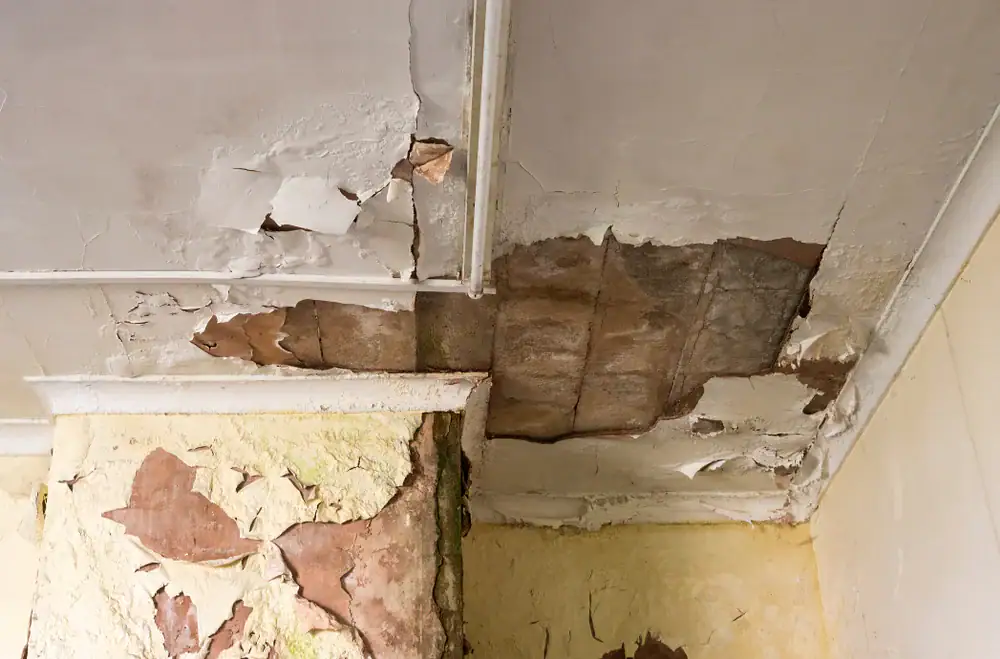
A lot of companies show up, extract water, set a few fans, and leave. That’s cleanup. It might stop the immediate problem, but it doesn’t address moisture trapped in wall cavities, under flooring, or inside insulation. Two weeks later, you smell mold or see stains spreading across your ceiling.
Full water damage restoration follows IICRC standards for applied structural drying. We map moisture with thermal cameras to find hidden saturation. We calculate the right number of dehumidifiers and air movers based on the volume of your space and the type of materials affected. We monitor drying progress with daily readings and adjust equipment placement as conditions change. Once everything hits dry readings, we apply antimicrobial treatment, remove any materials too damaged to save, and coordinate repairs with licensed contractors if needed.
You’re not just getting your property dried out—you’re getting it restored to a condition where you can live safely without worrying about mold, structural damage, or failed insurance claims because the job wasn’t documented correctly.
Most of the time, no. We set up containment barriers with plastic sheeting and run HEPA filtration to isolate the work area from the rest of your home, so you can stay in unaffected rooms while we dry the damaged areas.
If the water damage is extensive—like a whole-house flood or a sewage backup that contaminated living spaces—we’ll recommend temporary relocation until the structure is dry and treated. Safety comes first, especially if we’re dealing with Category 3 water, which contains harmful bacteria and requires full PPE and specialized cleaning.
For typical supply line leaks, appliance overflows, or localized storm damage, you can remain on-site. We wear shoe covers, keep noise to a minimum during reasonable hours, and explain what’s happening at each step. Our equipment runs 24/7 because stopping dehumidifiers at night slows the drying process and extends the timeline, but modern units are quieter than older models.
If you have health concerns—respiratory issues, immune system vulnerabilities, or young children—talk to us during the initial assessment. We’ll lay out your options and help you decide whether staying or leaving makes more sense for your situation.
Mold prevention starts with speed and thoroughness. We extract water immediately, dry materials to IICRC standards within 72 hours, and apply EPA-registered antimicrobial treatments to surfaces that got wet.
Mold spores are everywhere—they’re in the air right now. They only become a problem when they land on damp organic material like drywall, wood, or carpet and have 24 to 48 hours to colonize. If we remove the moisture before that window closes, mold doesn’t get a chance to grow.
Indiana’s humidity makes this harder. Monterey Village sits in a climate where outdoor humidity regularly hits 70 to 80 percent in summer, and indoor humidity climbs fast when water enters a structure. We don’t just dry the visible damage—we control the environment with commercial dehumidifiers that pull moisture out of the air and building materials simultaneously. Daily moisture readings tell us whether humidity levels are dropping or holding steady, and we adjust equipment until readings confirm everything is dry.
After drying, we apply antimicrobial treatment to affected surfaces as a safeguard. If materials like insulation or drywall stayed wet too long and show signs of microbial growth, we remove and dispose of them instead of trying to clean contaminated porous materials. Our AMRT certification means we’re trained in applied microbial remediation, not just water extraction. You’re getting a team that knows how to stop mold before it starts—and how to handle it correctly if it’s already there.
Other Services we provide in Monterey Village