Hear from Our Customers
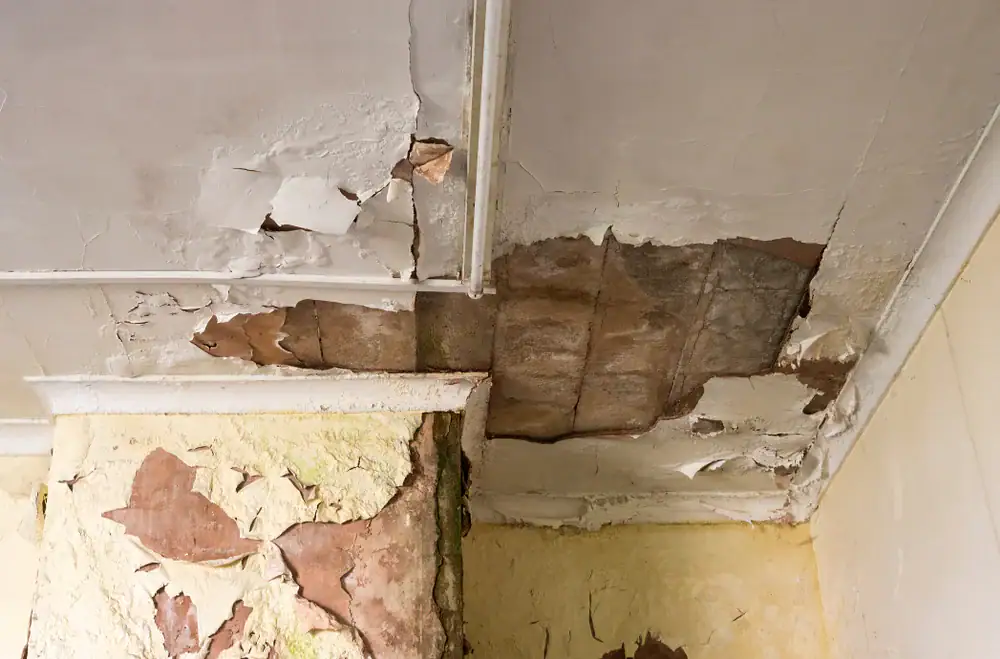
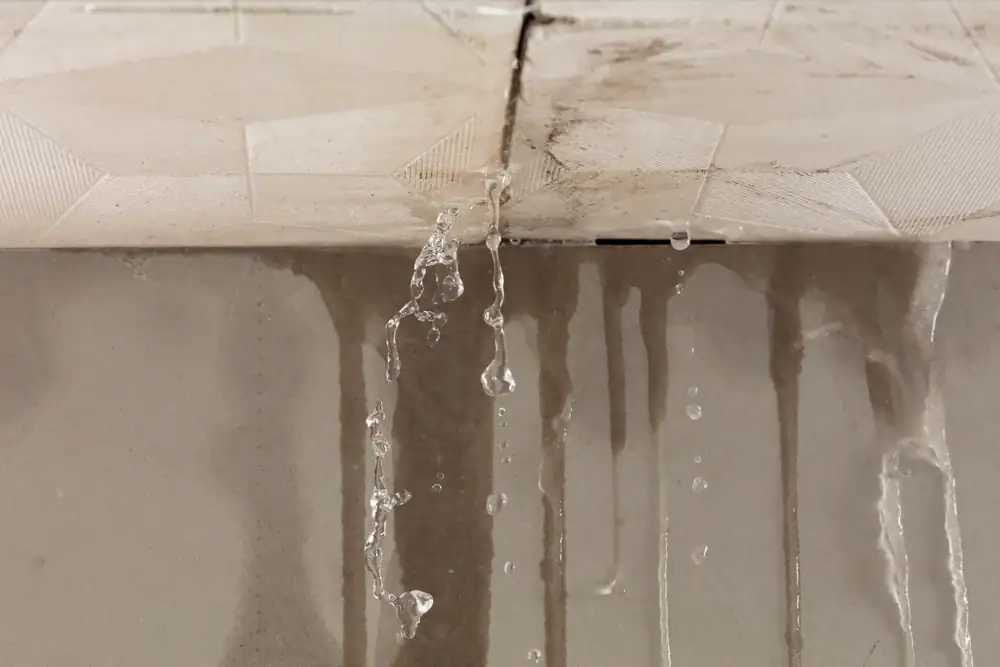
Every hour water sits in your home, the damage spreads. Drywall wicks moisture up the walls. Subfloors start to buckle. And within 24 to 48 hours, you’re looking at mold growth that turns a water problem into a health problem.
That’s why speed matters. Our crews are IICRC-certified in water damage restoration and applied structural drying, which means we know how to assess the situation, extract standing water, and set up commercial-grade drying equipment before secondary damage takes hold.
You get a moisture map within 24 hours showing exactly where water traveled and what’s affected. Then we update you every 48 hours with photos and readings so you’re never guessing what’s happening inside your walls. If you’re filing an insurance claim, we document everything and invoice your carrier directly using Xactimate pricing—the same software adjusters use—so there’s no back-and-forth over line items.
We’ve been handling water emergencies across New Britton, IN and surrounding areas since 2016. We’re not a franchise call center routing your emergency to the lowest bidder. When you call, you reach our live-answer line, and we dispatch a local crew that’s on the road in minutes.
Indiana’s freeze-thaw cycles, aging housing stock, and unpredictable storms create the perfect conditions for burst pipes, foundation seepage, and flash flooding. We’ve seen it all—sump pump failures in century-old basements, second-floor washing machine overflows, and storm surges that turn crawl spaces into swimming pools.
We’re BBB-accredited, IICRC-certified in water restoration and mold remediation, and we work directly with your insurance company so you can focus on your family, not paperwork. If it’s not an insurance job, we offer discounts for military, seniors, first responders, and teachers.
First, we answer the phone. No voicemail, no “leave a message and we’ll call you back.” You talk to a real person who asks the right questions and dispatches a crew immediately.
When we arrive—usually within 60 to 90 minutes—we assess the source, stop any active water flow if possible, and begin emergency water extraction. We’re wearing shoe covers and setting up containment barriers with HEPA filtration to protect the rest of your home. Then we place air movers, dehumidifiers, and moisture sensors in strategic locations based on how water moves through building materials.
Within 24 hours, you’ll receive a detailed moisture map, photos, and a drying plan. Every 48 hours after that, we document progress with updated readings and images. Once everything hits safe moisture levels, we do a post-remediation walkthrough with you and follow up again in 14 days to confirm nothing’s come back. If mold or structural repairs are needed, we handle that too—no need to coordinate multiple contractors.
Ready to get started?
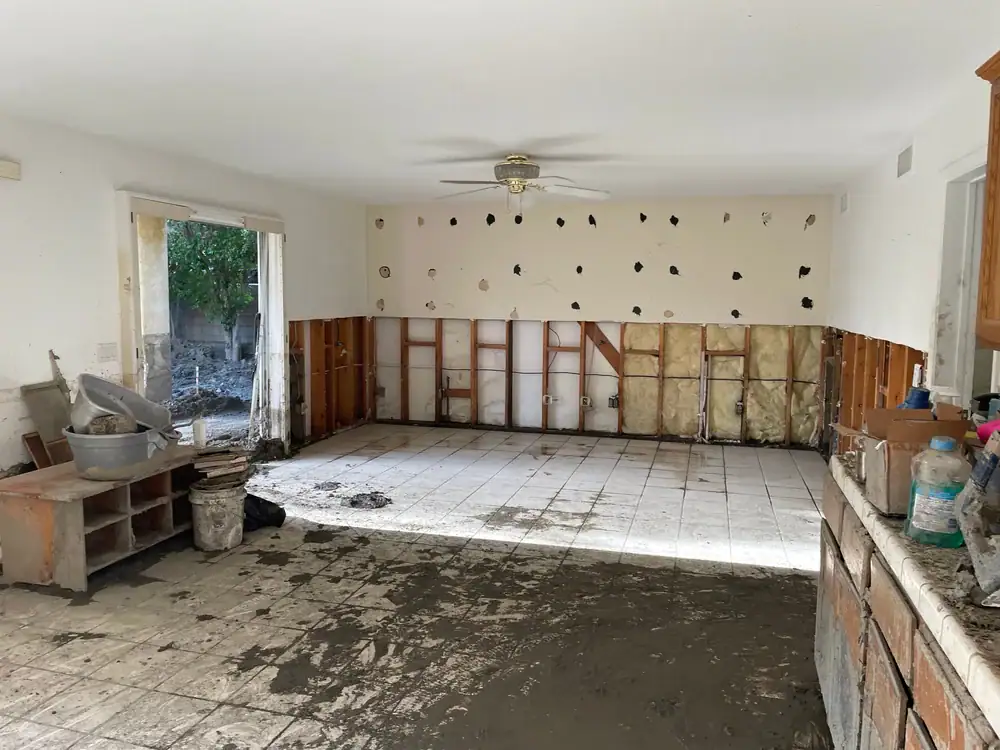
Our water damage restoration service covers the full scope of what it takes to bring your property back to dry, safe conditions. That includes emergency water extraction using truck-mounted and portable pumps, thermal imaging to find hidden moisture pockets, controlled demolition of unsalvageable materials like soaked drywall or insulation, and commercial drying equipment running 24/7 until moisture levels drop below 15%.
We also handle contents pack-out and climate-controlled storage if furniture or belongings need to be moved during drying. If the water came from a contaminated source—like a sewer backup or outdoor flooding—we follow Category 2 or Category 3 protocols with antimicrobial treatment and proper disposal. And because Indiana sees more than 100 flood events a year and older homes in New Britton often lack modern vapor barriers, we’re used to dealing with basements that flood repeatedly and crawl spaces that stay damp for weeks.
You’re not just getting water removal. You’re getting a full mitigation plan that prevents mold, preserves structural integrity, and gives your insurance company exactly what they need to process your claim without delays.
We’re typically on-site within 60 to 90 minutes of your call, and we’re available 24 hours a day, seven days a week. That includes nights, weekends, and holidays.
Speed matters because water doesn’t wait. The longer it sits, the more it spreads—into subflooring, up walls, under cabinets. Within the first 24 hours, porous materials start breaking down. By 48 hours, mold spores can begin colonizing. Our goal is to get extraction equipment running and stop the clock on secondary damage before it starts.
When you call, you’ll speak with someone immediately—not a voicemail system. We’ll ask a few questions about the source and severity, then dispatch the nearest crew. Most of our service area in and around New Britton, IN is within a 90-minute response window, and we’ve built our operations around that promise.
It depends on the source of the water. Most homeowners policies cover “sudden and accidental” water damage—like a burst pipe, a leaking water heater, or an appliance malfunction. They typically don’t cover flooding from outside sources like rivers, heavy rain, or storm surge unless you carry separate flood insurance.
That’s why documentation matters. We take detailed photos, create moisture maps, and write up a scope of work using Xactimate, which is the same estimating software your insurance adjuster uses. That alignment makes approvals faster and reduces disputes over pricing.
We also invoice your insurance company directly if your claim is approved, so you’re not fronting thousands of dollars out of pocket. And if your policy includes an “additional living expenses” provision and your home is uninhabitable during drying, we’ll help document that too. One in 60 homes files a water damage claim every year in the U.S., and we’ve walked hundreds of clients through the process.
Most residential water damage jobs take three to five days to reach safe moisture levels, but it depends on how much water entered, what materials were affected, and how quickly we started drying.
Hardwood floors and drywall dry slower than tile or concrete. A basement with standing water takes longer than a second-floor bathroom leak. And if water got into wall cavities or under flooring, we may need to remove baseboards or drill small weep holes to get airflow where it’s needed.
We don’t guess. We use moisture meters and thermal imaging to track progress, and we don’t pull equipment until readings confirm everything is below 15% moisture content—the threshold where mold and rot risk drops significantly. You’ll get progress updates every 48 hours with photos and data, so you’ll know exactly where things stand. Rushing the process just means problems later, and we’d rather do it right the first time.
Water damage restoration focuses on removing water, drying out the structure, and preventing further damage. Mold remediation is what happens if water sat too long and mold started growing—or if there was already a moisture problem before the water event.
If we catch the water damage within 24 to 48 hours and dry everything properly, mold usually isn’t an issue. But if the water’s been sitting for days, or if it came from a contaminated source like a sewer backup, mold remediation becomes necessary. That means containment, HEPA air scrubbing, removal of affected materials, antimicrobial treatment, and post-remediation testing.
We’re IICRC-certified in both water restoration and mold remediation, so if we find mold during the drying process, we can handle it without bringing in another contractor. Indiana’s humidity levels—especially in summer—make mold growth more likely, so we treat every job with that risk in mind. Better to over-dry and over-document than to close up a wall and hope for the best.
Yes. We work with every major insurance carrier and most regional providers. We’re familiar with their documentation requirements, their preferred pricing formats, and how their claims processes work.
When you file a water damage claim, your insurer will either send an adjuster to assess the damage or ask you to provide estimates. We handle both scenarios. If an adjuster is coming, we’ll meet them on-site and walk through the damage together. If they want an estimate first, we’ll write one up in Xactimate with line-item pricing that matches their system.
We also offer direct billing, which means once your claim is approved, we invoice the insurance company and you only pay your deductible. That keeps you from having to front the full cost and wait for reimbursement. And if there’s a dispute over scope or pricing, we’ll work with the adjuster to resolve it—we’ve done this enough times to know what’s reasonable and what’s not. Our job is to restore your property and make the insurance piece as painless as possible.
Yes, but recurring flooding usually means there’s an underlying issue that emergency water extraction alone won’t fix. We can absolutely dry out your basement and restore the damage, but we’ll also help you identify why it keeps happening.
Common causes in New Britton, IN include failed sump pumps, clogged or undersized discharge lines, foundation cracks, poor grading around the home, or overwhelmed storm drains during heavy rain. Indiana saw 103 flood-related events in 2021 alone, and older homes in this area often lack modern drainage systems or waterproofing.
After we handle the immediate water damage, we can recommend solutions—whether that’s sump pump replacement, crawl space encapsulation, exterior drainage improvements, or foundation sealing. We also offer follow-up inspections and can coordinate with waterproofing specialists if needed. The goal isn’t just to clean up the current mess—it’s to help you avoid the next one.
Other Services we provide in New Britton