Hear from Our Customers
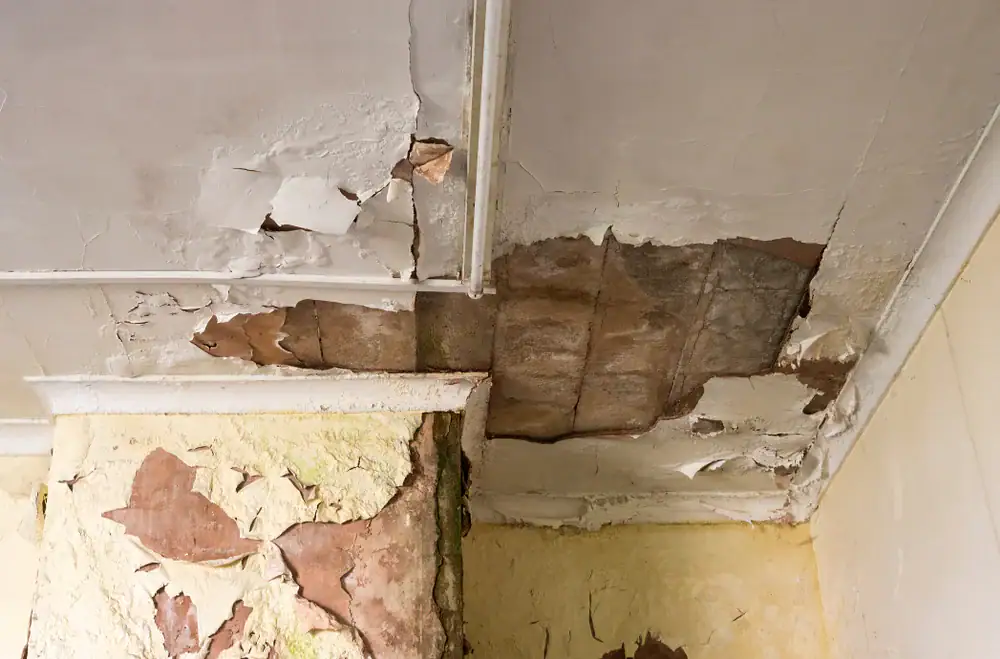
You’re not just paying for water removal. You’re buying time back and cutting off the cascade of problems that follow when water sits too long.
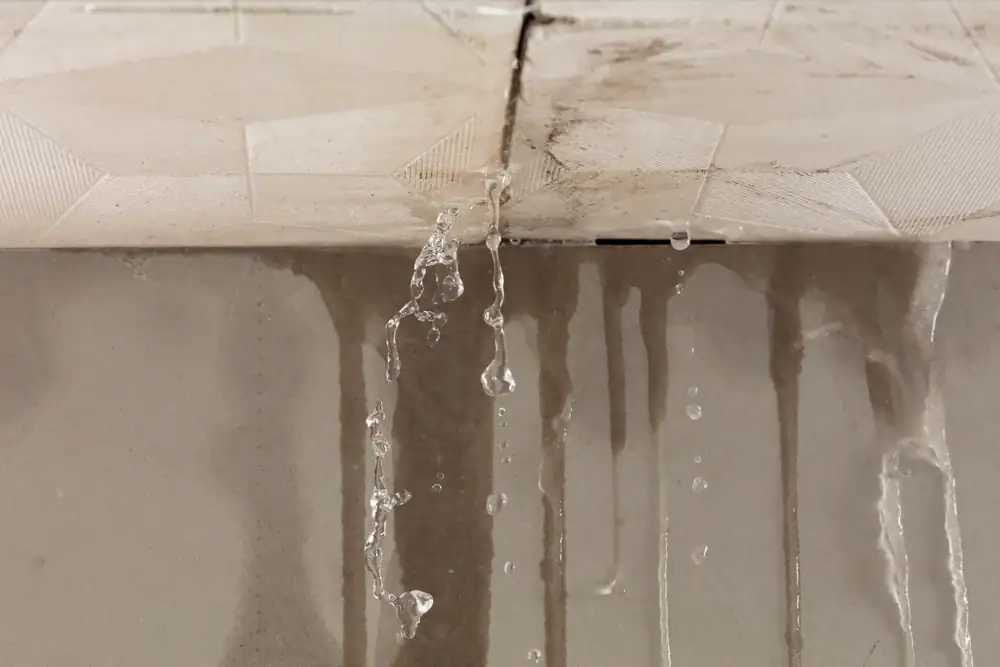
Every hour water soaks into subflooring, drywall, and insulation adds cost and risk. Mold starts colonizing in 24-48 hours. Structural wood weakens. Electrical systems corrode. Your insurance adjuster starts questioning whether the damage was addressed promptly.
Our water damage restoration process stops that clock. We extract standing water, map moisture levels room by room, set up industrial dehumidifiers and air movers, then monitor daily until your property hits safe dryness levels. You get photo documentation within 24 hours and progress updates every 48 hours after that. When your adjuster asks for proof of mitigation, you’ll have a file that shows exactly what was done and when.
We’ve been handling water damage restoration in Newark Village, IN and surrounding central Indiana communities for over eight years. That means we’ve seen what happens when basements flood during spring thaw, when supply lines freeze and burst in January, and when summer storms overwhelm older drainage systems.
Our technicians hold IICRC certifications in Water Restoration (WRT), Applied Structural Drying (ASD), and Applied Microbial Remediation (AMRT). We’re BBB-accredited and maintain EPA RRP compliance where applicable. More importantly, we answer our phone 24/7 with a real person, not a voicemail system, and we’re typically on-site within 60-90 minutes of your call.
Indiana’s climate creates specific challenges. Wetter winters and springs mean more flooding risk. Freeze-thaw cycles stress plumbing. High humidity slows drying. We’ve built our protocols around those realities, not some generic playbook.
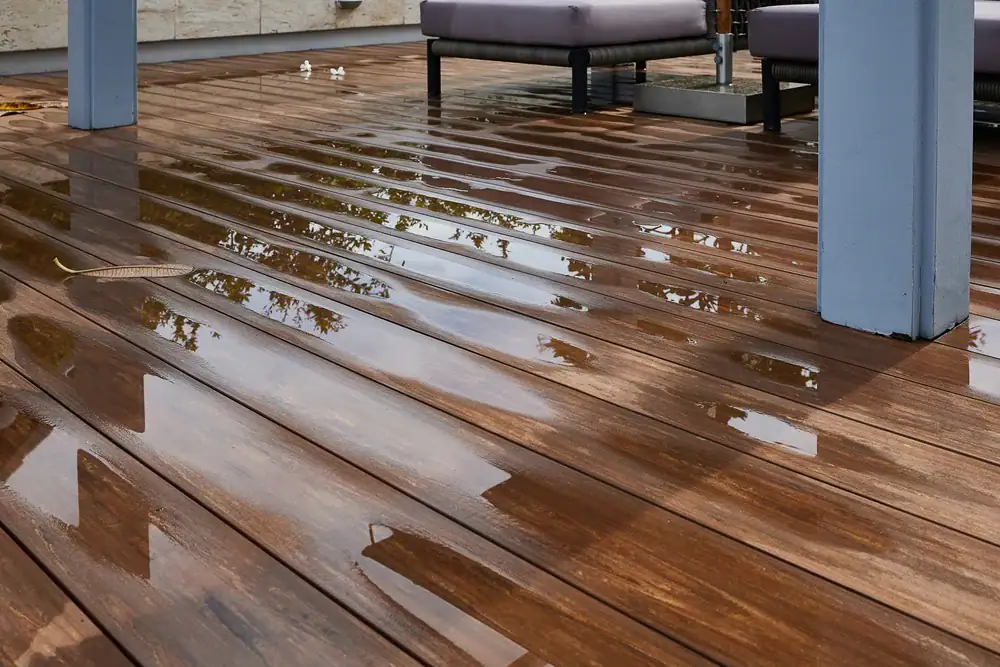
You call our 24/7 line and speak with someone who understands water damage emergencies. We ask targeted questions about the source, affected areas, and any immediate safety concerns. Then we dispatch a crew with a 60-90 minute ETA.
When we arrive, we assess the damage, identify the water category (clean, gray, or black), and map moisture levels with thermal imaging and pin meters. We stop the source if it’s still active, extract standing water, remove unsalvageable materials, and set up containment barriers to protect unaffected rooms. Dehumidifiers, air movers, and HEPA filtration go in immediately.
Within 24 hours, you receive photo documentation and a moisture map showing baseline readings. Every 48 hours after that, we return to take new readings, adjust equipment, and send you updated reports. This documentation is critical for your insurance claim and shows the adjuster that mitigation was prompt and thorough.
Once your property reaches safe dryness levels, we perform antimicrobial treatment where needed, conduct a post-remediation walkthrough with you, and follow up 14 days later to confirm no secondary issues have developed. If reconstruction is needed, we handle that too so you’re not coordinating multiple contractors.
Ready to get started?
Our water damage cleanup covers everything from emergency extraction through final repairs. That includes 24/7 emergency response, water extraction and removal, moisture mapping with thermal imaging, structural drying with commercial dehumidifiers and air movers, antimicrobial treatment, contents pack-out and storage if needed, odor neutralization, and full reconstruction services.
Newark Village, IN and the surrounding central Indiana area face increasing water damage risks. Climate data shows Indiana is experiencing wetter winters and springs, leading to higher streamflow in rivers and greater flooding risk. Older housing stock in the region often has aging plumbing and insufficient drainage systems. When you combine those factors with the fact that about 1.6% of insured homes file water damage claims every year, it’s clear this isn’t a rare problem.
We also provide direct insurance billing and claims liaison services. Our estimates align with Xactimate pricing, which is what most adjusters use, so there’s no sticker shock or disputes over line items. We’ll document everything your carrier needs to see and communicate directly with your adjuster if you prefer. For non-insurance jobs, we offer discounts for Military, Seniors, First Responders, Teachers, and new customers.
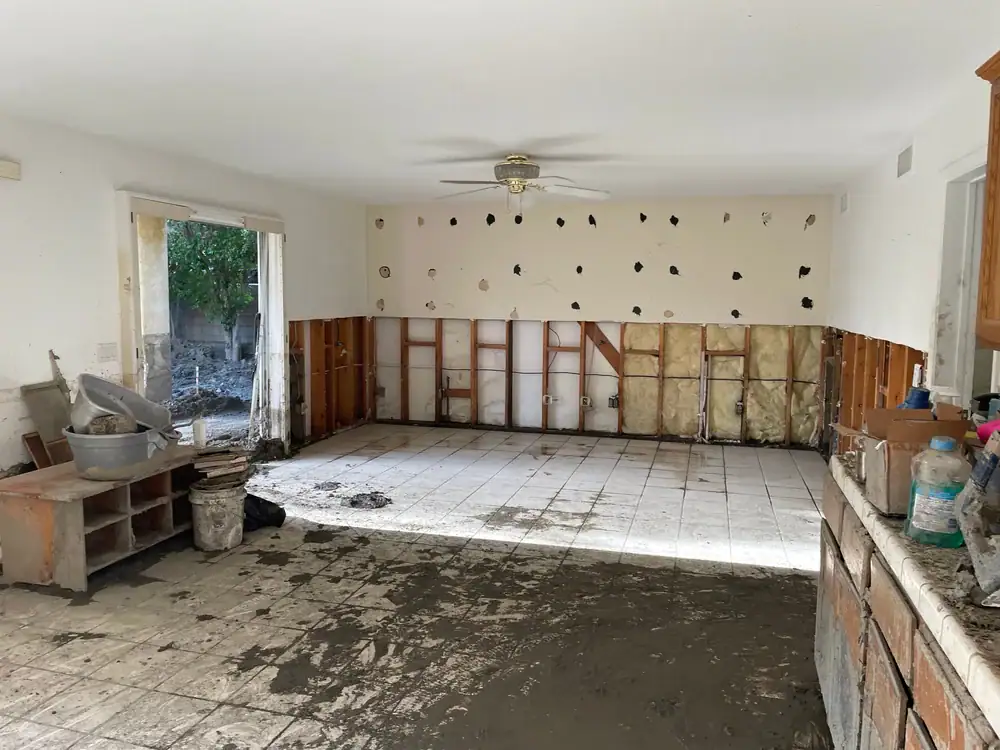
Mold can begin colonizing within 24 to 48 hours after water exposure, especially in Indiana’s humid climate. That’s not a scare tactic—it’s biology. Mold spores are everywhere, and they just need moisture, oxygen, and an organic food source like drywall or wood to start growing.
The timeline depends on several factors: water category, temperature, humidity levels, and how porous the affected materials are. Drywall and insulation wick up water and stay damp longer than tile or concrete. Warmer temperatures accelerate growth. If your HVAC system is circulating air through wet areas, it can spread spores to unaffected rooms.
This is why emergency water removal matters. The faster you extract standing water and start the drying process, the smaller your window for mold growth. Our crews set up dehumidifiers and air movers immediately, then monitor moisture levels daily until your property hits safe thresholds. If mold has already started, we’re also IICRC-certified in Applied Microbial Remediation and can handle that under the same project.
It depends on the source of the water and how your policy is written. Most homeowners insurance covers sudden and accidental water damage—like a burst pipe, appliance malfunction, or roof leak during a storm. What it typically doesn’t cover is gradual damage from long-term leaks, lack of maintenance, or flooding from external sources like rivers or heavy rain (that requires separate flood insurance).
The average water damage claim in the U.S. is around $15,400, and about one in every 67 insured homeowners files a claim each year. Insurance companies want to see that you mitigated the damage promptly. If you wait several days to start the drying process, they may argue that mold or structural damage was preventable and deny part of your claim.
We work directly with insurance carriers and provide documentation that satisfies their requirements: photos, moisture maps, daily logs, and Xactimate-aligned estimates. We can also bill your insurance company directly if your policy allows it. If you’re unsure whether your damage is covered, call us anyway. We’ll walk you through what your adjuster will likely ask for and help you avoid common claim mistakes.
Drying typically takes three to five days for most residential water damage, but it varies based on the extent of the damage, the materials affected, and environmental conditions. A small bathroom with standing water on tile might dry in two days. A finished basement with soaked carpet, drywall, and insulation could take a week or more.
We don’t guess. We use moisture meters and thermal imaging to track progress and pull equipment only when readings confirm your property has reached safe dryness levels. Rushing this step to save a day or two often leads to hidden moisture pockets, which then cause mold growth or odor problems weeks later.
After drying is complete, reconstruction time depends on what needs to be rebuilt. Replacing a section of drywall and baseboards might take a day. Rebuilding an entire basement with new subflooring, insulation, drywall, and finishes could take two to three weeks. Because we handle both mitigation and reconstruction in-house, there’s no gap where your project sits idle waiting for another contractor to start.
Water damage is classified into three categories based on contamination level, and it directly affects how we handle cleanup and what materials can be saved. Category 1 is clean water from a sanitary source like a supply line or rainwater. Category 2 is gray water that contains some contaminants—think washing machine overflow or toilet bowl water without feces. Category 3 is black water, which is highly contaminated and comes from sewage backups, flooding from rivers, or any water that’s been sitting long enough to support bacterial growth.
Category matters because it determines safety protocols and what gets discarded. With Category 1 water, we can often dry and save carpet, drywall, and insulation if we act fast. With Category 3 water, porous materials like carpet pad, drywall, and insulation almost always get removed and disposed of due to contamination risk. Gray water falls somewhere in between depending on how long it’s been sitting.
Insurance companies also care about category because it affects claim amounts. Black water damage costs more to remediate and requires more disposal and replacement. When we assess your damage, we’ll identify the category, explain what it means for your project, and document it for your adjuster.
You can try, but you’ll likely end up with hidden moisture, mold growth, and a bigger repair bill later. Box fans and household dehumidifiers move some air, but they don’t generate the air changes per hour or the dehumidification capacity needed to dry structural materials like subflooring, wall cavities, and insulation.
Water wicks into porous materials and gets trapped. You might dry the surface of your drywall in a few days, but moisture is still sitting behind it in the insulation and studs. Without thermal imaging and moisture meters, you have no way to know when drying is actually complete. Most homeowners stop too early because the visible water is gone, then discover mold three weeks later when they smell it or see discoloration.
Professional equipment makes a measurable difference. Our commercial dehumidifiers pull 10-20 times more moisture out of the air than a residential unit. Our air movers create focused, high-velocity airflow that penetrates materials and speeds evaporation. We also set up containment barriers so we’re drying the affected area efficiently, not trying to dehumidify your entire house. The cost of professional water damage restoration is almost always less than the cost of tearing out mold-contaminated materials later and dealing with a denied insurance claim because mitigation wasn’t prompt.
Yes. We work with insurance carriers daily and can handle most of the claims process for you if you want us to. That includes documenting the damage with photos and moisture maps, writing estimates in Xactimate (the software most adjusters use), communicating directly with your adjuster, and billing your insurance company once the work is approved.
Here’s what that looks like in practice: After we assess the damage, we send you a detailed scope of work and estimate within 24 hours. You forward that to your insurance company or we can send it directly to your adjuster. The adjuster reviews it, may ask for clarification or request a site visit, then issues approval. We start work as soon as you give us the go-ahead, and we bill the carrier directly if your policy allows assignment of benefits. You’re responsible for your deductible and any non-covered items, but we’ll explain those upfront so there are no surprises.
If your claim gets pushback or the adjuster’s estimate comes in lower than ours, we’ll walk through the discrepancies and provide additional documentation to support our scope. We’ve been doing this since 2016, so we know what carriers expect to see and how to present information in a way that moves claims forward rather than stalling them.
Other Services we provide in Newark Village