Hear from Our Customers
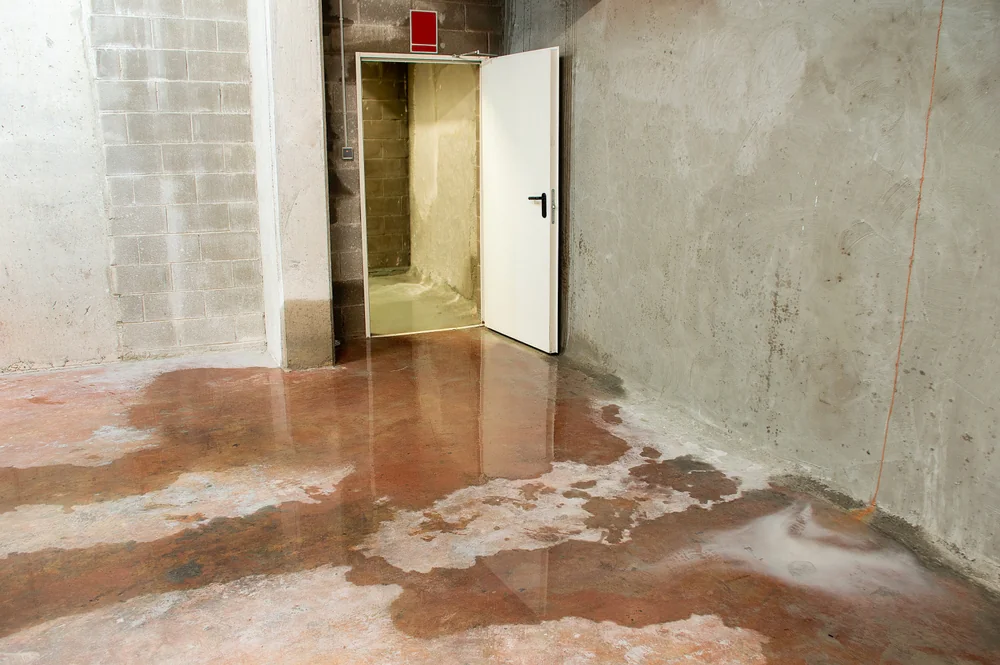
You get a live person who answers immediately, not a voicemail. Within 60 to 90 minutes, an IICRC-certified team arrives at your door with industrial extraction equipment, moisture meters, and thermal imaging cameras.
The water gets pulled out fast. Affected areas get contained so the rest of your property stays dry. Air movers and dehumidifiers go to work, and you receive full photo documentation within 24 hours—the kind your insurance adjuster actually needs.
Every 48 hours after that, you get an update. No guessing. No waiting around wondering if mold is growing behind your walls. You know exactly where things stand, what’s drying, and when you’ll be back to normal.
The goal isn’t just to dry your property. It’s to prevent secondary damage, protect your belongings, and give you one less thing to worry about during a situation that’s already stressful enough.
We’ve been handling water damage restoration across Central Indiana for over eight years. We’re IICRC-certified, BBB-accredited, and we work directly with your insurance carrier to make the claims process as smooth as possible.
North Ridge Village properties face the same risks as the rest of Indiana—frozen pipes in January, basement flooding during spring storms, and aging plumbing that gives out without warning. We’ve seen it all, and we know how to handle it quickly.
You’re not getting a national franchise with a rotating crew. You’re getting a local team that shows up in shoe covers, sets up containment barriers, and treats your property like it matters—because it does.
First, we answer the phone. No automated system, no callback queue. You talk to a real person who logs your emergency and dispatches a crew immediately.
When we arrive, usually within 60 to 90 minutes, we assess the damage using moisture meters and thermal imaging to find hidden water you can’t see. Then we start extraction—pulling standing water out with truck-mounted vacuums and portable pumps.
Next comes containment. We seal off affected areas with plastic barriers and set up HEPA filtration to keep airborne moisture and contaminants from spreading. Air movers and commercial dehumidifiers get placed strategically based on moisture readings, not guesswork.
Within 24 hours, you receive a full report with photos, moisture maps, and equipment logs. Every 48 hours after that, we update you on drying progress. Most residential jobs take three to five days to dry completely, but we monitor until readings confirm it’s safe to rebuild.
Once drying is complete, we do a final walkthrough with you and schedule a follow-up visit 14 days later to make sure nothing was missed.
Ready to get started?
You get emergency water extraction, structural drying, moisture monitoring, and full documentation for your insurance claim. We also handle contents pack-out if your belongings need to be moved and stored during the drying process.
If the water came from a contaminated source—like a sewer backup or outdoor flooding—we follow IICRC Category 2 or Category 3 protocols, which include antimicrobial treatment and safe disposal of non-salvageable materials.
Indiana’s climate makes mold growth a real risk. Humidity spikes in summer and temperature swings in spring create perfect conditions for spores to take hold within 24 to 48 hours. That’s why we use commercial dehumidifiers and monitor moisture levels daily until your property is completely dry.
We also coordinate directly with your insurance company. Our estimates align with Xactimate pricing, the same software adjusters use, so there’s no back-and-forth over line items. You get a dedicated claims liaison who handles the paperwork and keeps your adjuster in the loop from start to finish.
We typically arrive within 60 to 90 minutes of your call. Water damage doesn’t wait, and neither do we.
Our crews are on standby around the clock, and we dispatch the closest available team as soon as you hang up. If you call at 2 a.m. on a Sunday, someone answers and someone shows up.
The faster we start extraction and drying, the less damage spreads. That means lower repair costs, less risk of mold, and a better chance of saving your flooring, drywall, and belongings.
Most homeowner policies cover sudden and accidental water damage—like a burst pipe, appliance failure, or storm-related flooding. They typically don’t cover gradual leaks or lack of maintenance.
We work with your insurance company directly. Our pricing follows Xactimate standards, which is the same software your adjuster uses, so estimates match up without surprises.
We also provide all the documentation your carrier needs: photos, moisture logs, equipment placement records, and daily progress notes. You’re not left scrambling to prove the damage or justify the work. We handle that part so you can focus on getting back to normal.
Most residential water damage jobs take three to five days to dry completely, but it depends on how much water got in, what materials were affected, and how long it sat before we started.
Hardwood floors and drywall hold moisture longer than tile or concrete. A basement flood is different from a second-floor bathroom leak. We don’t guess—we use moisture meters to track drying progress and pull equipment only when readings confirm it’s safe.
You’ll get updates every 48 hours so you know exactly where things stand. If drying takes longer than expected, we explain why and adjust the plan. Rushing the process just leads to mold growth later, and nobody wants that.
Water damage cleanup means extracting standing water, drying out the structure, and preventing mold. Restoration means rebuilding—replacing drywall, repainting, installing new flooring, and putting everything back the way it was.
We handle the cleanup and drying phase. Once your property is completely dry and we’ve completed the final walkthrough, you can hire a contractor for reconstruction, or we can refer you to someone we trust.
Some companies do both under one roof, but we focus on what we do best: getting your property dry, documented, and safe. That way, you’re not waiting on a general contractor’s schedule to start the emergency work that needs to happen right now.
Yes. We’re trained and equipped to handle Category 2 and Category 3 water damage, which includes anything contaminated—sewage backups, toilet overflows, or floodwater from outside.
These situations require different protocols than clean water from a burst pipe. We wear protective gear, use antimicrobial treatments, and dispose of porous materials that can’t be safely cleaned, like carpet padding or drywall that’s been soaked in contaminated water.
Indiana’s spring storms and aging sewer systems make backups more common than most people realize. If you’re dealing with black water or anything that smells foul, don’t try to clean it yourself. Call us, and we’ll handle it safely from start to finish.
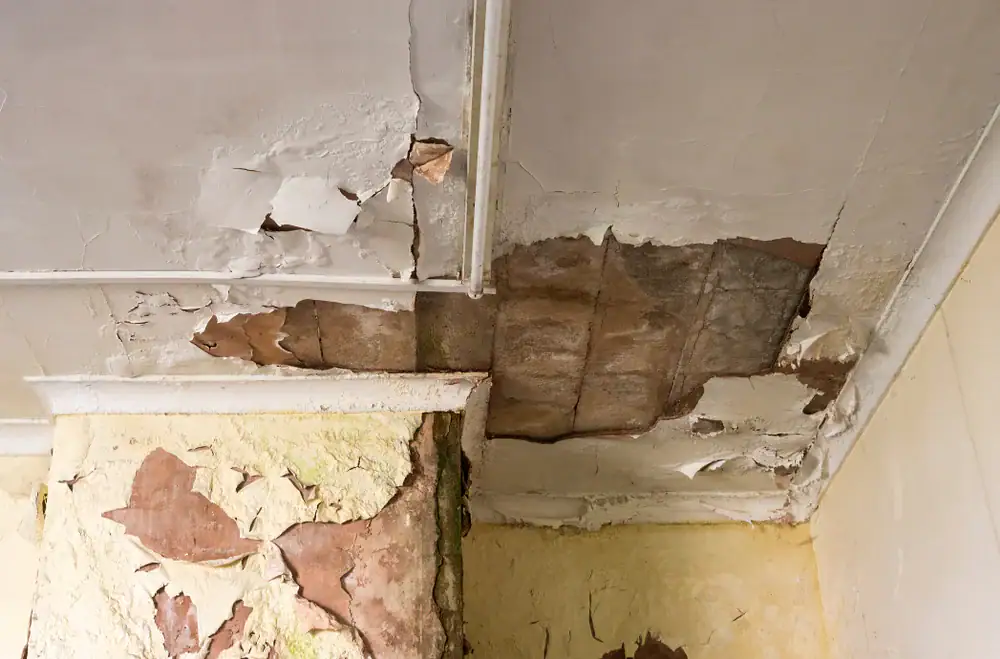
You might notice a musty smell, discoloration on walls or ceilings, or floors that feel soft or warped. But hidden moisture doesn’t always show obvious signs, especially in the first few days.
That’s why we use thermal imaging cameras and moisture meters during our initial assessment. These tools detect water trapped inside wall cavities, under flooring, and in other places you can’t see.
If we find hidden moisture, we document it with photos and readings, then set up targeted drying equipment to pull it out before it causes structural damage or mold growth. Catching it early saves you money and prevents bigger problems down the road.
Other Services we provide in North Ridge Village