Hear from Our Customers
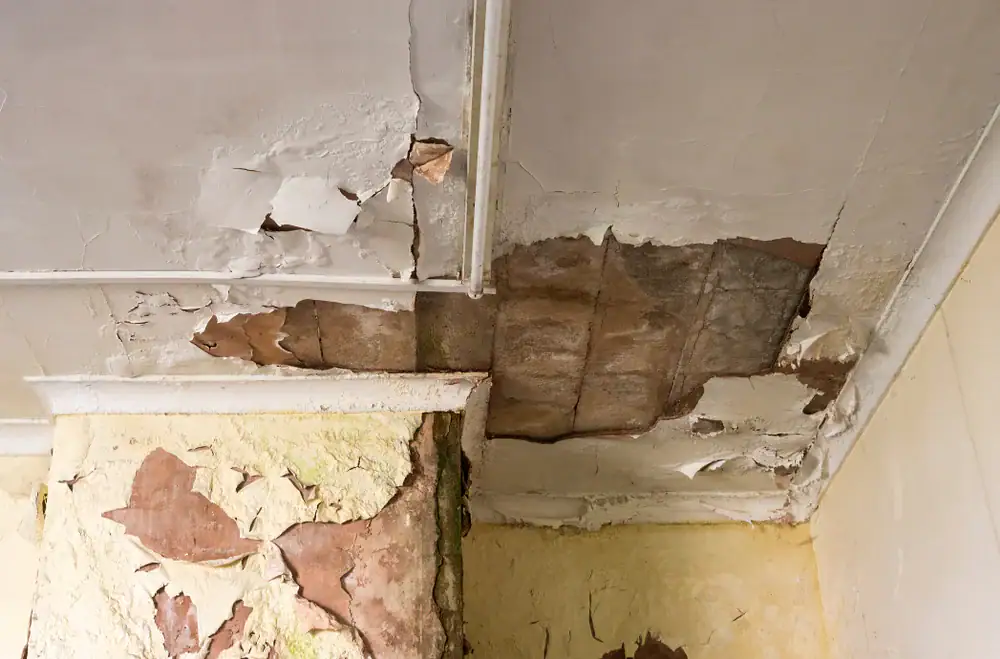
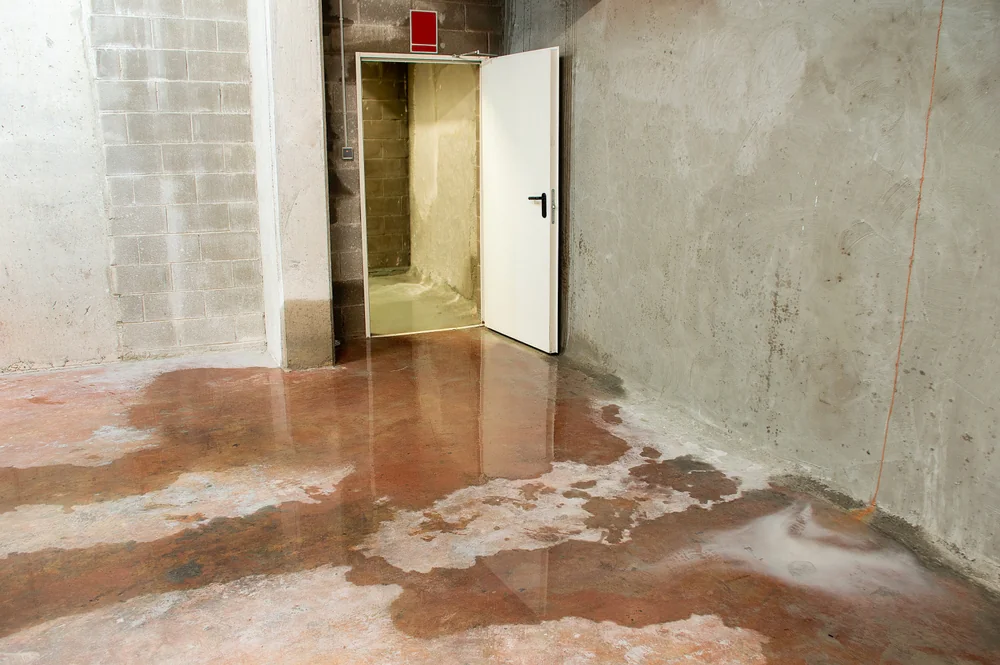
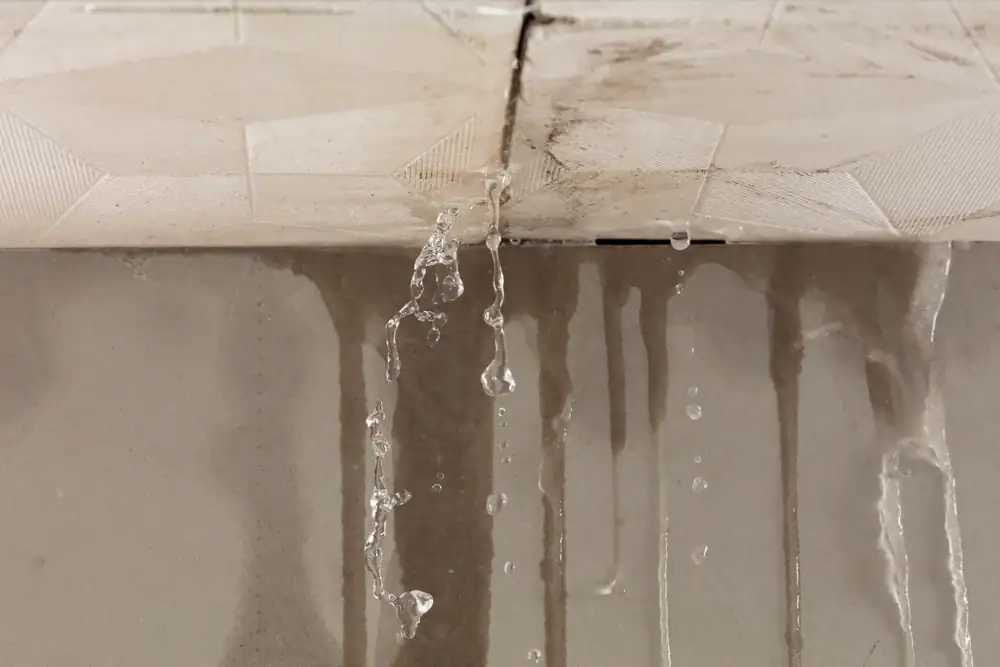
Water doesn’t wait. It spreads into walls, under flooring, and into places you can’t see. The longer it sits, the worse it gets—mold starts growing within 24 to 48 hours, structural damage compounds, and your insurance claim gets more complicated.
When you catch it early and call a water damage company that responds immediately, you’re not just saving your property. You’re avoiding weeks of displacement, protecting your belongings, and keeping repair costs manageable.
That’s what emergency water removal actually does. It stops the damage before it becomes a full-blown disaster. You get your space back faster, your claim stays cleaner, and you’re not left wondering if hidden moisture is still lurking behind your drywall three months later.
We’ve been handling water damage restoration in Riverwood, IN and across Central Indiana since 2016. We’re IICRC-certified in Water Damage Restoration (WRT), Applied Structural Drying (ASD), and Applied Microbial Remediation (AMRT)—which means we follow the same standards your insurance company expects.
We know Riverwood’s risks. Freeze-thaw cycles that burst pipes in older homes. Spring storms that overwhelm sump pumps. Crawl spaces that hold moisture longer than they should. We’ve seen it all, and we know how to dry it right.
You’re not getting a national franchise with a local sticker. You’re getting a local team that answers your call live, shows up in 60 to 90 minutes, and stays on your job until it’s done—and checked again two weeks later.
First, we answer. Live. No voicemail, no callback delays. You talk to someone who can dispatch a team to your property in Riverwood within 60 to 90 minutes.
When we arrive, we assess the damage, identify the source, and stop the water if it’s still coming in. Then we start extraction—removing standing water with truck-mounted equipment and portable extractors. Every surface gets checked with moisture meters and thermal imaging so we know exactly where the water went.
Next comes structural drying. We set up commercial dehumidifiers and air movers in a configuration designed for your specific layout and materials. We’re not guessing—we’re following IICRC drying standards and monitoring moisture levels daily until everything hits safe thresholds.
While that’s happening, we document everything. Photos, moisture maps, equipment logs, daily readings. All of it goes into a report that’s ready within 24 hours and updated every 48 hours. If you’re filing an insurance claim, we handle the coordination, use Xactimate pricing, and work directly with your adjuster. You’re not translating between your contractor and your carrier—we do that.
Once drying is complete, we walk the property with you, explain the readings, and schedule a follow-up check 14 days later to make sure nothing was missed.
Ready to get started?
Water damage restoration isn’t just about pulling out the wet carpet. It’s a full-system response that addresses visible damage and the stuff you can’t see.
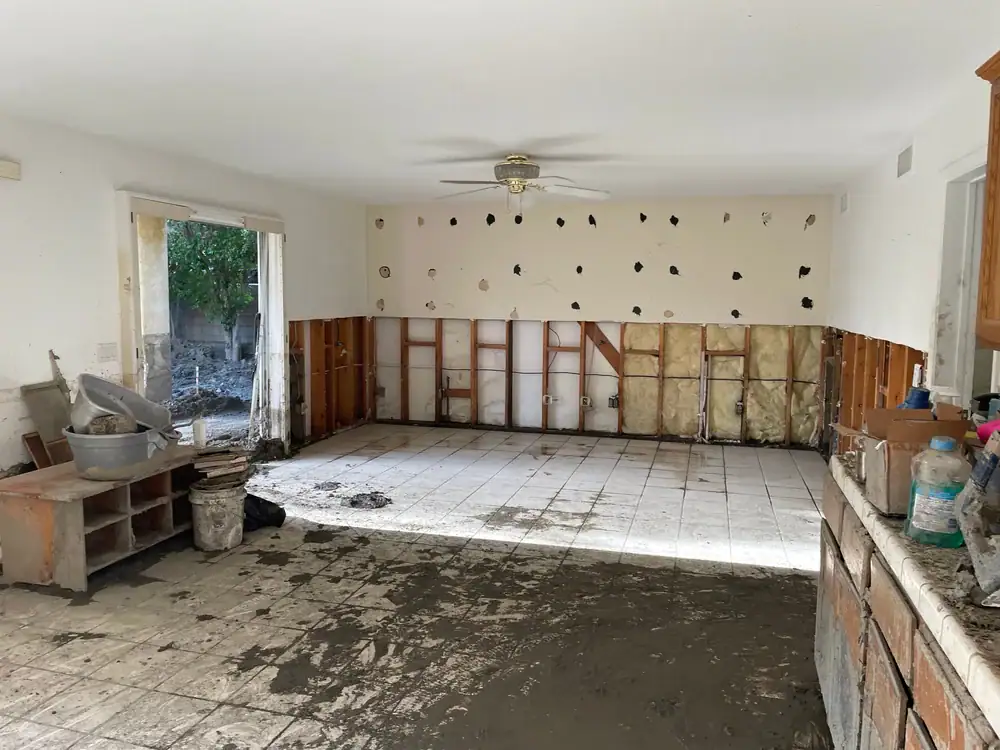
You get 24/7 emergency water removal, whether it’s 2 a.m. on a Sunday or the middle of a holiday. We extract standing water, set up containment barriers with plastic sheeting to protect dry areas, and deploy HEPA filtration to keep airborne contaminants out of the rest of your home. Structural drying comes next—commercial-grade dehumidifiers and air movers running until moisture content drops to safe levels in your walls, subfloors, and framing.
In Riverwood, that also means understanding how Indiana’s climate affects drying times. Higher humidity in spring and summer slows evaporation. Older homes with plaster walls or hardwood floors need different approaches than newer construction. We adjust our process based on what your property actually needs, not a one-size-fits-all checklist.
If mold is already present or conditions are right for growth, we handle remediation on the spot—containment, removal, antimicrobial treatment, and air scrubbing. If contents need to be moved, dried, or stored off-site, we coordinate that too. And if reconstruction is required after demo, we can take the job all the way through or hand off to your preferred contractor with full documentation in place.
We guarantee a 60 to 90 minute on-site arrival after you call. That’s not an average—it’s our standard.
Our phone line is answered live, 24/7, 365 days a year. You’re talking to someone who can immediately dispatch a crew to your property in Riverwood, not a call center that takes a message and gets back to you in the morning.
Speed matters because water damage gets exponentially worse with time. The first 24 hours determine whether you’re dealing with a manageable cleanup or a full gut-and-rebuild. Mold starts developing between 24 and 48 hours after exposure, and structural materials like drywall and insulation lose integrity the longer they stay wet. When we show up in under 90 minutes, we’re stopping that clock before the damage compounds.
It depends on the source of the water and your specific policy, but most sudden and accidental water damage is covered—burst pipes, appliance failures, roof leaks from storms, and sump pump backups if you have that endorsement.
What’s typically not covered is gradual damage from a slow leak you didn’t know about, or flooding from external sources like rivers or heavy rain unless you have separate flood insurance through FEMA. Your policy will also have limits and deductibles that affect your out-of-pocket cost.
We handle the insurance side for you. Our team uses Xactimate, the same estimating software your insurance adjuster uses, so our pricing aligns with what they expect to pay. We document everything with photos, moisture readings, and equipment logs, then submit it directly to your carrier. You’re not stuck playing middleman or trying to explain technical details to your adjuster. We have a dedicated claims liaison who manages that communication from start to finish, so your claim moves faster and you’re not left guessing what’s covered.
Most residential water damage jobs take three to five days for the drying phase, but it depends on how much water got in, what materials were affected, and how long it sat before we started extraction.
A small supply line leak caught early might dry in two to three days. A finished basement that flooded from a sump pump failure could take five to seven days, especially if carpet, drywall, and insulation are involved. Hardwood floors, plaster walls, and older construction materials take longer to release moisture than modern drywall and engineered flooring.
Indiana’s humidity also plays a role. Spring and summer months slow evaporation, so we adjust dehumidifier capacity and airflow to compensate. We’re not pulling equipment early to hit a timeline—we’re monitoring moisture levels with meters daily and only calling a job complete when readings hit safe thresholds per IICRC standards. After drying is done, reconstruction time varies based on scope, but we give you a clear timeline upfront and update you every 48 hours so you’re never left wondering when you’ll have your space back.
Mitigation is the emergency response—stopping the water, extracting it, and drying out the structure to prevent further damage. Restoration is everything that comes after—repairs, rebuilding, and getting your property back to pre-loss condition.
Mitigation happens first and it happens fast. That’s the phase where we’re pulling out carpet, cutting drywall, setting up dehumidifiers, and monitoring moisture levels. The goal is to stabilize your property and prevent mold, structural damage, and additional loss. Most water damage companies, including us, are licensed and equipped to handle mitigation.
Restoration is the rebuild. Once everything is dry and safe, you’re replacing drywall, repainting, reinstalling flooring, and fixing anything that was damaged or removed during mitigation. Some companies only do mitigation and refer out the rebuild. We can take the job all the way through or coordinate with your preferred contractor—whatever makes sense for your situation. Either way, you’re getting full documentation and a clear handoff so nothing falls through the cracks between phases.
Yes. We’re IICRC-certified in Applied Microbial Remediation (AMRT), which means we’re trained and equipped to handle mold that’s already growing or conditions where mold is likely to develop.
If water damage has been sitting for more than 48 hours, there’s a strong chance mold has started. Even if you don’t see visible growth, moisture trapped in walls, insulation, or subfloors creates the perfect environment. We test, contain, remove affected materials, treat surfaces with antimicrobial solutions, and run HEPA air scrubbers to capture airborne spores.
Mold remediation gets handled as part of the water damage restoration process if it’s caught during our initial assessment. We don’t wait, refer it out, or treat it as a separate project unless the growth is extensive and unrelated to the current water event. Containment barriers go up immediately to keep spores from spreading to clean areas of your home, and we document everything for your insurance claim. If you’re dealing with an older water issue that wasn’t addressed right away, we’ll walk the property, explain what needs to happen, and give you a clear scope and timeline before we start.
Stop the water source if you can do it safely, move valuables out of the affected area, and call a water damage restoration company immediately. Then document everything with photos and videos for your insurance claim.
If a pipe burst, shut off the water supply at the nearest valve or your main shutoff. If it’s an appliance leak, unplug the unit and turn off its water line. Don’t try to fix electrical issues or walk through standing water if outlets or appliances are submerged—that’s a safety risk.
Once the source is controlled, get anything valuable or irreplaceable out of the wet area—documents, electronics, photos, heirlooms. Don’t worry about furniture or carpet yet—focus on what can’t be replaced. Take photos and videos of the damage from multiple angles before you move anything, because your insurance company will want documentation of the loss.
Then call us. The faster we start extraction and drying, the less damage you’ll deal with overall. Don’t wait to contact your insurance company first—we can walk you through that process and even make the call with you if needed. Time is the biggest factor in how much of your property we can save, so the sooner we’re on-site, the better your outcome.
Other Services we provide in Riverwood