Hear from Our Customers
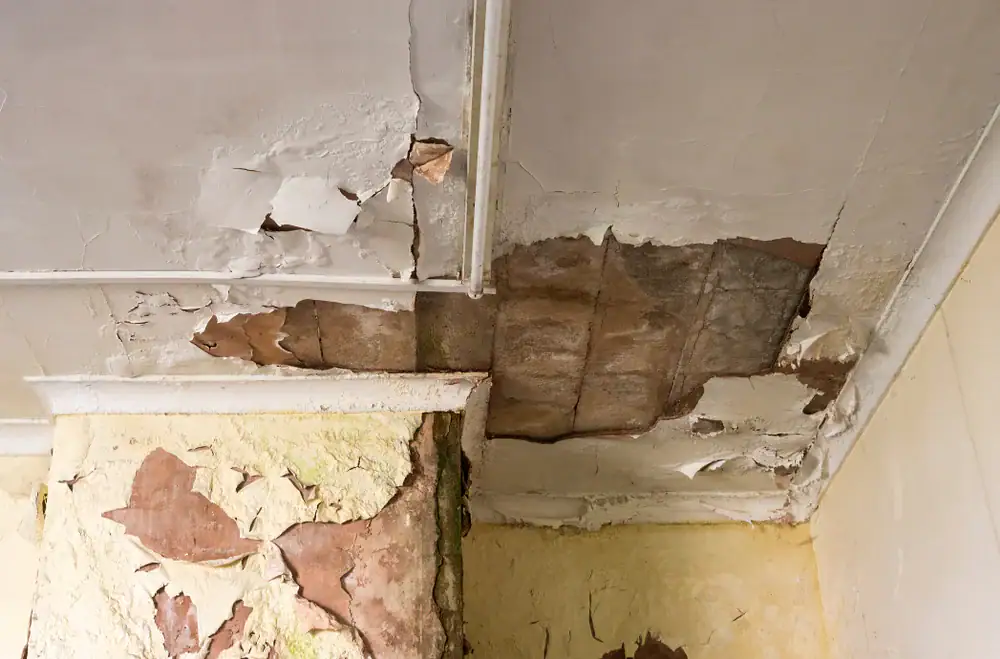
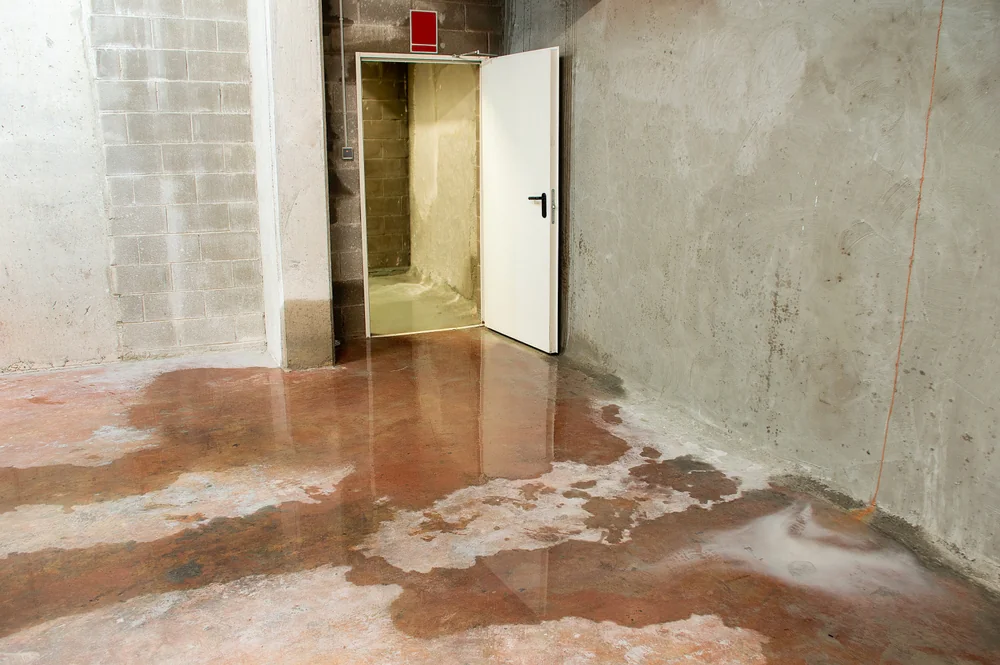
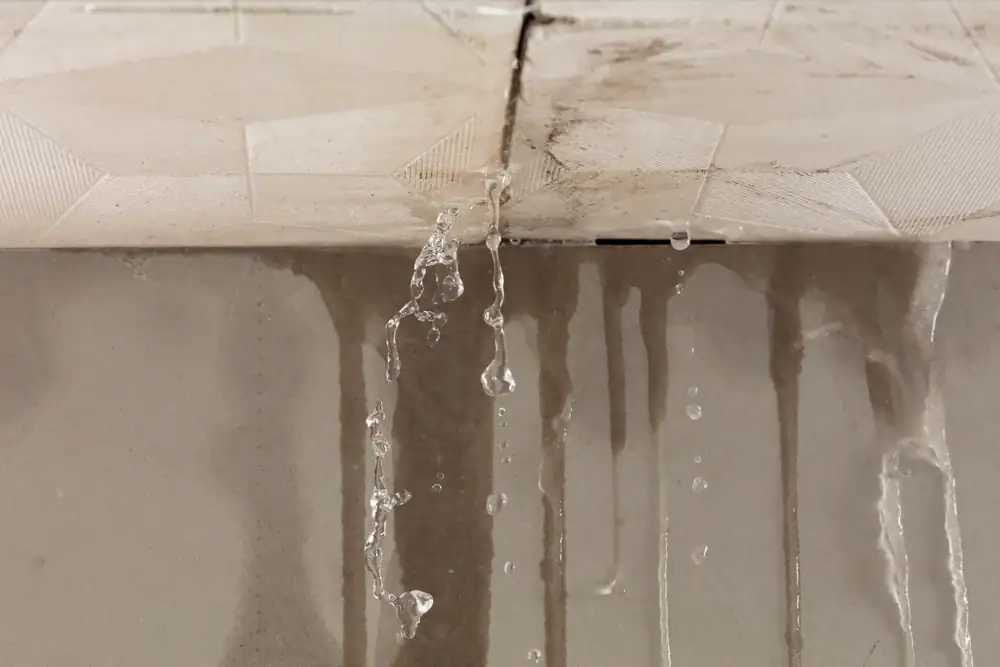
You already know water doesn’t wait. Every hour it sits, it’s spreading—into subflooring, up drywall, behind baseboards. That’s not just more damage. That’s mold risk, structural issues, and a claim that balloons from manageable to catastrophic.
Fast response means you protect what matters. Your floors don’t buckle. Your walls don’t need full replacement. Your insurance adjuster sees contained damage, not a total loss. And you’re not living in a construction zone for three months while contractors drag their feet.
The difference between a two-day dry-out and a six-week gut job often comes down to the first four hours. That’s why our crews arrive in 60 to 90 minutes with industrial extractors, moisture meters, and a game plan—not an estimate appointment for next Tuesday.
We’ve been handling water emergencies across Central Indiana since 2016. We’re not a franchise call center routing you to the lowest bidder. We’re a local, IICRC-certified restoration company with Water Restoration Technician (WRT) and Applied Structural Drying (ASD) credentials—the industry standards your insurance company expects.
Samaria sits in an area where spring flooding, summer storms, and winter freeze-thaw cycles keep basements and crawl spaces vulnerable. We’ve dried out hundreds of properties across the region, from burst supply lines in January to sump pump failures during April downpours. Our crews know Indiana construction, Indiana weather, and how to move fast without cutting corners.
You’ll get a live person when you call, not a voicemail. You’ll see our truck in your driveway within 90 minutes, not next business day. And you’ll get photos, moisture maps, and a detailed scope within 24 hours—because your claim won’t move forward without documentation.
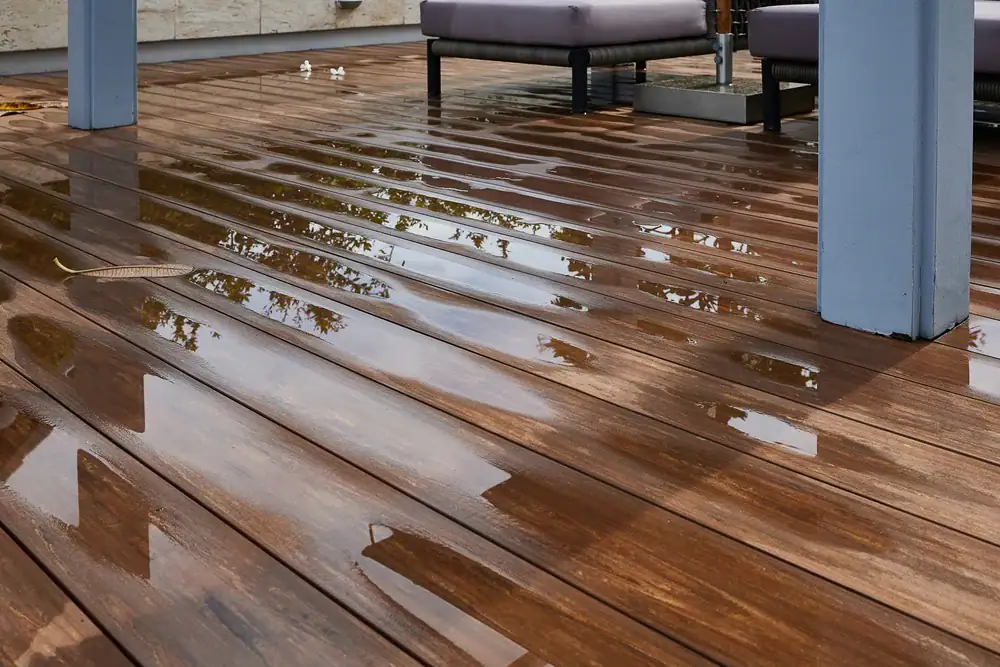
Here’s what actually happens when you call. First, we answer—live, 24/7. You’ll talk to someone who can dispatch a crew immediately, not schedule an inspection for later in the week. We ask a few key questions: what’s wet, how much water, what’s the source. Then we’re on the way.
When we arrive, we assess the damage and stop the source if it’s still active. Then we extract standing water using truck-mounted pumps and portable vacuums—the faster we pull it out, the less it spreads. Next, we set up air movers and dehumidifiers in a strategic layout based on moisture readings, not guesswork. We contain affected areas with plastic sheeting and run HEPA filters to keep airborne particles and humidity from migrating into dry spaces.
Within 24 hours, you’ll receive a full photo report, moisture map, and Xactimate estimate—the same pricing software your insurance adjuster uses. We update you every 48 hours with new readings and progress photos. Once everything hits target moisture levels (we’re talking 12-15% for wood, 0-1% for concrete), we remove equipment, do a final walkthrough, and follow up two weeks later to confirm nothing’s come back. If you need reconstruction—drywall, flooring, paint—we handle that too, so you’re not coordinating three different contractors.
Ready to get started?
You’re not just getting a guy with a shop vac. This is a full-scale mitigation and restoration service designed to get your property back to pre-loss condition—and keep your claim moving.
We handle emergency water extraction with truck-mounted and portable pumps, structural drying using commercial-grade air movers and dehumidifiers, and moisture monitoring with thermal cameras and pin-type meters to catch hidden water behind walls and under floors. We’ll pack out and store your contents if needed, dry your crawl space or basement, treat for microbial growth if moisture sat too long, and coordinate directly with your insurance adjuster so you’re not playing phone tag for weeks.
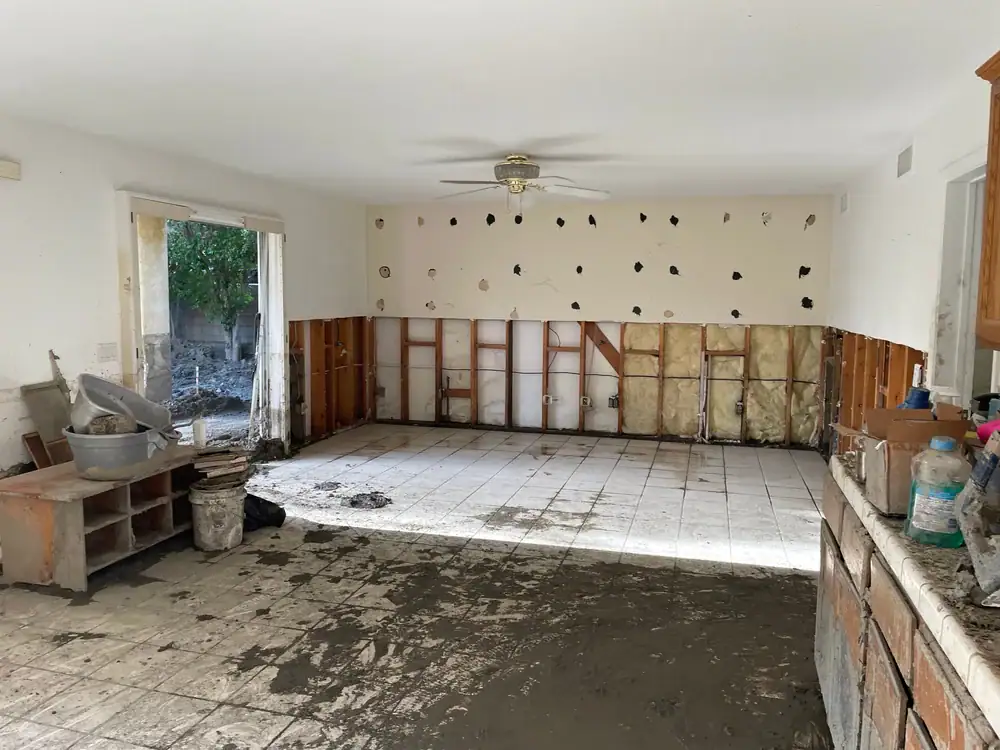
Samaria properties—especially older homes with stone foundations and minimal crawl space ventilation—are prone to recurring moisture issues. If your sump pump failed during a heavy rain event or a pipe froze and burst during a cold snap, you’re dealing with more than surface water. You’re dealing with saturated insulation, compromised subfloors, and potential mold colonization within 48 hours. We address all of it, document all of it, and make sure your claim reflects the full scope so you’re not paying out of pocket for hidden damage six months later.
We dispatch crews within 60 to 90 minutes of your call, 24 hours a day. That includes nights, weekends, and holidays. Water damage doesn’t wait for business hours, and neither do we.
When you call, you’ll speak with a live person who can send a truck immediately—not schedule an appointment for the next day. Our crews carry extraction equipment, moisture meters, air movers, and dehumidifiers on every truck, so we start mitigation the moment we arrive. The faster we pull water out and start drying, the less damage spreads and the lower your restoration costs. In a situation where every hour counts, 90 minutes can be the difference between drying out a room and replacing an entire floor.
It depends on the source. Most homeowners policies cover sudden, accidental water damage—like a burst pipe, washing machine overflow, or water heater failure. They typically don’t cover flooding from outside sources like heavy rain, river overflow, or surface water entering your basement. That requires separate flood insurance, and only about 12% of homeowners carry it.
Insurance also won’t cover gradual damage or neglect. If a pipe’s been leaking for months and you didn’t fix it, that’s on you. But if a supply line bursts at 2 a.m. and floods your basement, you’re likely covered. We work directly with your insurance company—we’ll document everything with photos and moisture maps, write the estimate in Xactimate (the software adjusters use), and handle the claim paperwork so you’re not navigating it alone. Our pricing aligns with what insurers pay, so there’s no surprise gap between what’s covered and what we charge.
Drying usually takes three to five days, depending on how much water there was, what materials got wet, and how fast we started. A small bathroom with standing water might dry in 48 hours. A finished basement with soaked carpet, drywall, and insulation could take a week.
We’re not guessing. We take moisture readings every day and pull equipment once materials hit safe levels—typically 12 to 15% moisture content for wood and under 1% for concrete. If we also need to rebuild (replace drywall, install new flooring, repaint), add another one to three weeks depending on scope and material availability. But the mitigation phase—stopping damage and drying everything out—moves fast if we’re called early. The longer water sits before we start, the longer the whole process takes and the more extensive the repairs.
We use truck-mounted extractors for large volumes of standing water—these pull hundreds of gallons per hour. For smaller areas or hard-to-reach spots, we bring in portable wet vacuums. Once the bulk water is out, we deploy commercial air movers (high-velocity fans) and industrial dehumidifiers to dry structural materials from the inside out.
We also use thermal imaging cameras to find hidden moisture behind walls, under flooring, and in ceiling cavities where you can’t see it. Pin-type and non-invasive moisture meters let us track drying progress in real time, so we know exactly when it’s safe to remove equipment. Everything is calibrated to your specific situation—how wet it is, what materials are affected, and how much airflow and dehumidification the space needs. This isn’t a one-size-fits-all setup. We adjust equipment placement and run times based on daily readings until the job is done right.
Yes. If water sat for more than 48 hours, there’s a good chance mold has started colonizing—especially in basements, crawl spaces, and behind drywall where humidity stays high. We’re IICRC-certified in Applied Microbial Remediation (AMRT), which means we follow the same protocols your insurance company and indoor air quality professionals expect.
We’ll contain the affected area with plastic sheeting and negative air pressure, remove contaminated materials that can’t be salvaged, treat surfaces with antimicrobial agents, and run HEPA filtration to capture airborne spores. If the growth is extensive, we may recommend third-party testing before and after remediation to confirm clearance. Mold isn’t something you can just wipe off and forget. It requires proper containment, removal, and documentation—especially if you’re filing an insurance claim. We handle it all as part of the restoration process, so you’re not hiring a separate mold company and waiting another week to get started.
Stop the source if you can—shut off the main water valve if it’s a pipe, turn off the appliance if it’s a washer or dishwasher, or move valuables out of the water’s path if it’s still spreading. Then call us. Don’t wait to see if it dries on its own. It won’t.
If it’s safe, take a few photos for your records, but don’t start tearing things apart or throwing stuff away—your insurance adjuster needs to see the damage as it happened. Avoid walking through standing water if you don’t know where it came from, especially if it’s gray water (from appliances or drains) or black water (from sewage or flooding), which can carry bacteria and contaminants. Don’t run fans or open windows thinking you’ll dry it yourself—you’ll just spread moisture and humidity into unaffected areas. The best thing you can do is call a certified water damage restoration company immediately and let professionals handle extraction, drying, and documentation the right way from the start.
Other Services we provide in Samaria