Hear from Our Customers
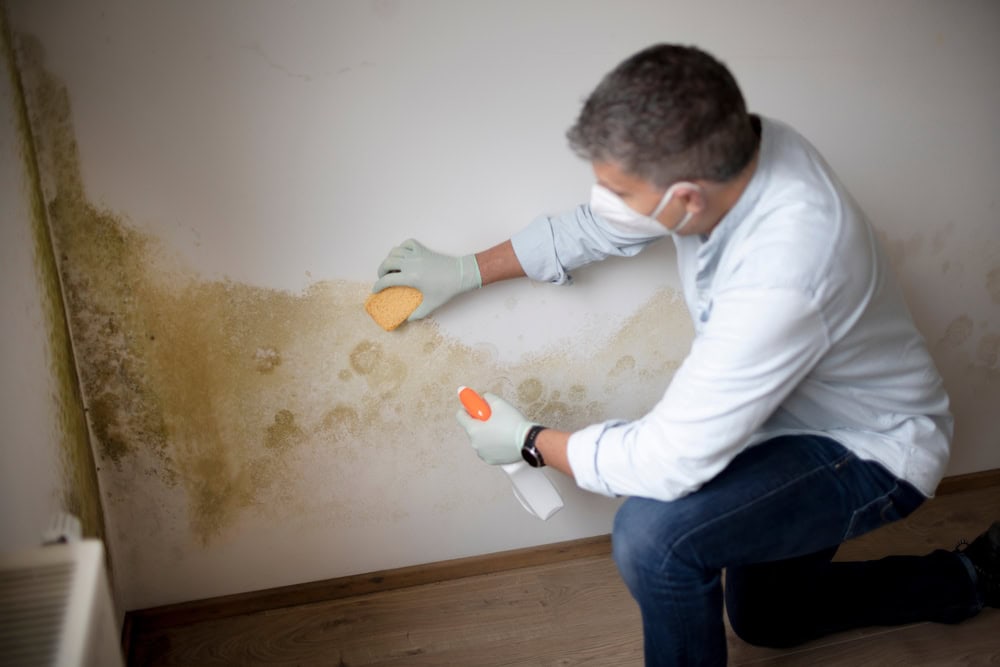
You stop smelling that musty odor every time you walk into certain rooms. Your family’s coughing and allergy symptoms start to clear up. You’re not wondering if there’s something growing behind your walls or in your HVAC system.
The air feels cleaner because it is. You’re not dealing with the same problem six months from now because we actually fixed the leak or humidity issue that caused it in the first place.
That’s the difference between surface cleaning and real mold remediation. One makes it look better temporarily. The other solves the problem so you can move on with your life.
We handle mold remediation for homes and businesses throughout Brownsburg, IN. The humidity here creates perfect conditions for mold growth, especially in basements, crawlspaces, and areas with poor ventilation.
We’ve seen what happens when mold gets ignored or treated incorrectly. It spreads. It damages your property. It affects your health. That’s why our approach focuses on finding the moisture source first, not just scrubbing visible mold and calling it done.
Brownsburg property owners deal with mold from flooding, roof leaks, HVAC condensation, and basement moisture. We understand these local issues because we work with them every day. Our job is to get your property back to safe, clean conditions and make sure the problem doesn’t return.
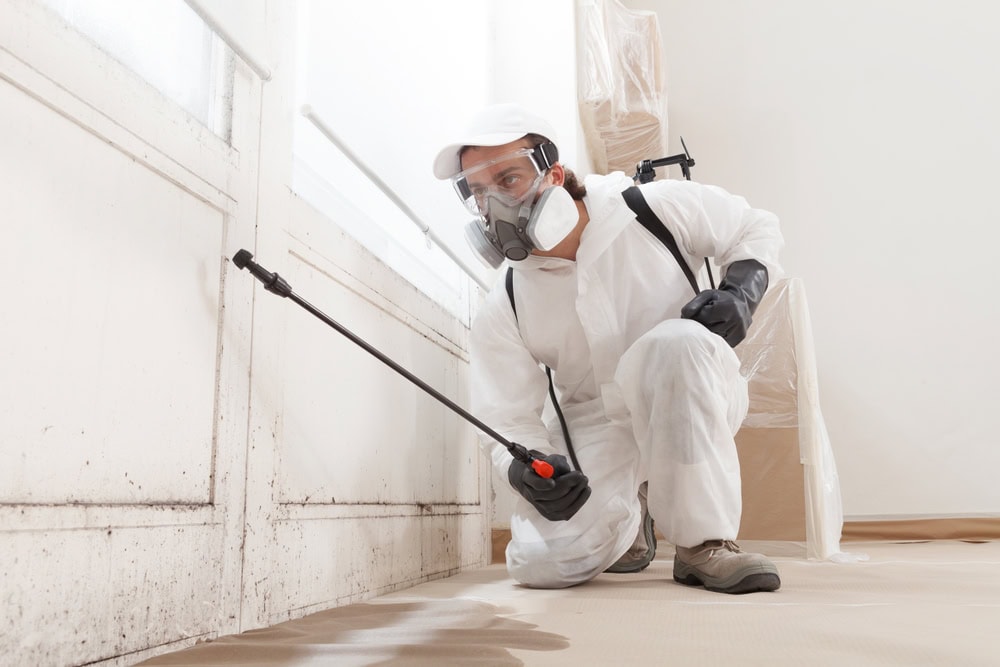
First, we inspect your property to find all the mold and identify what’s causing it. That means checking visible areas, using moisture meters to detect hidden water, and looking at places mold loves to hide like behind walls, under flooring, and in HVAC systems.
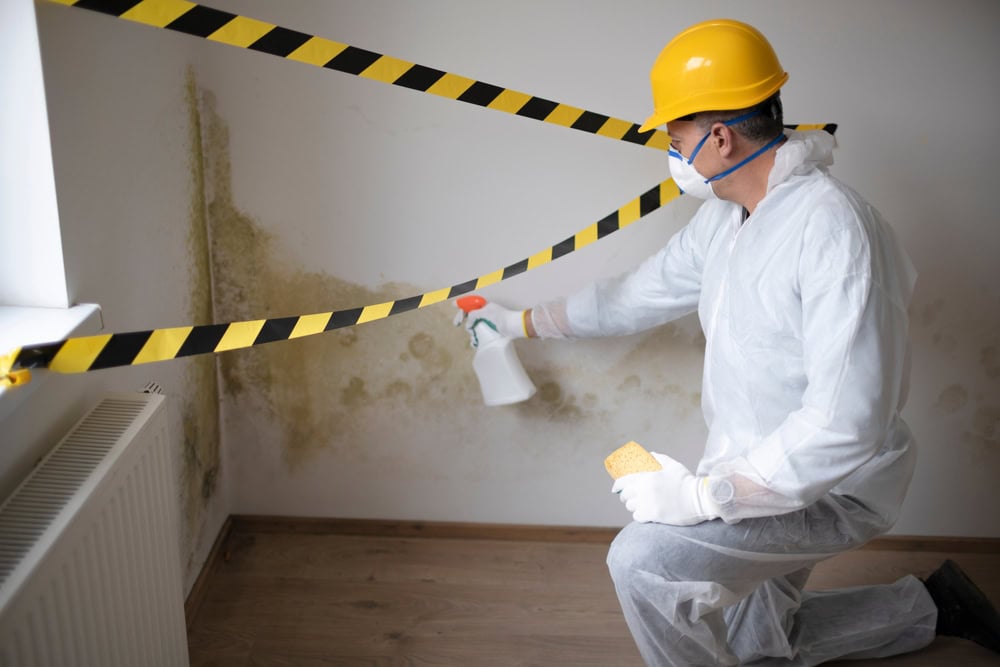
Once we know what we’re dealing with, we contain the affected area. This stops mold spores from spreading to clean parts of your property during removal. We use physical barriers and negative air pressure to keep everything isolated.
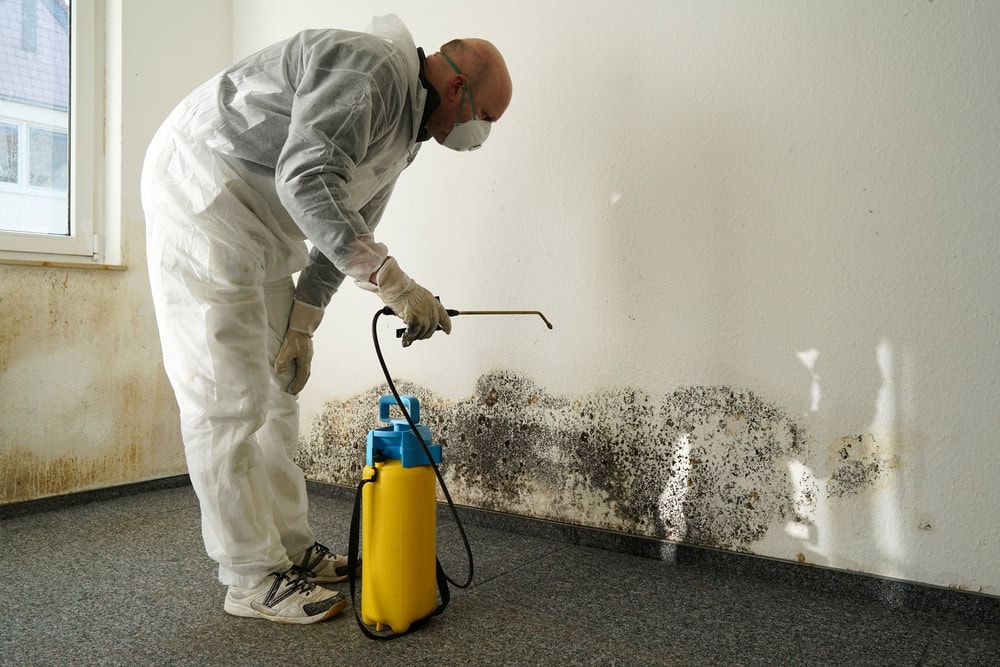
Then comes the actual removal. Surface mold gets cleaned with the right products. Materials that are too contaminated like soaked drywall, insulation, or carpeting get removed and disposed of properly. We use HEPA filtration to clean the air while we work.
After the mold is gone, we dry everything thoroughly and fix the moisture problem. That might mean repairing leaks, improving ventilation, or addressing drainage issues. Without this step, you’re just waiting for mold to come back.
Ready to get started?
Mold inspection comes first. We need to see the full scope before we start tearing things apart. That includes visual inspection, moisture detection, and testing when necessary to understand what types of mold you’re dealing with and how far it’s spread.
Containment and air filtration protect the rest of your property. We seal off the work area and run air scrubbers with HEPA filters to capture mold spores. This is especially important in Brownsburg homes where HVAC systems can spread contamination throughout the entire building.
Removal and cleaning depend on how deep the mold has penetrated. Hard surfaces get cleaned and treated. Porous materials like drywall and insulation usually need to be removed if they’re heavily contaminated. We don’t guess at this. We assess each situation based on what we find.
Structural drying and dehumidification eliminate the moisture that allowed mold to grow. In Brownsburg’s humid climate, this step is critical. We use commercial dehumidifiers and air movers to get materials completely dry, not just surface dry.
Source repair is what separates real remediation from temporary fixes. We identify and address the water intrusion or humidity issue that caused your mold problem. Without fixing the source, you’ll be calling someone again in a few months.
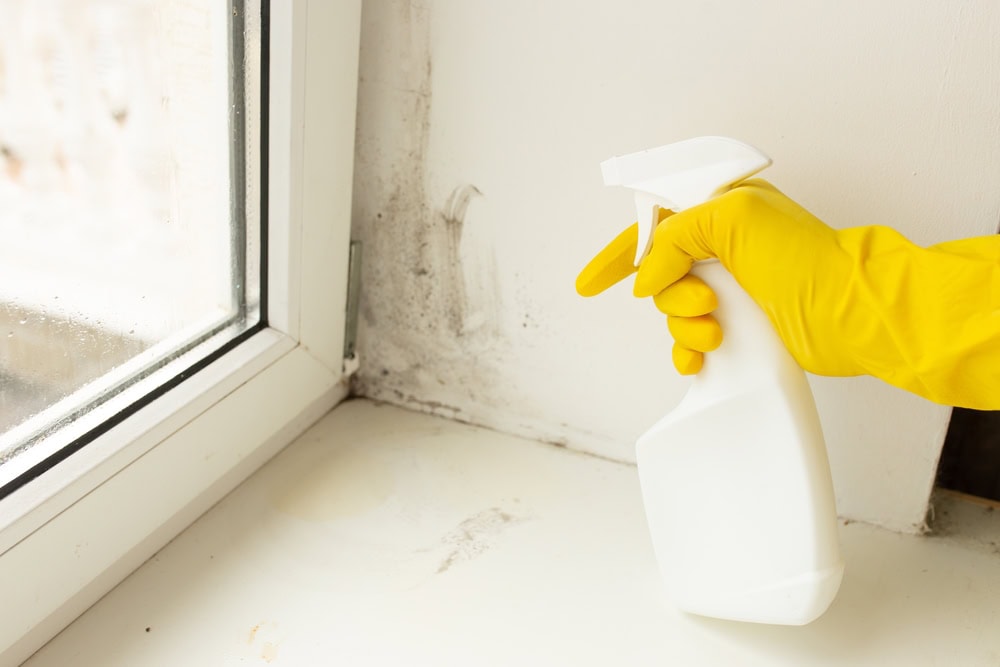
If the moldy area is larger than about 10 square feet, you need professional help. That’s roughly a 3×3 section of wall. Anything bigger than that means the mold has likely spread beyond what you can see, and you need proper containment and equipment to remove it safely.
You also need professionals if the mold is from sewage or contaminated water, if it’s in your HVAC system, or if it’s hidden behind walls or under flooring. These situations require specialized equipment and training to handle correctly.
Small surface mold on non-porous materials like tile or glass can usually be cleaned with the right products. But if you’re dealing with mold on drywall, insulation, carpeting, or wood, or if you have health issues that make you sensitive to mold exposure, call someone who knows what they’re doing. DIY mold removal often makes the problem worse by spreading spores without proper containment.
Mold needs moisture and organic material to grow. In Brownsburg, the most common causes are basement moisture from poor drainage or foundation issues, roof leaks, plumbing leaks, HVAC condensation, and high indoor humidity levels.
Indiana’s climate creates periods of high humidity, especially in summer. When indoor humidity stays above 60%, mold can start growing within 24 to 48 hours. Basements and crawlspaces are particularly vulnerable because they’re naturally cooler and damper than the rest of your home.
Prevention means controlling moisture. Fix leaks as soon as you notice them. Use dehumidifiers in basements and other damp areas to keep humidity between 30% and 50%. Make sure your gutters and downspouts direct water away from your foundation. Vent bathrooms, kitchens, and laundry rooms to the outside, not into your attic. Check your HVAC system regularly for condensation issues. If you’ve had water damage from flooding or burst pipes, get everything dried out completely within 48 hours.
Most residential mold remediation projects take 3 to 7 days, depending on the size of the affected area and how much material needs to be removed. Smaller jobs might be done in a day or two. Larger projects involving multiple rooms or extensive water damage can take longer.
Whether you can stay in your home depends on the scope of the work and where the mold is located. If we’re remediating a small area like a bathroom and we can properly contain it, you can usually stay in other parts of the house. If the mold is widespread or in your HVAC system, it’s better to stay elsewhere during active remediation.
The containment process is designed to isolate the work area and prevent mold spores from spreading. We use physical barriers and negative air pressure to keep everything sealed off. But some people, especially those with mold allergies or respiratory issues, prefer to stay with family or in a hotel during the work. We’ll give you an honest assessment of whether it’s safe and practical for you to stay based on your specific situation.
It depends on what caused the mold. Most homeowners insurance policies cover mold remediation if the mold resulted from a covered peril like a burst pipe, sudden appliance leak, or storm damage. The key word is “sudden.” If your pipe bursts and causes water damage that leads to mold, that’s typically covered.
What insurance usually doesn’t cover is mold from long-term neglect, maintenance issues, or gradual leaks that you should have noticed and fixed. If your roof has been leaking for months and you didn’t repair it, or if you have ongoing basement moisture from poor drainage, insurance will likely deny the claim.
The best approach is to document everything. Take photos of the damage. Keep records of when you discovered it and what you did about it. Contact your insurance company right away to report the issue. We can provide detailed documentation of our findings and remediation work to support your claim. Some policies have specific mold coverage limits, often between $5,000 and $10,000, so review your policy or talk to your agent about what’s covered.
Mold inspection is a visual examination of your property to look for mold growth, water damage, and moisture problems. An inspector checks areas where mold commonly grows like basements, bathrooms, attics, and crawlspaces. They use moisture meters and sometimes thermal imaging cameras to find hidden moisture. This tells you if you have a mold problem and where it’s located.
Mold testing involves taking air samples or surface samples and sending them to a lab for analysis. Testing identifies what types of mold are present and how much. It’s useful when you smell mold but can’t see it, when you need documentation for health issues or real estate transactions, or when you want to verify that remediation was successful. Not every situation requires testing. If you can see mold, you know you have a problem that needs to be fixed.
Mold remediation is the actual removal of mold and contaminated materials, plus fixing the moisture source that caused it. Remediation includes containment, removal, cleaning, drying, and repairs. Some companies do both inspection and remediation. Others only do inspection and testing to avoid any conflict of interest. We handle the full remediation process once you know what you’re dealing with. Inspection and testing tell you what the problem is. Remediation solves it.
Most mold remediation projects cost between $1,500 and $4,000, but the range is wide depending on several factors. Small, contained areas might cost $500 to $1,500. Large projects involving multiple rooms, extensive water damage, or structural repairs can run $5,000 to $10,000 or more.
The main factors that affect cost are the size of the affected area, how much material needs to be removed, whether the mold is easily accessible or hidden behind walls, and what caused the moisture problem. Removing mold from a bathroom wall costs less than remediating an entire basement or crawlspace. If we need to remove drywall, insulation, and flooring, that costs more than cleaning hard surfaces.
The type of water that caused the mold matters too. Clean water from a supply line is easier to deal with than contaminated water from sewage or flooding, which requires more intensive cleaning and safety measures. Location within your home also plays a role. Attics and crawlspaces are harder to access and work in than living spaces.
Don’t choose a mold remediation company based solely on price. The cheapest option often means corners get cut, the moisture source doesn’t get fixed, and the mold comes back. You want someone who will do it right the first time, even if it costs a bit more upfront.
Other Services we provide in Brownsburg