Hear from Our Customers
You stop worrying about what’s growing behind your walls. Your kids’ allergies calm down. That musty smell in the basement finally disappears.
The air quality improves within 72 hours of proper mold removal. You’re not masking the problem with bleach or repainting over stains—you’re eliminating the source, verifying it with lab testing, and getting third-party clearance that confirms your home is safe again.
Insurance companies accept the documentation without pushback. Your property value stays intact. You can sell, refinance, or just sleep better knowing the problem is actually solved—not just covered up until the next rainy season.
North Augusta Addition homes deal with Indiana’s humidity swings and clay soil drainage issues that create perfect conditions for mold growth. Older basements, crawl spaces, and foundation cracks let moisture in year-round. When you catch it early and handle it correctly, you avoid the expensive structural repairs that come from letting mold colonize for months.
We’ve handled mold remediation in North Augusta Addition, IN since 2016. We’re locally owned, IICRC-certified in applied microbial remediation, and we answer our own phones—no call center, no runaround.
When you call at 2 a.m. because you just found black mold in your bathroom, you talk to someone who can dispatch a crew within the hour. We arrive with moisture meters, thermal imaging, and containment equipment—not a sales pitch.
Our BBB A+ rating comes from doing what we say we’ll do: show up fast, document everything for insurance, protect the rest of your home during remediation, and follow up two weeks later to make sure nothing came back. We’ve worked with every major insurance carrier in Central Indiana, so we know exactly what documentation they need to approve your claim without delays.
You call. A real person answers and asks about your situation—visible mold, water damage, health symptoms, timeline. We’re on-site in 60 to 90 minutes with testing equipment and protective gear.
First visit: we assess the extent of contamination using moisture meters and thermal imaging to find hidden growth. We take air and surface samples if needed, photograph everything, and map out moisture levels. You get a detailed scope of work within 24 hours, written in Xactimate format so your insurance adjuster can review it without translation.
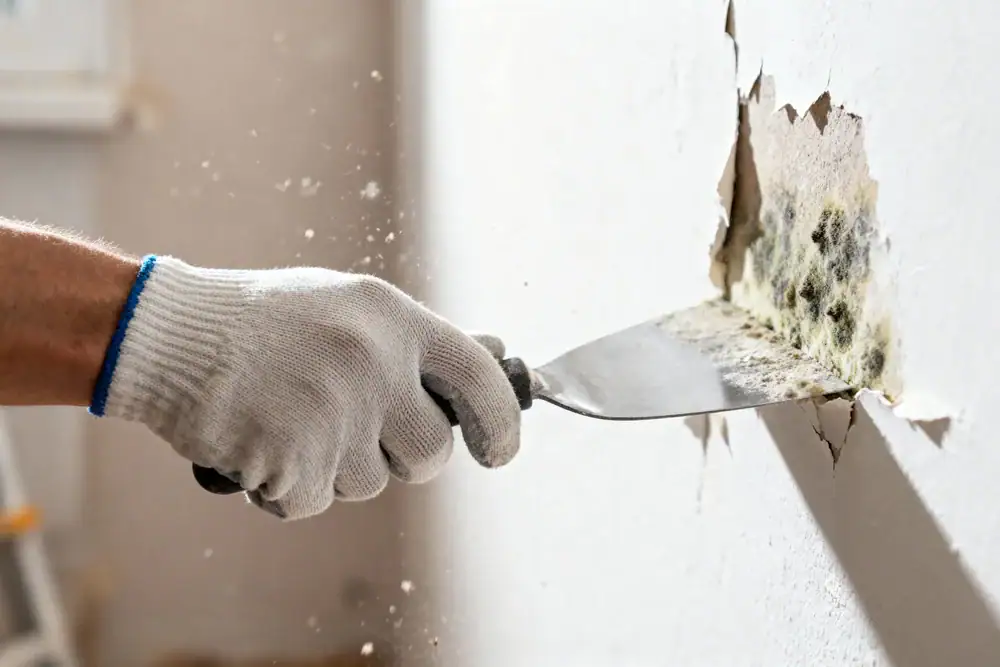
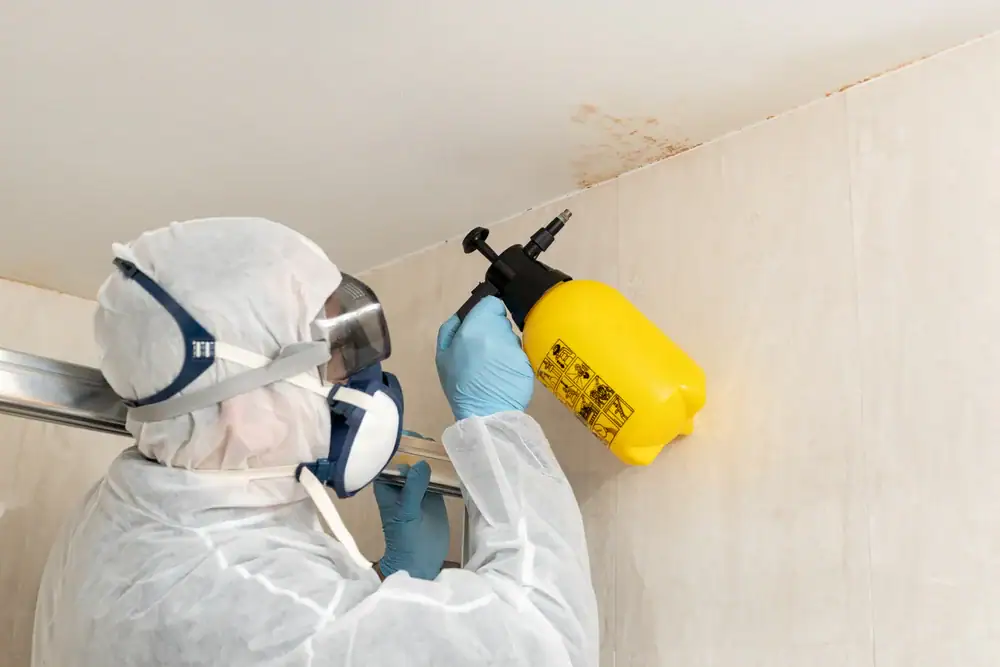
Containment happens before removal starts. We seal off affected areas with plastic sheeting and negative air pressure, so spores don’t spread to clean rooms. HEPA filtration runs continuously. Then we remove contaminated materials—drywall, insulation, baseboards—and treat structural elements that can be saved.
After physical removal, we apply antimicrobial treatments and verify moisture levels are below 16%. We don’t just clean what you can see—we address the humidity problem that caused it. Then an independent lab tests the air quality to confirm spore counts are back to normal, safe levels.
You get a clearance report, photos of the finished work, and a follow-up call two weeks later. If anything comes back, we handle it under our workmanship guarantee.
Ready to get started?
Every mold remediation project includes containment setup with HEPA air scrubbers, removal of contaminated materials, antimicrobial treatment of salvageable surfaces, and post-remediation air quality testing. You also get full photo documentation, moisture mapping, and a written report formatted for insurance submission.
We handle contents pack-out if your belongings need to be moved during the work. We dry out crawl spaces and basements using commercial dehumidifiers and air movers. If the mold growth started from a roof leak, burst pipe, or foundation crack, we coordinate with the right contractors to fix the source—because cleaning mold without stopping the moisture is just a temporary fix.
North Augusta Addition’s older housing stock means we often find mold in rim joists, behind old paneling, and in poorly ventilated attics. Indiana’s spring rains and summer humidity create the 60%+ moisture levels that mold needs to thrive. We adjust our protocols based on the season—winter jobs require different drying strategies than summer jobs because of how concrete and wood react to temperature swings.
If you’re dealing with a flooded basement, we start water extraction and drying immediately to prevent mold from colonizing in the first 48 hours. If you’re buying or selling a home and the inspection found mold, we provide the documentation and clearance testing that satisfies lender requirements.
Most residential mold remediation jobs in North Augusta Addition run between $1,500 and $6,000, depending on the size of the affected area and how much material needs removal. A small bathroom with surface mold might cost $1,500 to $2,500. A finished basement with hidden mold behind drywall can run $4,000 to $8,000 because of the demolition and reconstruction involved.
Insurance coverage depends on what caused the mold. If it’s from a covered event like a sudden pipe burst, most policies will pay for remediation. If it’s from long-term humidity or maintenance issues, you’re likely paying out of pocket. We provide free inspections and written estimates in Xactimate format, so you know exactly what you’re looking at before any work starts.
We offer discounts for military, seniors, first responders, and teachers on non-insurance jobs. We also work with your budget to phase the work if needed—containment and removal first, reconstruction later—so you’re not living with an active mold problem while figuring out financing.
Active remediation—containment, removal, treatment—usually takes two to five days depending on the size of the job. A single-room project might be done in 48 hours. A whole-basement job with structural drying can take a week.
Air quality testing happens after remediation is complete, and lab results come back within 24 to 48 hours. If the clearance test shows elevated spore counts, we re-treat and retest at no additional charge until levels are safe.
Reconstruction adds time. If we removed drywall, insulation, or flooring, you’ll need those rebuilt. We coordinate that work, but it’s a separate phase. Most customers are back to normal within two to three weeks from the day they first called—assuming no insurance delays or change orders.
The key is starting fast. Mold spreads quickly in Indiana’s humidity. The longer you wait, the more material gets contaminated and the higher the final cost. We’ve seen small bathroom mold jobs turn into $15,000 projects because the homeowner waited six months hoping it would go away.
It depends on the cause. If mold resulted from a covered peril—like a burst pipe, storm damage, or appliance failure—most Indiana homeowners policies will cover remediation up to your policy limit, often $10,000 to $25,000. If mold grew from long-term neglect, poor ventilation, or a maintenance issue you ignored, coverage is usually denied.
The key is documentation and timing. Insurance companies want to see that you acted quickly after discovering the problem. If you found mold on Monday and called us Tuesday, that’s defensible. If you knew about a leak for three months and didn’t fix it, they’ll argue you caused the damage through negligence.
We handle insurance claims daily. We know what adjusters need: moisture readings, photos with timestamps, detailed scope of work in Xactimate, and proof that we’re addressing the water source. We’ll work directly with your adjuster, provide supplemental documentation if they push back, and make sure you’re not stuck with surprise bills because of coding errors.
Even if your policy excludes mold, the water damage that caused it might still be covered. We help you navigate that distinction so you get the maximum benefit your policy allows.
Bleach kills surface mold on non-porous materials like tile or glass, but it doesn’t penetrate porous surfaces like drywall, wood, or insulation—and that’s where most mold actually lives. You’ll kill what you can see, but the roots stay alive and regrow within weeks.
DIY mold removal also spreads spores if you don’t contain the area first. Scrubbing or demolition without negative air pressure sends millions of spores into your HVAC system, and suddenly you’ve got mold growth in three new rooms. We’ve been called in to fix dozens of DIY jobs that made the problem worse.
If the affected area is smaller than 10 square feet, surface-level only, and not caused by contaminated water, you can try cleaning it yourself using proper PPE and containment. Anything larger, anything hidden, or anything involving black mold should be handled by a certified mold remediation company. The EPA and IICRC both recommend professional remediation for areas over 10 square feet.
The bigger issue: if you don’t fix the moisture source, cleaning is pointless. Mold will come back every time until you address the leak, the humidity, or the drainage problem feeding it.
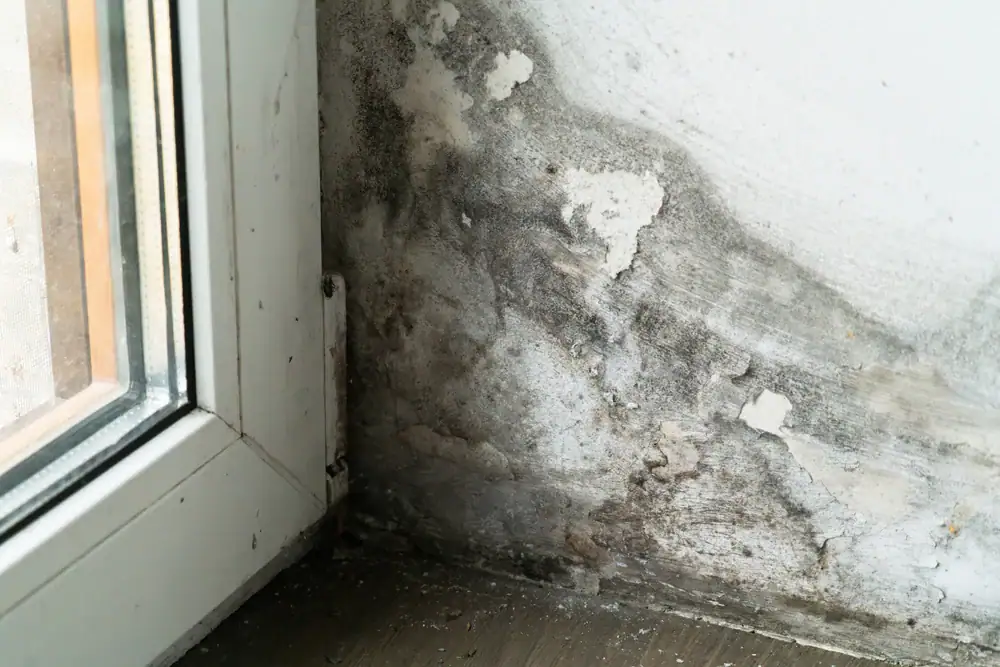
Musty odors are the most common sign, especially in basements, crawl spaces, or bathrooms. If you smell mold but don’t see it, it’s likely growing behind walls, under flooring, or in your HVAC ducts.
Health symptoms are another indicator. If you or your family experience worsening allergies, respiratory issues, headaches, or fatigue that improve when you leave the house, hidden mold might be the cause. About 21% of asthma cases are triggered or worsened by mold exposure.
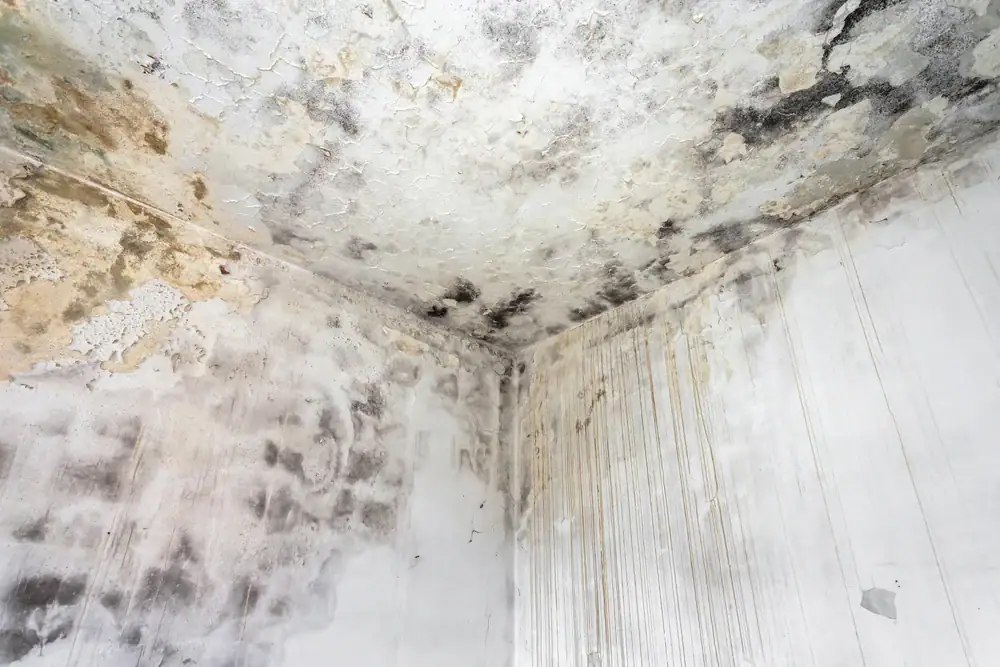
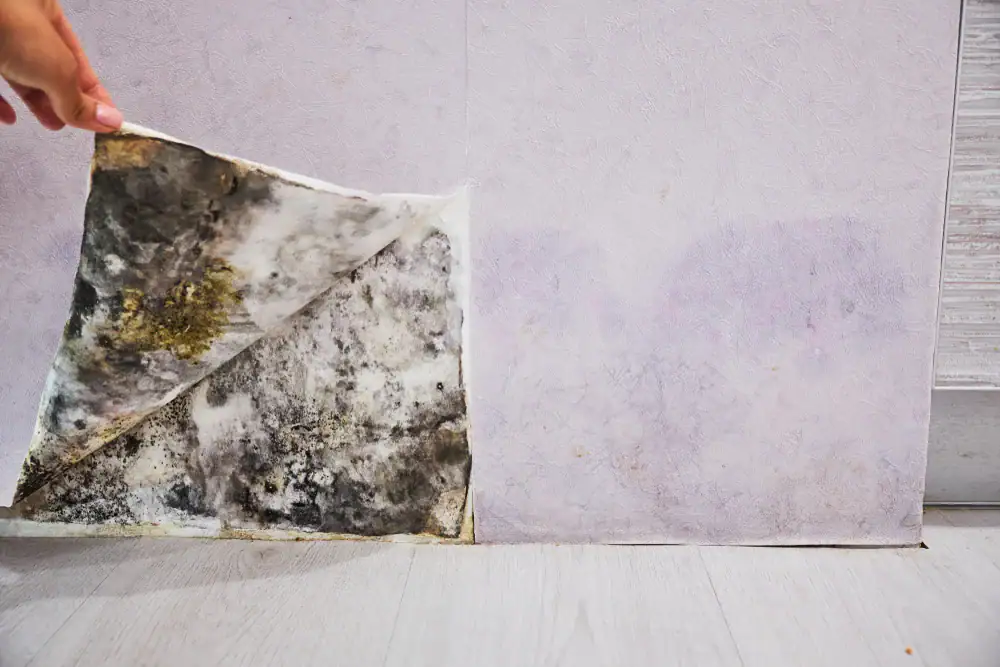
Visible water stains, peeling paint, or warped baseboards suggest moisture intrusion—and where there’s chronic moisture, there’s usually mold. North Augusta Addition homes with older foundations, clay soil drainage issues, or poor crawl space ventilation are especially prone to hidden growth.
We use thermal imaging and moisture meters to detect problem areas without tearing into walls unnecessarily. If readings show elevated moisture or temperature differentials that suggest microbial activity, we’ll recommend air or surface testing to confirm before starting demolition. Testing costs $300 to $500 but saves you from guessing—and potentially doing expensive, unnecessary work.
Mold removal means physically taking out contaminated materials—ripping out drywall, pulling up carpet, removing insulation. Mold remediation is the full process: containment, removal, treatment, air filtration, moisture control, and verification testing to confirm the environment is safe again.
You can remove mold and still have a mold problem if you don’t address the conditions that caused it. Remediation fixes the root cause—whether that’s a plumbing leak, poor ventilation, foundation cracks, or humidity above 60%. We don’t just clean up the mess; we eliminate the moisture source and verify air quality is back to normal.
True remediation also includes protecting the rest of your home during the work. Containment barriers, HEPA filtration, and negative air pressure prevent cross-contamination. Without those controls, you’re spreading spores to clean areas while you remove the visible growth.
The IICRC defines remediation as returning the environment to normal fungal ecology—not zero mold, because mold spores exist everywhere, but safe levels that won’t cause health issues or structural damage. That’s why post-remediation testing matters. It’s the only way to prove the job is actually done.
Other Services we provide in North Augusta Addition