Hear from Our Customers
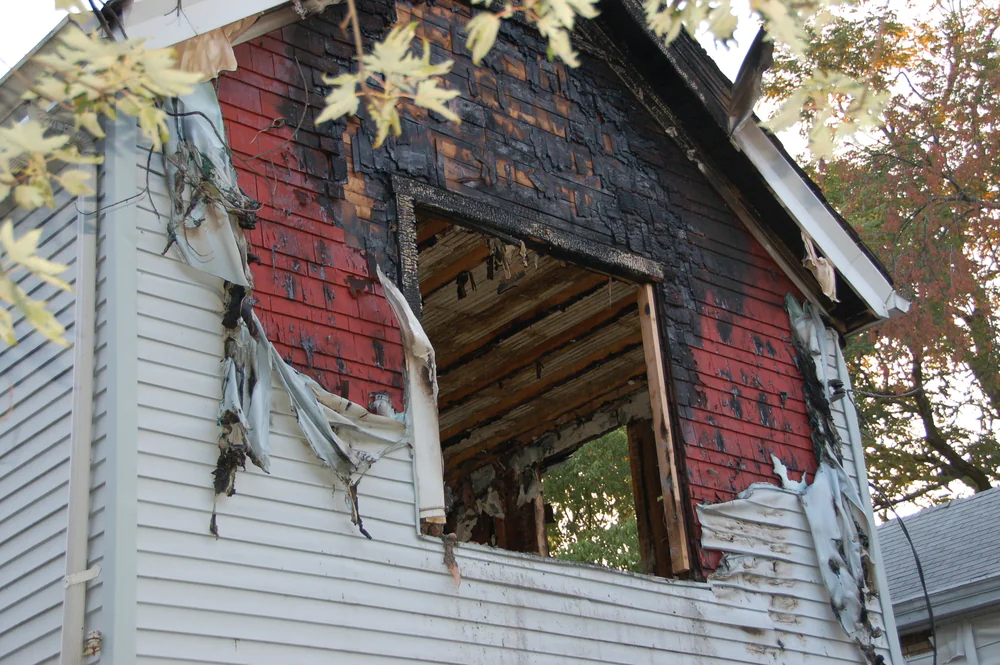
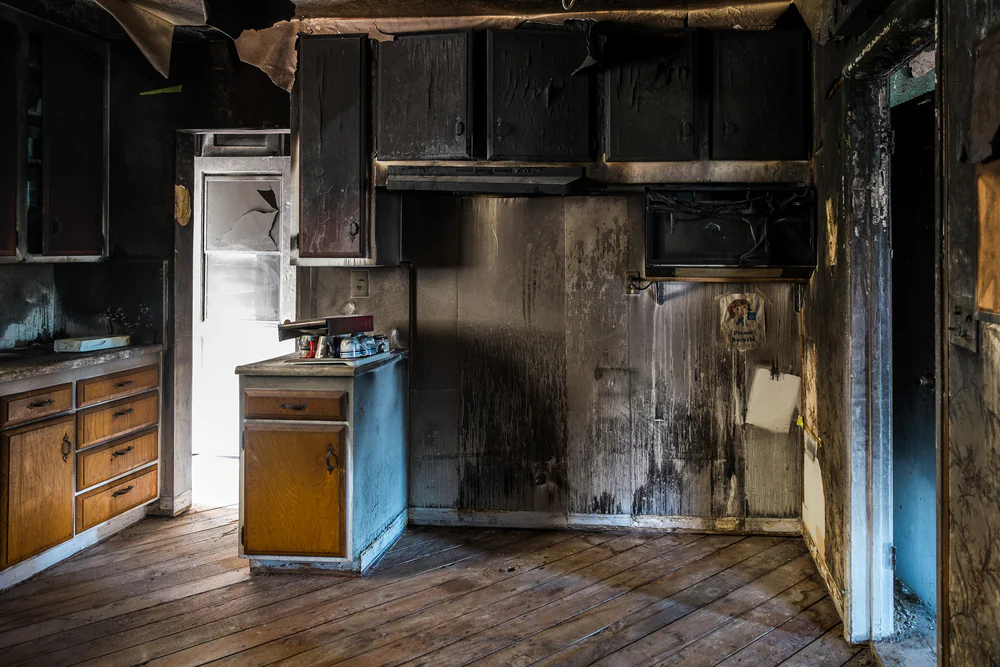
The smoke smell is gone. Not masked, gone. You walk through rooms that were black with soot and see clean walls, breathable air, and salvaged belongings you thought were lost.
Your insurance adjuster has everything they need because we documented it all within 24 hours. No back-and-forth. No claim delays. No wondering if you’re covered.
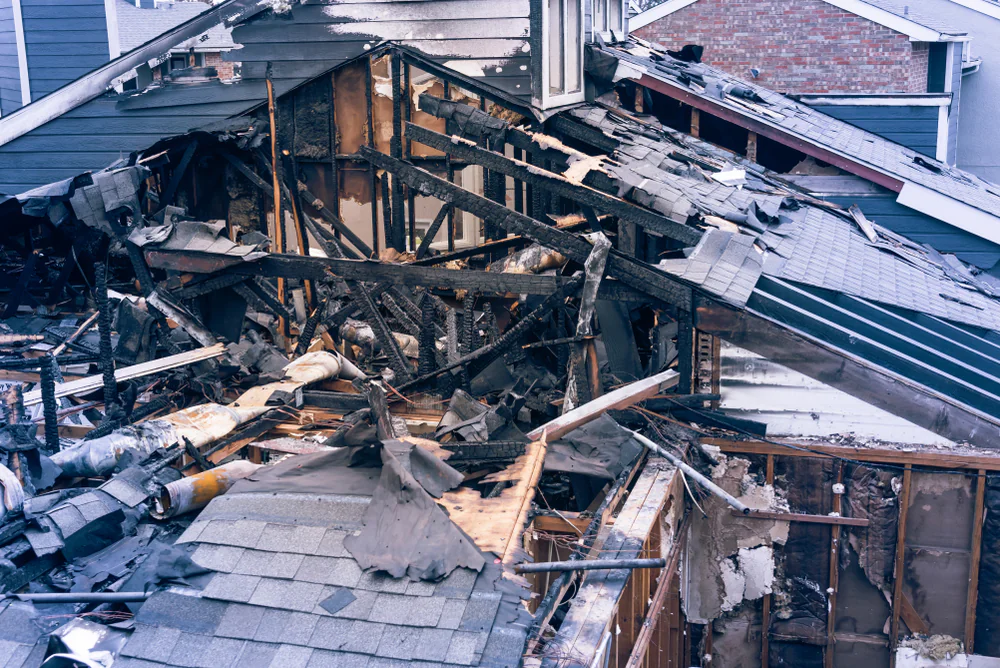
The hidden damage firefighters left behind—water pooling in crawl spaces, foam residue eating into drywall, ash settling into HVAC ducts—gets handled before it turns into mold, rot, or another insurance headache. You’re not discovering problems six months later. You’re moving forward now, with a property that’s actually restored to pre-loss condition, not just patched up and deodorized.
We’ve been handling fire and smoke restoration across the Indianapolis metro area since 2016. We’re IICRC-certified in fire damage restoration, which means we follow the S740 Standard—the industry guideline for restoring fire-damaged property the right way.
College Meadows has a lot of housing built between 1970 and 1999, and older homes come with older wiring, aging HVAC systems, and materials that don’t hold up well to fire or water. We’ve seen it all, and we know what needs to happen fast to prevent secondary damage.
You’ll talk to a real person when you call, day or night. We’re on-site in 60 to 90 minutes, and we start documenting and protecting your property immediately so your claim moves and your recovery starts.
You call. We answer—live, not a voicemail. We’re on-site in College Meadows within 60 to 90 minutes, usually faster.
First thing we do is assess the full scope of damage: fire, smoke, soot, and water from firefighting efforts. We take photos, document everything, and set up containment so soot and smoke odor don’t spread to unaffected areas. HEPA filtration starts immediately.
Within 24 hours, you get a detailed report with photos, moisture maps, and a transparent Xactimate estimate your insurance adjuster will recognize. We handle the claims liaison so you’re not translating restoration language to your insurer.
Then we remove damaged materials, clean soot from salvageable surfaces, treat smoke odor with hydroxyl machines or thermal fogging, and dry out any water damage. If your belongings need off-site cleaning, we pack them out and store them. If your HVAC ducts are contaminated, we clean those too.
Every 48 hours, you get a progress update. When we’re done, we walk you through the finished work and follow up 14 days later to make sure everything’s holding up.
Ready to get started?
You’re getting a full-scope fire damage restoration service, not just a cleanup. That means soot removal from walls, ceilings, and fixtures. Smoke odor elimination using advanced deodorizing equipment. Water extraction and drying from firefighting efforts. Containment and HEPA filtration to protect the rest of your property.
We also handle contents pack-out if smoke has infiltrated most of your building and your belongings need professional cleaning off-site. HVAC duct cleaning is included when smoke has traveled through your system. And if there’s dangerous fire-retardant foam or powder left behind, we remove that safely.
In College Meadows and across Indianapolis, fire damage claims average over $78,000. Your insurance covers emergency mitigation under “additional living expenses,” which activates automatically when you report the fire. We make sure every eligible expense is documented, justified, and submitted correctly so you’re not leaving money on the table or fighting your insurer later.
Older homes in this area—especially those built in the ’70s, ’80s, and ’90s—can have hidden hazards like asbestos-containing materials that get disturbed during a fire. If we find those, we’ll let you know immediately and handle remediation before restoration continues.
We’re on-site in 60 to 90 minutes, and that’s a guarantee, not a goal. When you call our 24/7 line, you talk to a real person who dispatches a certified technician immediately.
Speed matters because soot and smoke are corrosive. They keep damaging your walls, ceilings, fixtures, and belongings long after the flames are out. Every hour you wait, the restoration gets harder and more expensive.
We also start your insurance documentation within the first 24 hours. That means your claim is moving while we’re stopping the damage, so you’re not waiting weeks to find out what’s covered or how much you’re getting. You’re already in recovery mode.
Most homeowners policies cover fire damage restoration, including emergency mitigation costs like soot removal, smoke odor treatment, and water extraction from firefighting efforts. Those expenses usually fall under “additional living expenses” coverage, which activates automatically when you report a fire claim.
The challenge isn’t whether you’re covered—it’s making sure your claim is documented correctly so your insurer approves the full scope of work. That’s where most homeowners lose money. They don’t know what to photograph, how to describe the damage, or what estimates adjusters expect to see.
We handle that. We document everything with photos, moisture maps, and detailed written reports. We use Xactimate pricing, which is the same software your insurance adjuster uses, so there’s no dispute over costs. And we act as your claims liaison, which means we’re talking to your adjuster and making sure all eligible damages are covered and compensated. You’re not translating restoration language or fighting for what you’re owed.
Smoke odor is one of the hardest parts of fire restoration because it’s not just on surfaces—it’s embedded in porous materials like drywall, insulation, upholstery, and wood. Cleaning visible soot doesn’t eliminate the smell.
We use a combination of methods depending on how deep the smoke penetrated. Thermal fogging releases a deodorizing vapor that bonds with smoke particles at the molecular level and neutralizes them. Hydroxyl machines break down odor-causing compounds in the air and on surfaces without leaving any chemical residue.
For materials that can’t be saved—like heavily saturated insulation or charred drywall—we remove and replace them. For belongings like furniture, clothing, or documents, we can pack them out and clean them off-site using specialized equipment. The goal is complete odor elimination, not masking. If you can still smell smoke when we’re done, we’re not done.
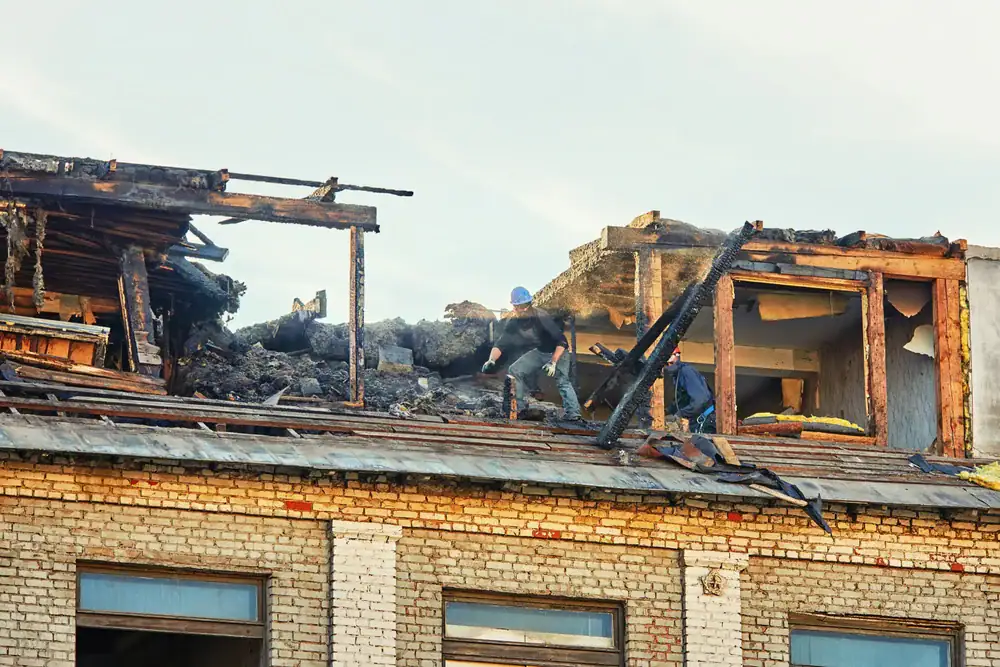
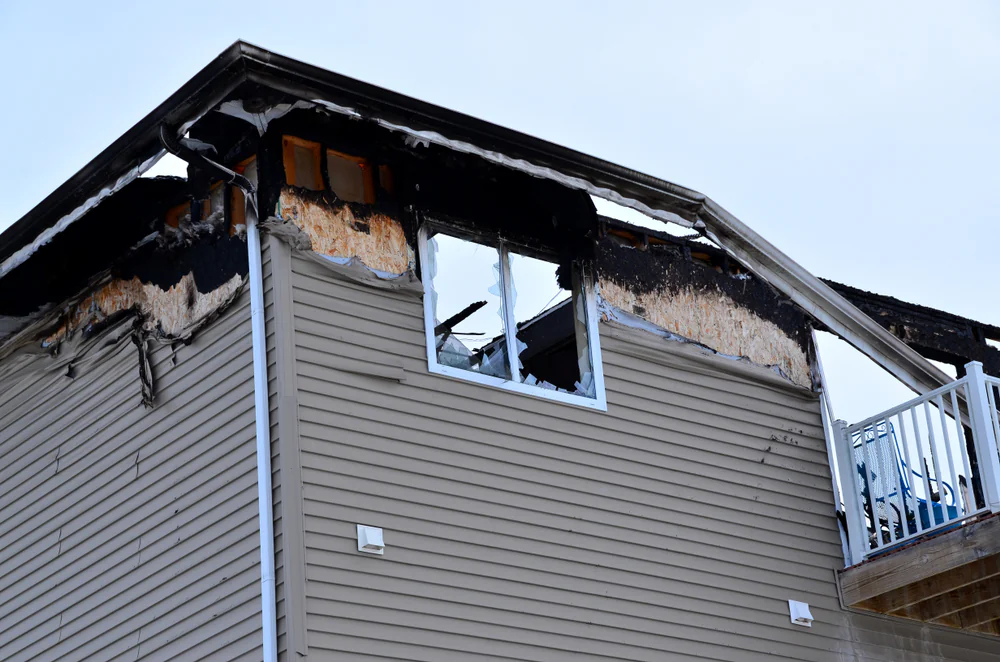
Firefighters do what they have to do to put out the fire, and that often means breaking windows, cutting holes in roofs, and flooding your property with thousands of gallons of water. They also use fire-retardant foams and powders that can be corrosive if left on surfaces too long.
Water damage from firefighting efforts is one of the biggest secondary problems we see. Water pools in crawl spaces, soaks into drywall and insulation, and creates the perfect environment for mold growth within 24 to 48 hours. If it’s not extracted and dried immediately, you’re looking at a mold remediation project on top of fire restoration.
We handle all of it. Water extraction, structural drying, removal of hazardous foam and powder residue, and containment to prevent cross-contamination. We also check for hidden moisture using thermal imaging and moisture meters, so you’re not discovering water damage weeks later when mold is already growing. It’s all part of the fire damage restoration service—you’re not paying extra or calling another company.
It depends on the extent of the damage, but most residential fire restoration projects take anywhere from one week to several weeks. A small kitchen fire with localized smoke damage might be done in a few days. A whole-home fire with structural damage, water intrusion, and contents pack-out can take a month or more.
What slows things down is usually the insurance approval process, not the actual work. If your adjuster needs more documentation or a second estimate, that adds time. That’s why we document everything within 24 hours and act as your claims liaison—we’re keeping your claim moving so the work doesn’t stall.
You’ll get progress updates every 48 hours, so you always know where we are in the process and what’s happening next. And if we run into hidden damage—like asbestos or compromised structural elements—we’ll let you know immediately and explain what needs to happen before we can continue. No surprises, no delays you weren’t warned about.
It depends on the severity of the damage and what kind of work we’re doing. If the fire was contained to one room and there’s no structural instability, you can usually stay in unaffected areas of your home while we work. We use containment barriers and HEPA filtration to keep soot, dust, and odors from spreading.
If the fire caused significant structural damage, or if we’re removing hazardous materials like asbestos, you’ll need to stay somewhere else until the property is safe. Your homeowners insurance typically covers temporary housing under “additional living expenses,” so you’re not paying out of pocket.
We’ll tell you upfront whether it’s safe to stay or not. We’re not going to let you live in a space with compromised air quality or structural risk just to speed up the project. And if you do need to relocate temporarily, we’ll work with your insurance company to make sure those costs are covered and reimbursed quickly.
Other Services we provide in College Meadows