Hear from Our Customers
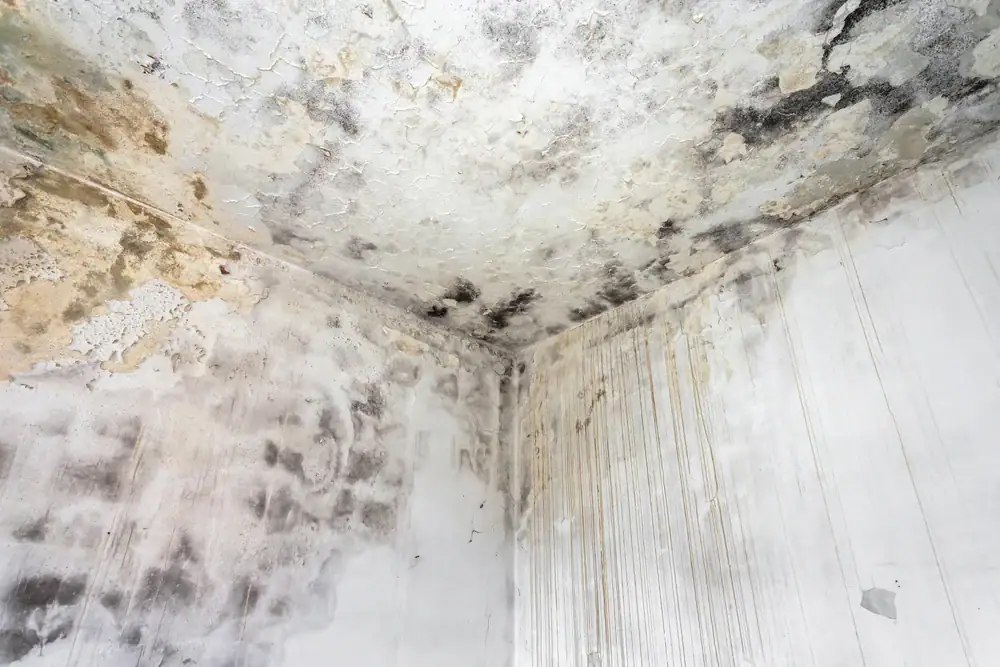
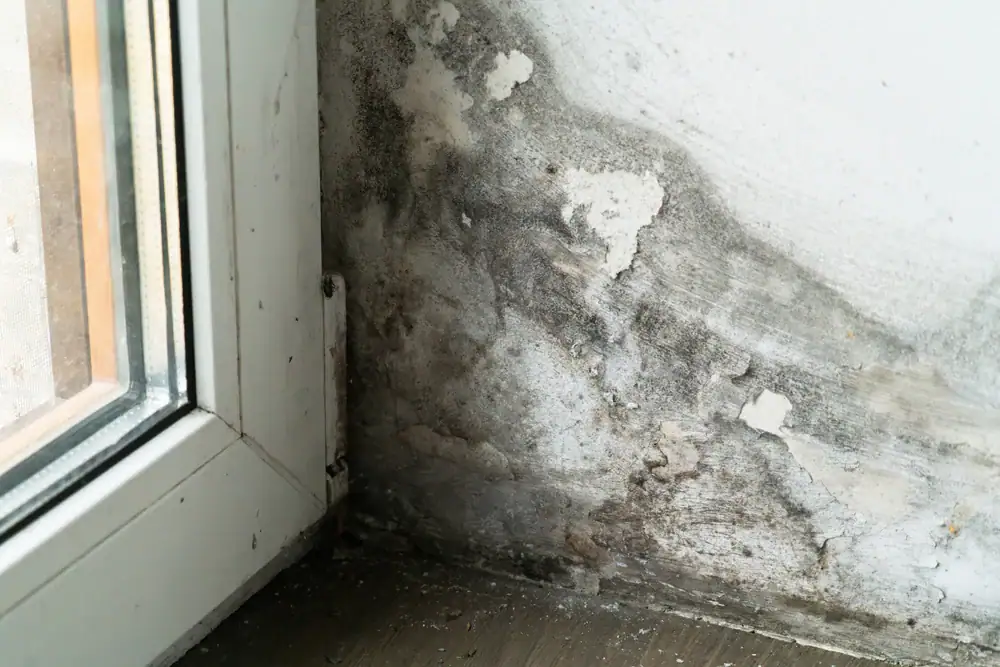
Mold grows fast in Durbin’s humid climate. Within 24 to 48 hours of water exposure, spores colonize. Within a week, you’re looking at visible growth, musty odors, and real health risks.
You need containment that actually works. HEPA filtration, negative air pressure, physical barriers—so mold doesn’t migrate to clean rooms while we’re pulling it out of your basement or crawl space.
You also need someone who knows the difference between surface cleaning and real remediation. Bleach doesn’t kill mold on porous surfaces. Scrubbing without containment launches spores into your HVAC system. DIY fixes often make the problem worse.
What you get here is IICRC-certified black mold removal that addresses the moisture source, removes contaminated materials safely, and verifies the air quality afterward. Your family isn’t breathing spores. Your property value stays intact. The problem doesn’t come back in three months.
We’ve been handling mold emergencies across Central Indiana since 2016. We’re IICRC-certified in Water Damage Restoration, Applied Structural Drying, and Applied Microbial Remediation—the credentials that matter when your health and home are on the line.
We know Durbin’s older housing stock. Homes built before modern moisture barriers face higher mold risk, especially in basements and crawl spaces where humidity sits. We also know Indiana winters—frozen pipes, ice dams, sump pump failures—all create the water intrusion that leads to mold growth.
You’ll reach a live person 24/7, not a voicemail. We’re on-site in 60 to 90 minutes, not tomorrow. And we handle the insurance documentation from day one, so you’re not fighting for coverage while mold spreads.
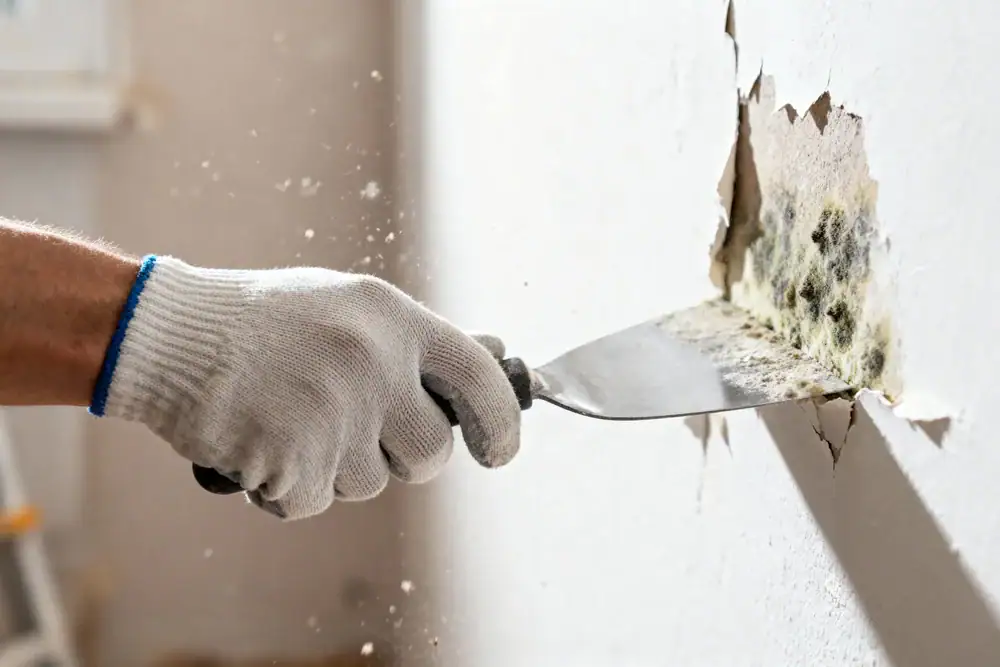
First, we assess the extent of contamination. That means moisture mapping, thermal imaging, and identifying what materials are affected. You’ll know within the first visit whether this is surface mold or a deeper structural issue.
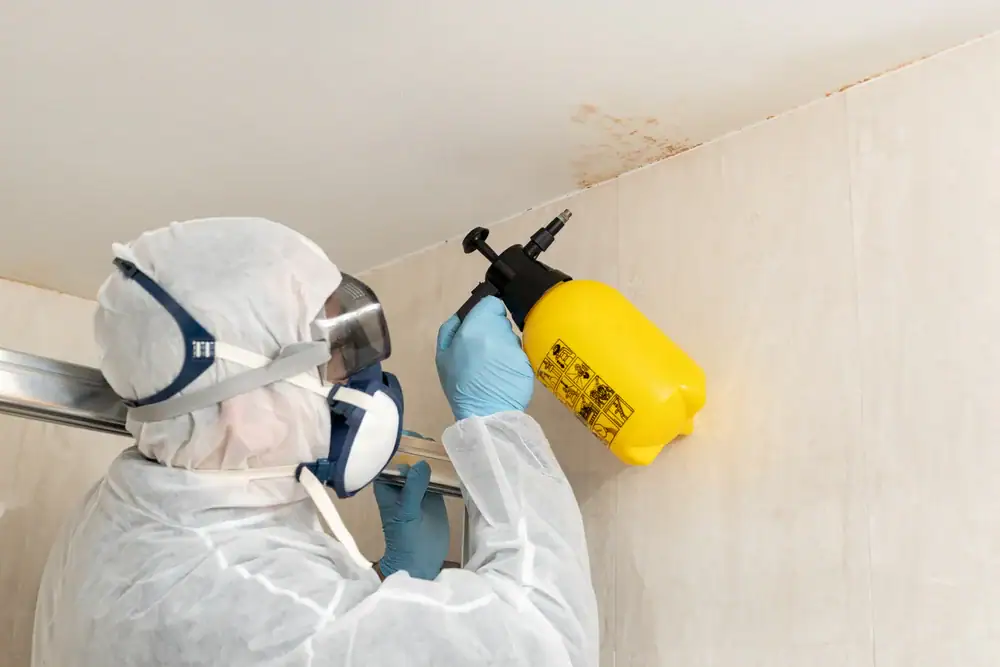
Next, we set up containment. Physical barriers, negative air machines, and HEPA filtration keep spores from spreading to unaffected areas. We’re not tracking mold through your house or releasing it into your air supply.
Then we remove contaminated materials—drywall, insulation, flooring, whatever can’t be salvaged. Porous materials hold mold below the surface. If it’s compromised, it comes out. We also treat surfaces with antimicrobial solutions and dry the space completely, because mold needs moisture to survive.
You get photo documentation and moisture readings within 24 hours. Updates every 48 hours after that. When the job’s done, we walk you through what was removed, what was treated, and what to watch for. Then we follow up in 14 days to make sure nothing’s returned.
Ready to get started?
You’re not just getting mold removal. You’re getting containment systems that prevent cross-contamination, HEPA air scrubbers running continuously during the job, and proper disposal of contaminated materials—not tossed in your driveway.
Indiana’s average humidity hovers around 78% in winter months, and homes without central air conditioning face even higher indoor moisture levels. That’s why we don’t stop at pulling out moldy drywall. We identify the moisture source—leaking foundation, poor ventilation, condensation issues—and give you a clear plan to prevent recurrence.
We also coordinate with your insurance company. That means Xactimate pricing, detailed photo logs, moisture maps, and progress reports formatted the way adjusters expect. You’re not translating contractor language into claim language. We handle that.
If you need contents packed out while we work, we do that. If your crawl space needs structural drying after we remove mold, we handle that too. And if the job uncovers additional water damage or requires HVAC duct cleaning, you’re working with one team, not juggling three different contractors.
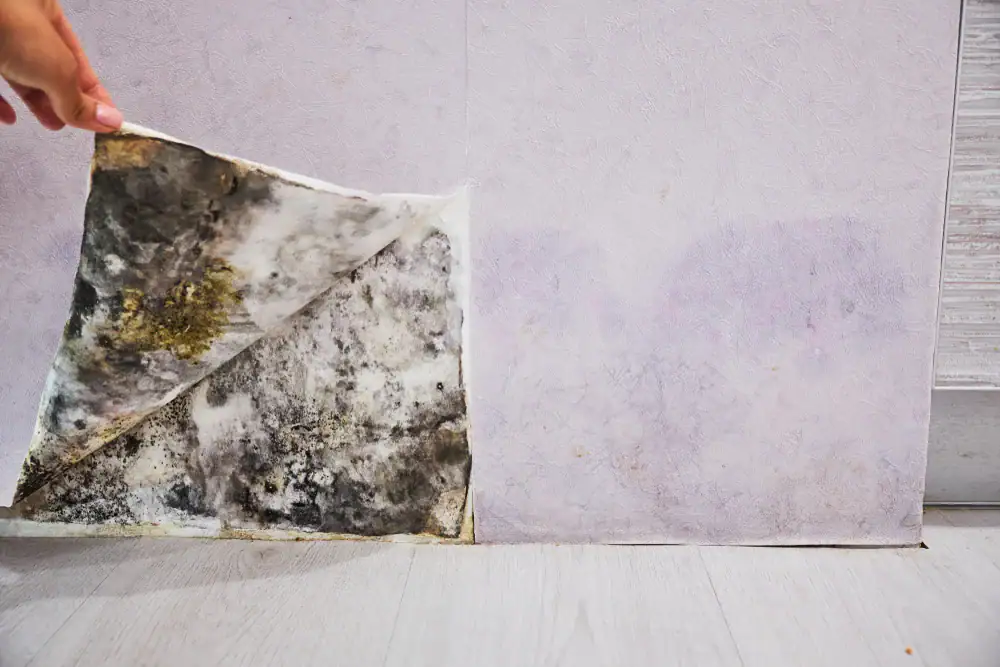
Mold spores begin colonizing within 24 to 48 hours of water exposure. In Durbin’s humid climate, that window can be even shorter, especially in basements, crawl spaces, or areas with poor ventilation.
Visible growth usually appears within three to five days, but the problem starts long before you see it. Spores are microscopic. By the time you notice discoloration or smell that musty odor, mold has already taken hold in porous materials like drywall, insulation, and wood framing.
Speed matters because early intervention keeps a small problem from becoming a gut job. If you’ve had a pipe burst, roof leak, or sump pump failure, don’t wait to see if mold appears. Get a professional mold inspection within 48 hours. Catching it early saves you money, protects your health, and keeps the remediation scope manageable.
If it’s a tiny surface spot on a non-porous material—like a bit of mildew on a tile grout line—you can probably handle it with proper ventilation and protective gear. Anything larger than a few square feet, anything on porous materials, or anything involving your HVAC system requires professional mold remediation services.
Here’s why. Scrubbing mold releases spores into the air. Without containment and HEPA filtration, you’re spreading the problem to other rooms. Bleach only kills surface mold on non-porous materials—it doesn’t penetrate drywall, wood, or insulation, so the roots stay alive and regrow.
Professional remediation includes containment barriers, negative air pressure, antimicrobial treatments, and complete removal of compromised materials. We also address the moisture source, which DIY methods ignore. If you don’t fix the leak, the condensation issue, or the ventilation problem, mold comes back. You’ll spend more money and expose your family to more health risks trying to save a few hundred dollars upfront.
It depends on what caused the mold. If mold resulted from a sudden, accidental event—like a burst pipe, storm damage, or appliance malfunction—most homeowners policies in Indiana will cover remediation. If mold developed from long-term neglect, poor maintenance, or gradual leaks you didn’t address, coverage is unlikely.
Insurance companies require documentation. That means photos of the damage, moisture readings, a clear timeline of the water event, and an estimate using industry-standard pricing software like Xactimate. If you wait weeks to report the problem or try DIY fixes first, your claim gets harder to approve.
We act as your claims liaison. We document everything within 24 hours, communicate directly with adjusters, and provide the detailed reporting insurance companies expect. We’ve worked with every major carrier in Indiana. We know what they require, how they evaluate mold claims, and how to position your case for maximum coverage. You’re not navigating that process alone.
All mold growth indoors is a problem, but some types pose greater health risks than others. Black mold—Stachybotrys chartarum—produces mycotoxins that can cause respiratory issues, cognitive problems like brain fog, and immune system suppression with repeated exposure. Other molds trigger asthma, allergic reactions, and chronic sinus issues.
You can’t identify mold species by looking at it. Color doesn’t tell you much—black mold isn’t always black, and not all black-colored mold is Stachybotrys. If you’re experiencing unexplained respiratory symptoms, persistent headaches, or worsening allergies after water damage, assume the mold is dangerous until proven otherwise.
A professional mold inspection includes air quality testing and surface sampling. Lab analysis identifies the species and concentration levels. That tells you whether you’re dealing with a minor irritant or a serious health hazard. Either way, the mold needs to go. But knowing what you’re dealing with helps you understand the urgency and the scope of remediation required.
Mold removal means cleaning visible mold off surfaces. Mold remediation means restoring your indoor environment to safe, normal fungal levels—which includes removing contaminated materials, treating affected areas, controlling moisture, and verifying air quality afterward.
You can’t remove every single mold spore from a building. Spores exist everywhere, indoors and out. The goal isn’t sterility. The goal is reducing mold to levels that don’t pose health risks or cause structural damage, and eliminating the moisture conditions that allow mold to grow.
Remediation addresses the root cause. If you have mold in your basement, we don’t just spray it and paint over it. We identify why moisture is accumulating—foundation crack, poor grading, humidity from a dirt crawl space—and give you a plan to fix it. Otherwise, you’re paying for the same service again in six months. Real remediation solves the problem, not just the symptom.
Most residential mold remediation jobs in Durbin take two to five days, depending on the extent of contamination and the size of the affected area. A single-room job with surface mold might be done in 48 hours. A full basement with structural damage and HVAC involvement can take a week or more.
Drying time drives the schedule. After we remove contaminated materials and treat surfaces, the space has to dry completely before we can close it up. Indiana’s humidity slows that process, especially in crawl spaces and basements with poor airflow. We use commercial dehumidifiers and air movers to speed it up, but you can’t rush it. Sealing moisture into walls just creates another mold problem.
You’ll get a timeline after the initial assessment. We update you every 48 hours with photos, moisture readings, and progress notes. If we uncover additional damage—hidden mold behind cabinets, compromised floor joists—we’ll walk you through what that means for the schedule and cost before we proceed. No surprises.
Other Services we provide in Durbin