Hear from Our Customers
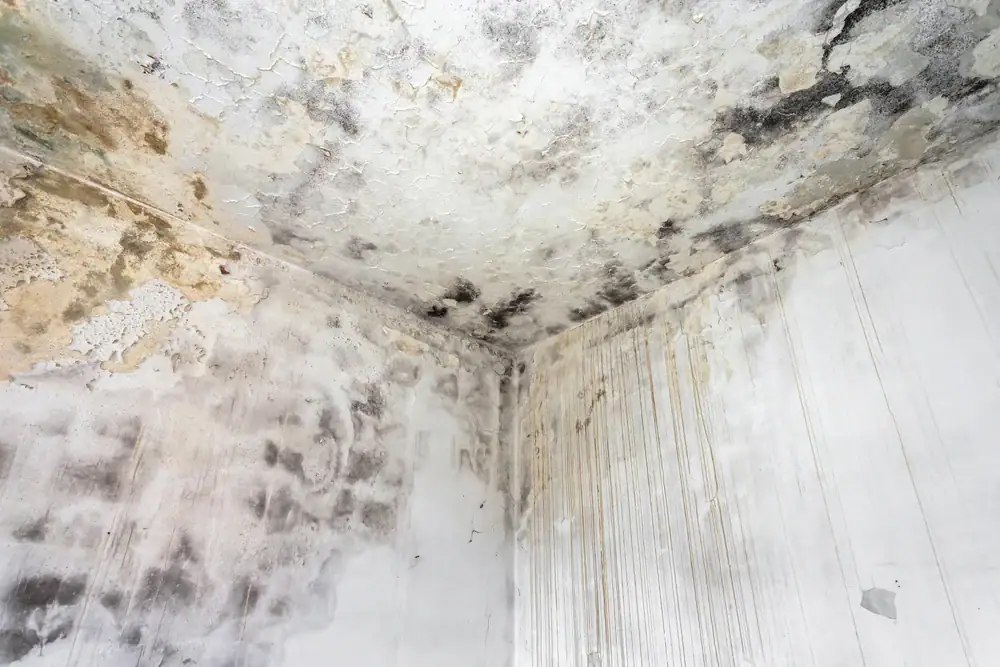
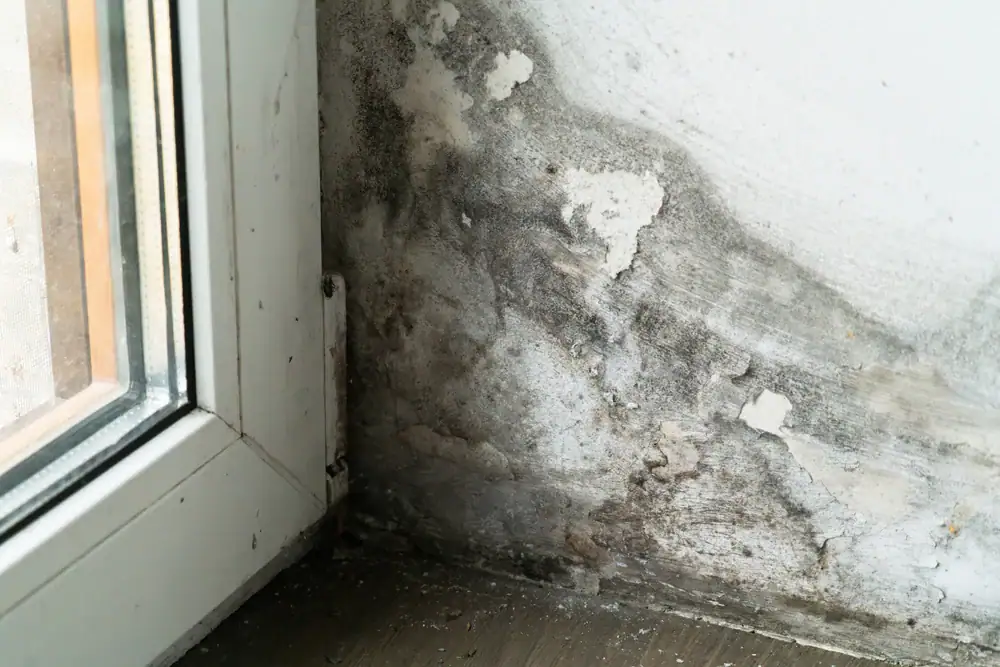
You’re not just paying to scrub visible spots off a wall. You’re investing in air quality your family can breathe without worry, property value that holds when it’s time to sell, and the confidence that mold won’t reappear in three months because someone missed the moisture source.
Real mold remediation addresses what you can see and what you can’t. That means containment barriers so spores don’t spread during cleanup. HEPA filtration running throughout the job. Thermal imaging and moisture meters to find hidden water intrusion in crawl spaces, behind drywall, or under flooring.
When the work is done, you get documentation proving the job was completed to IICRC standards. Your insurance company gets the reports they need. You get a 14-day follow-up to confirm the environment stays dry and clear. Most importantly, you get your home back without the health risks or the resale stigma that comes with a mold problem.
We’ve been handling mold emergencies across the Indianapolis area since 2016. We’re IICRC-certified in Water Restoration, Applied Structural Drying, and Mold Remediation—not because it looks good on a website, but because those certifications mean we follow EPA-compliant protocols that actually work.
Hawthorn Hills, IN homes face specific challenges. Clay soil that holds water against foundations. Humid summers that turn basements into condensation factories. Older housing stock with crawl spaces that weren’t built with modern moisture barriers. We’ve seen it all, and we know how to fix it permanently.
You’ll reach a live person when you call, day or night. We’re on-site in 60 to 90 minutes. We coordinate directly with your insurance carrier using Xactimate pricing, so you’re not stuck translating between adjusters and contractors. BBB-accredited, fully insured, and equipped to document every step of the process with the kind of detail that satisfies both insurance requirements and your own peace of mind.
First, we answer the phone. No voicemail, no callback queue—a trained technician picks up and starts gathering information while dispatch sends a crew to your location.
When we arrive, we assess the full scope. That includes visible mold growth, moisture readings throughout affected areas, thermal imaging to detect hidden water intrusion, and air quality considerations. You get an honest evaluation of what needs to be removed, what can be cleaned, and what’s driving the moisture problem in the first place.
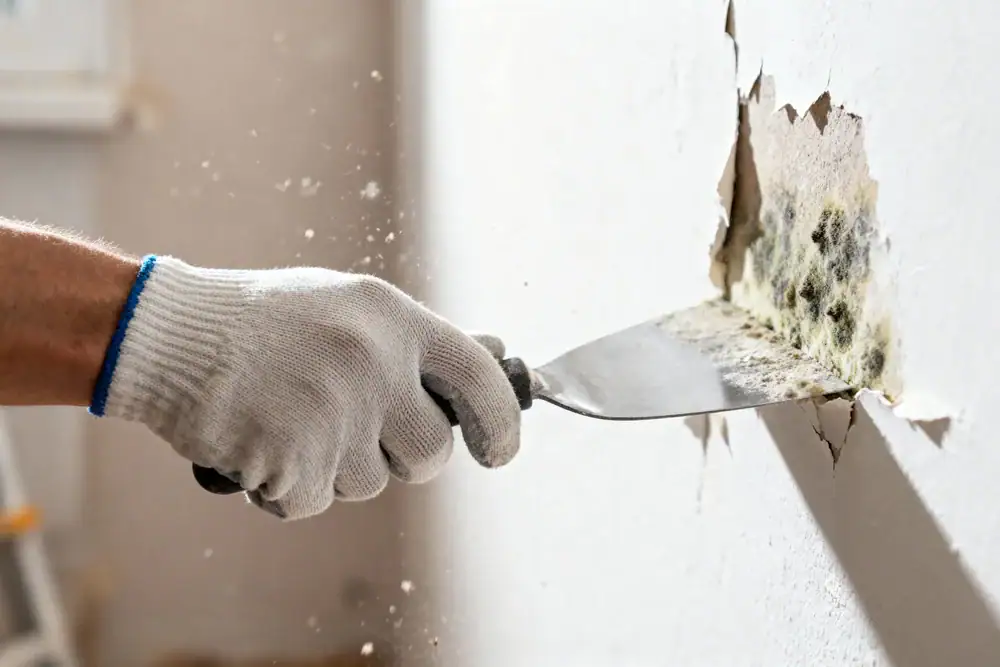
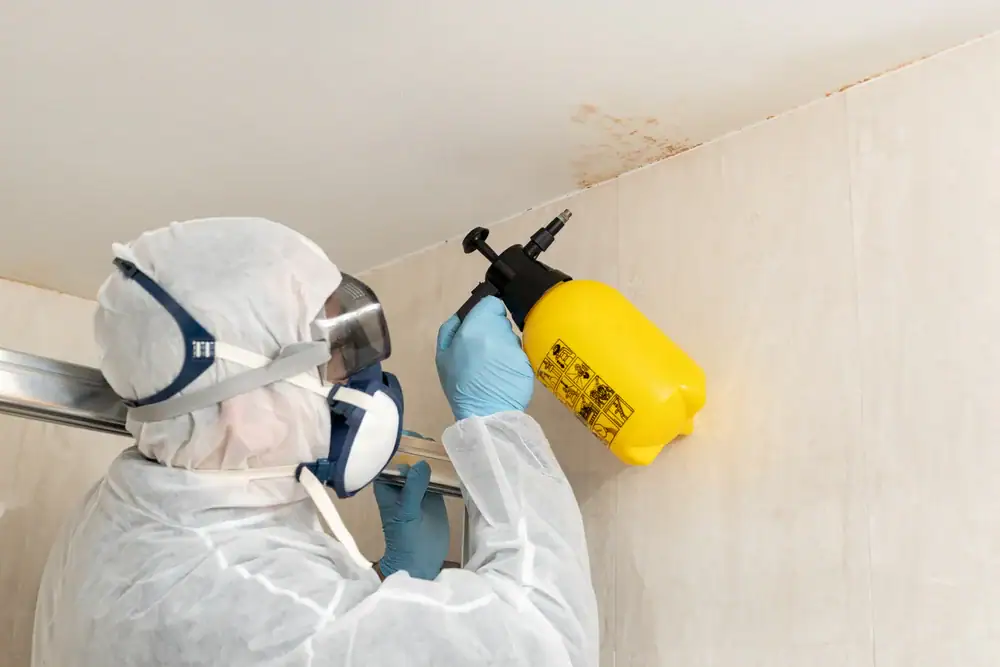
Next comes containment. We seal off the work area with plastic barriers and negative air pressure so mold spores don’t migrate into clean parts of your home. HEPA air scrubbers run continuously. Affected materials get removed following IICRC protocols—no shortcuts that leave contamination behind. We treat surfaces with antimicrobial solutions where appropriate and dry everything thoroughly using commercial dehumidifiers and air movers.
Throughout the job, you receive photo documentation and moisture mapping within 24 hours, then progress updates every 48 hours. Once remediation is complete, we conduct a walkthrough with you, provide all final reports for insurance, and schedule a two-week follow-up to verify the environment is staying dry. If your insurance covers the loss, we bill them directly. If you’re paying out of pocket, we offer discounts for military members, seniors, first responders, and teachers.
Ready to get started?
Mold remediation isn’t just about removing what you can see. It’s about eliminating the conditions that let mold grow in the first place, then proving the work was done right.
You get full containment with HEPA filtration to protect unaffected rooms. Moisture mapping using professional-grade meters and thermal cameras to locate hidden water sources. Safe removal of contaminated materials—drywall, insulation, flooring, whatever can’t be salvaged. Antimicrobial treatment of structural elements that remain. Thorough drying with commercial equipment, not box fans from a hardware store.
Hawthorn Hills, IN properties often deal with basement moisture from poor exterior drainage or sump pump failures. Crawl spaces with inadequate vapor barriers. HVAC systems that circulate humid air and spread spores. We address those root causes as part of the remediation process, whether that means recommending drainage improvements, installing vapor barriers, or cleaning ductwork after mold events.
Every job includes detailed photo documentation for insurance claims, moisture logs that track drying progress, and a post-remediation report you can show to buyers, lenders, or future insurers. If contents need to be moved and stored during the work, we handle that too. If odors linger after visible mold is gone, we have commercial-grade neutralization equipment. The goal is a complete resolution, not a temporary patch.
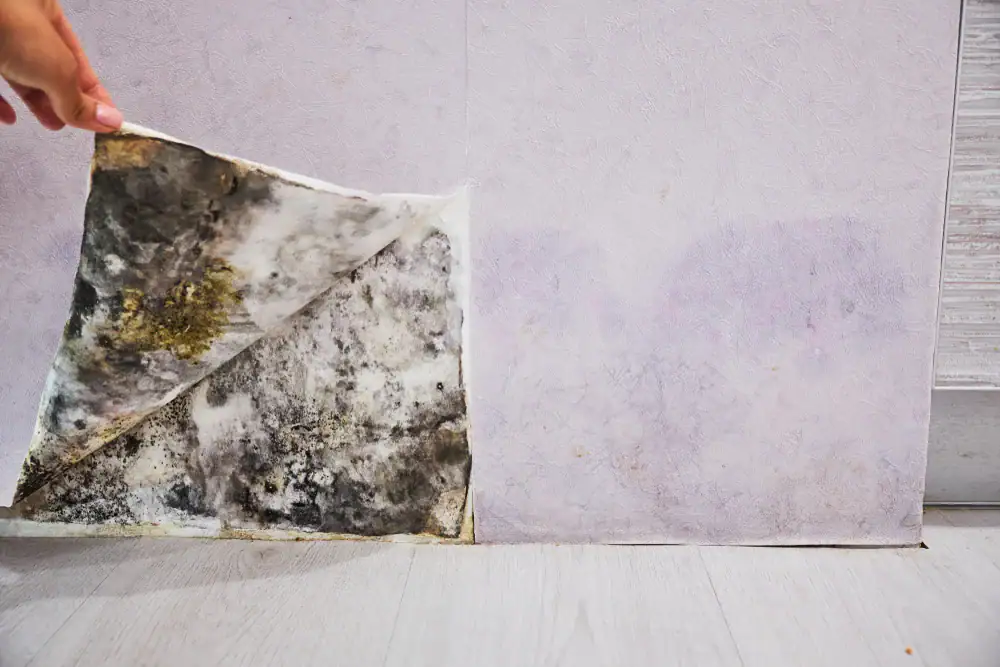
We’re on-site in 60 to 90 minutes after your call, any time of day or night. Mold grows fast—research shows significant colonization can happen within 24 to 72 hours of water intrusion—so speed matters.
Our trucks are stocked with containment materials, HEPA air scrubbers, moisture meters, and initial remediation supplies. That means we can start containment and assessment immediately, not schedule a follow-up visit after we “gather equipment.” You’ll have a live person on the phone when you call, not an answering service that pages someone eventually.
Fast response limits how far mold spreads, reduces the amount of material that needs removal, and often makes the difference between a manageable insurance claim and a total gut job. If you’re smelling musty odors, seeing discoloration, or dealing with water damage that hasn’t been dried properly, waiting doesn’t help.
It depends on what caused the mold. Most homeowners policies cover mold remediation if it resulted from a covered peril—like a burst pipe, appliance leak, or storm damage—as long as you didn’t ignore the problem for months.
They typically won’t cover mold from long-term maintenance issues like chronic basement seepage, ongoing roof leaks you never fixed, or high humidity you didn’t address. Insurance adjusters look for sudden, accidental water events, not gradual neglect.
We work directly with insurance carriers using Xactimate pricing, which is the same estimating software most adjusters use. That alignment eliminates the back-and-forth over line items and speeds up claim approval. We provide all the documentation your carrier needs: moisture maps, photo logs, scope of work, and progress reports. If your claim gets approved, we bill the insurance company directly. If it doesn’t, or if you prefer to pay out of pocket, we offer transparent pricing and discounts for military, seniors, first responders, and teachers on non-insurance jobs.
Cleanup usually means scrubbing visible mold off surfaces and calling it done. Remediation means eliminating the mold, fixing the moisture problem that caused it, and restoring air quality to safe levels.
True mold remediation follows IICRC S520 standards. That includes containment to prevent cross-contamination, HEPA filtration during the work, proper removal of materials that can’t be salvaged, antimicrobial treatment where appropriate, and thorough drying of structural elements. It also means identifying and addressing the water source—whether that’s foundation drainage, plumbing leaks, HVAC condensation, or crawl space humidity.
If someone just wipes down mold with bleach and repaints, you’ll see it again in weeks or months because the underlying moisture issue wasn’t resolved. Worse, disturbing mold without containment spreads spores throughout your home. Our technicians are IICRC-certified specifically in mold remediation, not just general cleaning. We use moisture meters and thermal imaging to find hidden problems. We document everything so you have proof the job was done right, which matters when you sell the property or file an insurance claim.
Most residential mold remediation projects in Hawthorn Hills, IN take three to five days, but the timeline depends on the extent of contamination, the materials involved, and how long it takes to dry structural elements.
A small bathroom mold issue from a leaking shower might be a two-day job: one day for containment, removal, and treatment, another day for drying and final clearance. A finished basement with mold behind drywall and in carpet padding could take a week, especially if we’re waiting for concrete or framing to reach safe moisture levels before reconstruction starts.
We don’t rush drying just to close the job faster. Moisture meters have to show readings below 15% in wood framing and below acceptable thresholds in concrete before we consider the environment stable. Putting materials back too soon just invites mold to return. You’ll get progress updates every 48 hours so you know exactly where things stand. If contents need to be stored off-site during the work, we coordinate that. If you need temporary housing while the work happens, we’ll document that for your insurance claim.
It depends on the scope of work and where the mold is located. Small, contained projects—like a bathroom or single closet—usually allow you to stay in the home as long as we maintain proper containment and negative air pressure in the work area.
Larger projects involving multiple rooms, HVAC contamination, or extensive airborne spore counts may require temporary relocation, especially if you have young children, elderly family members, or anyone with respiratory conditions. Disturbing mold releases spores into the air, and even with HEPA filtration and containment barriers, we can’t guarantee zero migration in an occupied home during active demo.
We’ll give you an honest assessment during the initial inspection. If staying in the home is safe, we’ll explain what precautions we’re taking—sealed containment zones, HEPA air scrubbers running 24/7, shoe covers, and controlled entry points. If relocation makes more sense, we’ll document that recommendation for your insurance claim. Most policies cover additional living expenses when your home is uninhabitable due to a covered loss. We’re not going to tell you it’s fine to stay just to make the job easier on us.
Humidity and water intrusion, mostly driven by Indiana’s climate and the area’s soil conditions. Hawthorn Hills, IN sits in a region with clay-heavy soil that doesn’t drain well, which means water pools around foundations and seeps into basements and crawl spaces.
Summers here are humid—often hitting 70% to 80% relative humidity outdoors, and basements naturally run even higher because of temperature differentials between hot outdoor air and cool foundation walls. That condensation alone can trigger mold growth on organic materials like drywall, wood framing, and insulation. Add a sump pump failure during spring rains or a slow plumbing leak behind a finished wall, and you’ve got ideal conditions.
Older homes in the area often lack proper crawl space vapor barriers or adequate foundation drainage. HVAC systems that aren’t sized correctly or maintained regularly can circulate moist air and spread mold spores. Frozen pipes that burst during winter thaws are another common trigger. We see all of it. The key is addressing both the visible mold and the moisture source—better grading, vapor barriers, dehumidification, gutter extensions, whatever it takes to keep water out and humidity down.
Other Services we provide in Hawthorn Hills