Hear from Our Customers
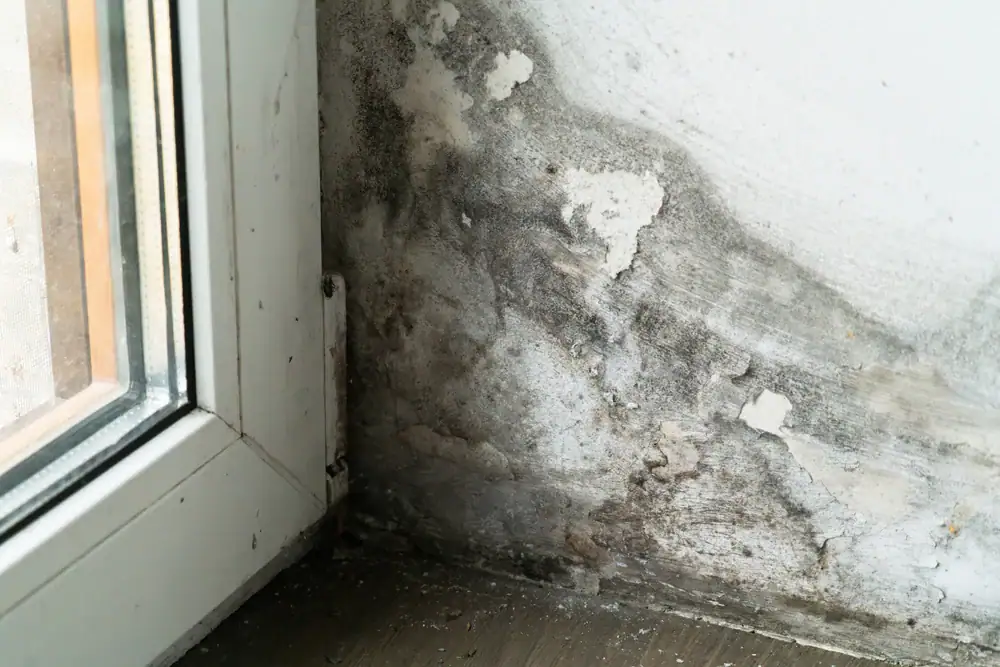
You stop wondering if that musty smell is making your kids sick. You stop second-guessing whether the problem’s really fixed or just covered up. You get documentation that shows exactly what was found, what was removed, and what the air quality looks like now.
Mold remediation isn’t about scrubbing visible spots and hoping for the best. It’s about containment that keeps spores from spreading to clean rooms, HEPA filtration that pulls contamination out of the air, and moisture control that addresses why it grew in the first place.
When the work’s done, you’re not left guessing. You get third-party verification, a walkthrough that explains what happened, and a 14-day follow-up to make sure nothing’s coming back. That’s what complete looks like.
We handle mold remediation across Urmeyville, Johnson County, and the greater Indianapolis area. We’re IICRC-certified in water restoration, structural drying, and microbial remediation—the credentials that matter when your home’s on the line.
You’ll reach a real person when you call, not a voicemail. We’re on-site in 60 to 90 minutes, not tomorrow. And we know how Indiana homes behave—the clay soil that shifts foundations, the freeze-thaw cycles that crack basement walls, the humidity that turns crawl spaces into mold farms.
We’ve worked with every major insurance carrier in the area. We bill directly through Xactimate, assign you a dedicated claims liaison, and document everything so you’re not fighting for coverage while your home sits contaminated.
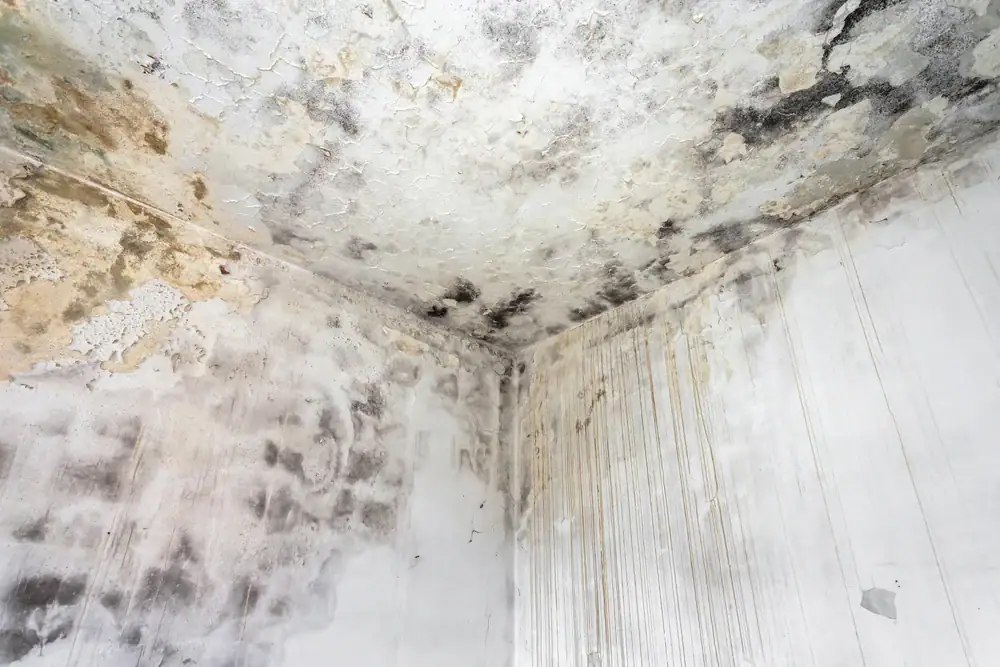
First, we assess the extent of contamination with moisture mapping and visual inspection. You’ll know what’s affected, what’s salvageable, and what needs to go. We document everything with photos because your insurance adjuster will ask for them.
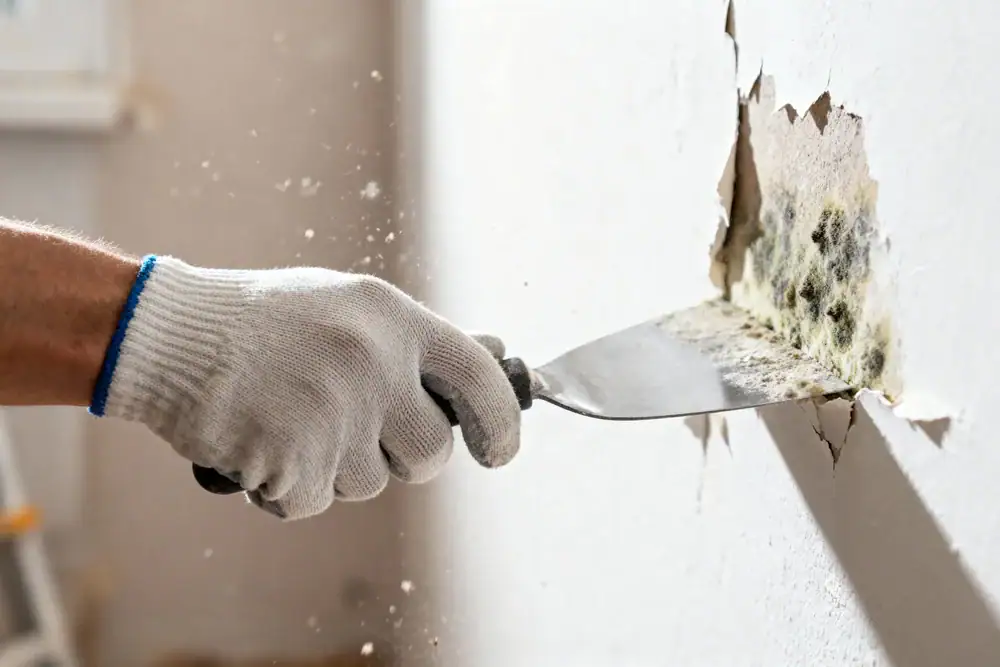
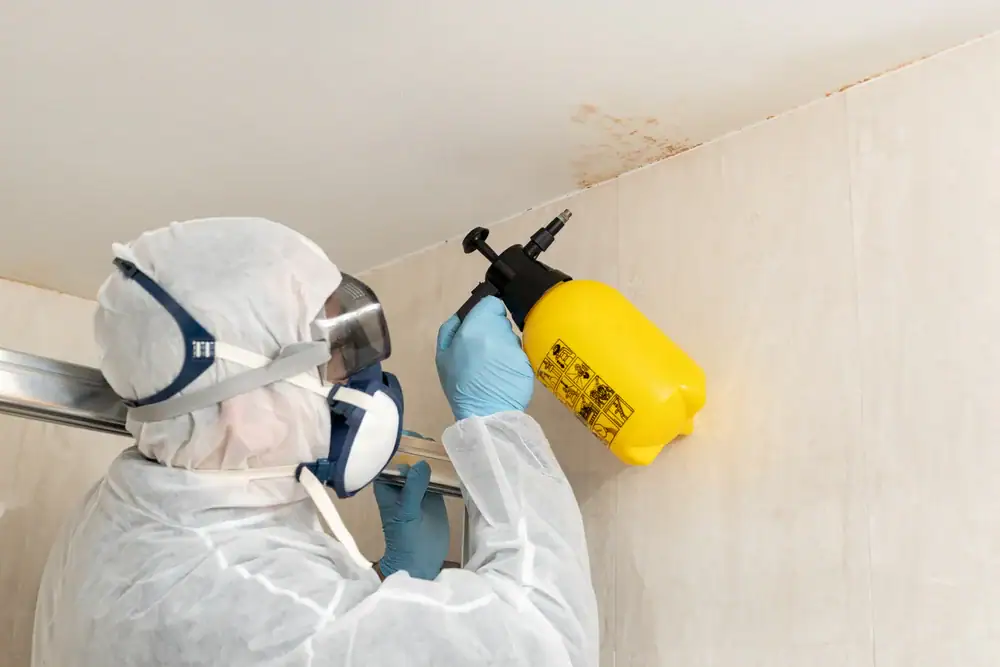
Next, we contain the work area with physical barriers and negative air pressure so mold spores don’t migrate into your living room or bedrooms. HEPA filtration runs continuously. Affected materials—drywall, insulation, anything porous that can’t be saved—get removed and disposed of properly.
Then we treat surfaces, dry out the structure, and address the moisture source. A leaking pipe, failed sump pump, or foundation crack doesn’t fix itself. We identify it, and either handle the repair or connect you with someone who can.
Finally, we bring in an independent third party to test the air and confirm spore counts are back to normal. You get a clearance report before any reconstruction starts. Two weeks later, we follow up to make sure you’re still clear.
Ready to get started?
You’re not just paying for mold removal. You’re paying for containment barriers, HEPA air scrubbers, antimicrobial treatment, moisture control, and disposal of contaminated materials. You’re paying for someone to show up in shoe covers, protect your unaffected spaces, and not track spores through your house.
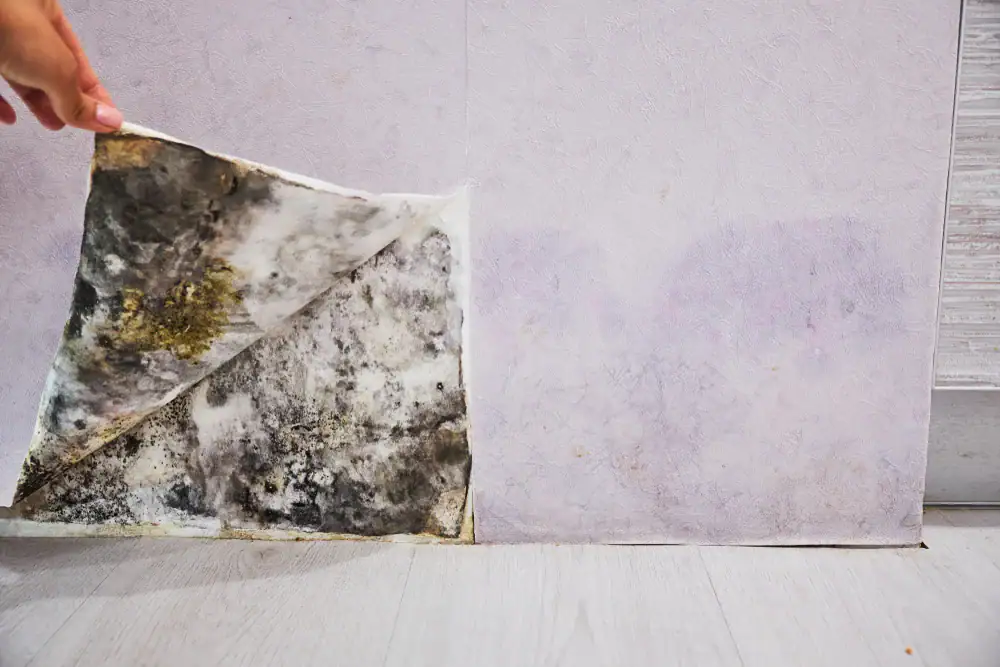
In Urmeyville and Johnson County, basement mold is the most common call we get. Older homes, high water tables, and clay soil create the perfect conditions. We handle crawl space remediation, attic mold from roof leaks, and hidden growth behind walls from slow plumbing failures.
We also handle the insurance piece. Most policies cover mold if it resulted from a sudden event—burst pipe, storm damage, appliance failure. We’ll photograph the source, map the moisture, and build the documentation your carrier needs. If it’s not covered, we’ll tell you up front and offer financing options or payment plans.
Every project includes progress photos within 24 hours, updates every 48 hours, post-remediation verification, and a two-week follow-up visit. That’s standard, not an upsell.
Most residential mold remediation projects in the Urmeyville and Indianapolis area run between $1,500 and $6,000, depending on the size of the affected area, the type of materials involved, and whether structural drying or repairs are needed. A small bathroom might cost $1,500. A finished basement with contaminated drywall, insulation, and flooring can easily reach $5,000 or more.
If your mold resulted from a covered peril—like a burst pipe or storm damage—your homeowners insurance may cover the remediation up to your policy’s mold limit, which is typically $10,000. We bill insurance directly using Xactimate, the same software adjusters use, so there’s no markup confusion or surprise costs.
For non-insurance jobs, we offer upfront pricing after the inspection and discounts for military members, seniors, first responders, and teachers. You’ll know what it costs before we start, and we don’t charge for the initial assessment if you move forward with the work.
It depends on what caused the mold. If mold developed because of a sudden, accidental event that’s covered under your policy—like a pipe burst, roof leak during a storm, or appliance malfunction—most Indiana homeowners policies will cover remediation up to the mold coverage limit, usually around $10,000.
If the mold resulted from long-term neglect, lack of maintenance, or ongoing moisture problems you didn’t address, coverage will likely be denied. Insurance companies expect you to maintain your home and fix leaks promptly. That’s why documentation matters.
We help by photographing the water source, mapping moisture levels, and creating a timeline that shows the mold resulted from a covered event, not gradual neglect. Our claims liaison works directly with your adjuster to streamline approvals and make sure you’re getting the full benefit you’re entitled to. If your claim gets denied, we’ll explain why and discuss your options—including financing or payment plans if you need to move forward out-of-pocket.
A small, contained area like a bathroom or closet usually takes one to two days. A larger project—like a basement with widespread contamination—can take three to five days, depending on how much material needs to be removed, how long drying takes, and whether we’re waiting on third-party clearance testing.
The timeline breaks down like this: Day one is assessment, containment setup, and removal of affected materials. Days two and three involve drying, treatment, and air filtration. Day four or five is post-remediation testing and clearance. If the air quality passes, we release the space and schedule your follow-up.
Weather and humidity can affect drying times, especially in Indiana’s summer months when humidity regularly tops 60%. We use dehumidifiers and air movers to speed the process, but we won’t rush it and risk leaving moisture behind. You’ll get progress updates every 48 hours so you know exactly where things stand.
Mold removal usually means scrubbing or wiping visible mold off a surface. It’s surface-level work that doesn’t address the root system, the airborne spores, or the moisture problem that caused it. Most DIY mold removal actually makes things worse by spreading spores during cleaning.
Mold remediation is a complete process that follows IICRC S520 standards. It includes containment to prevent cross-contamination, HEPA filtration to remove airborne spores, removal of porous materials that can’t be saved, treatment of salvageable surfaces, structural drying, and moisture source correction. The goal isn’t just to remove what you can see—it’s to return your indoor air quality to normal, healthy levels and prevent regrowth.
Real remediation ends with third-party verification testing. An independent inspector tests the air to confirm spore counts are back to baseline. That’s the only way to know the job’s actually done. If someone’s offering “mold removal” without containment, air filtration, or post-testing, you’re not getting remediation—you’re getting a temporary cover-up.
It depends on the size and location of the contaminated area. If we’re remediating a small bathroom or closet and can fully contain it with plastic barriers and negative air pressure, you can usually stay in the home as long as you avoid the work area. We seal off the space, run HEPA air scrubbers, and keep spores from migrating into your living areas.
If the contamination is extensive—like a full basement, multiple rooms, or areas near your HVAC system—we’ll recommend temporary relocation, especially if you have young children, elderly family members, or anyone with asthma or immune issues. Disturbing mold releases spores into the air, and even with containment, some risk exists during active removal.
We’ll assess your specific situation during the initial inspection and give you an honest recommendation. If relocation makes sense, we’ll work with your insurance company to see if your policy includes Additional Living Expenses (ALE) coverage, which can pay for a hotel or rental while the work’s being done. Your safety comes first, and we won’t downplay risk just to make the job easier.
You can’t tell by looking at it. “Black mold” usually refers to Stachybotrys chartarum, a greenish-black mold that can produce mycotoxins under certain conditions. But plenty of other mold species also appear black or dark green, and some are far less concerning. Color alone doesn’t tell you anything about toxicity or health risk.
The only way to identify the species is through lab testing, which involves collecting samples and sending them to a certified lab for analysis. Most of the time, species identification doesn’t change the remediation approach—all mold gets treated the same way under IICRC standards. What matters more is the extent of contamination, the materials affected, and the moisture source.
If you’re experiencing symptoms like persistent coughing, headaches, or respiratory issues and you suspect mold, focus on getting the contamination professionally assessed and removed rather than worrying about the exact species. We’ll conduct a thorough inspection, map the moisture, and determine whether you need remediation. If testing makes sense for your situation—like if you’re dealing with a legal dispute or insurance claim that requires it—we can arrange it. But in most residential cases, visible mold means you need remediation, regardless of the type.
Other Services we provide in Urmeyville