Hear from Our Customers
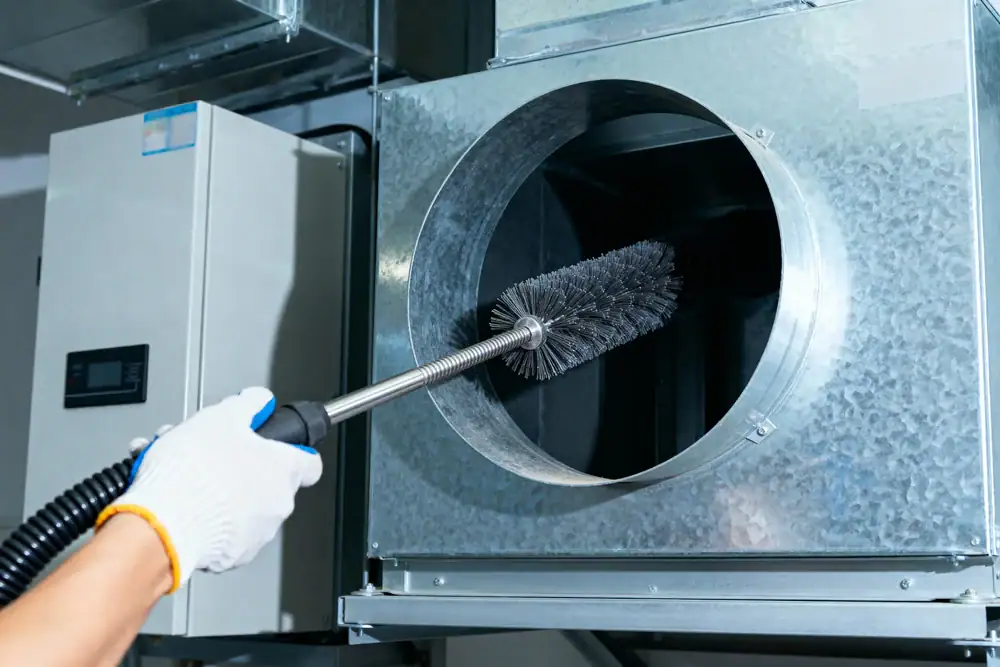
Dirty ductwork doesn’t just circulate dust. It forces your heating and cooling system to burn more energy pushing air through clogged passages. Studies show you can waste up to 40% of your HVAC energy when debris builds up on blowers and coils.
Clean ducts mean better airflow. Better airflow means your system cycles less, runs quieter, and costs less to operate month after month.
You’ll also reduce what’s floating around your home. Pet dander, pollen, mold spores, and construction dust all settle in ductwork. Every time your system kicks on, it redistributes that load. If anyone in your house deals with asthma, allergies, or respiratory sensitivity, you already know how much that matters.
And if you’ve got a dryer vent that hasn’t been cleaned in years, you’re sitting on one of the most common fire hazards in residential properties. Lint doesn’t just slow down drying times. It ignites. Thousands of dryer fires happen every year because vents weren’t maintained.
We’ve been serving Hawthorn Hills and the greater Indianapolis area since 2016. We’re not a franchise call center. We’re a locally operated, IICRC-certified restoration company that handles air duct cleaning the same way we handle water damage and mold remediation: with speed, documentation, and real accountability.
Our techs are trained in water restoration, applied structural drying, and microbial remediation. That background matters when you’re cleaning ductwork after a fire, flood, or mold event. But it also matters on standard residential jobs, because we understand how airflow, moisture, and contamination actually work inside your home.
We answer our line 24/7. If you call, you’ll talk to a real person who can get someone on-site in 60 to 90 minutes if it’s urgent. We wear shoe covers, set up containment when needed, and send you photo documentation within 24 hours. Hawthorn Hills homes deal with humidity, freeze events, and aging HVAC systems. We’ve seen what happens when ducts go years without attention, and we know how to fix it right.
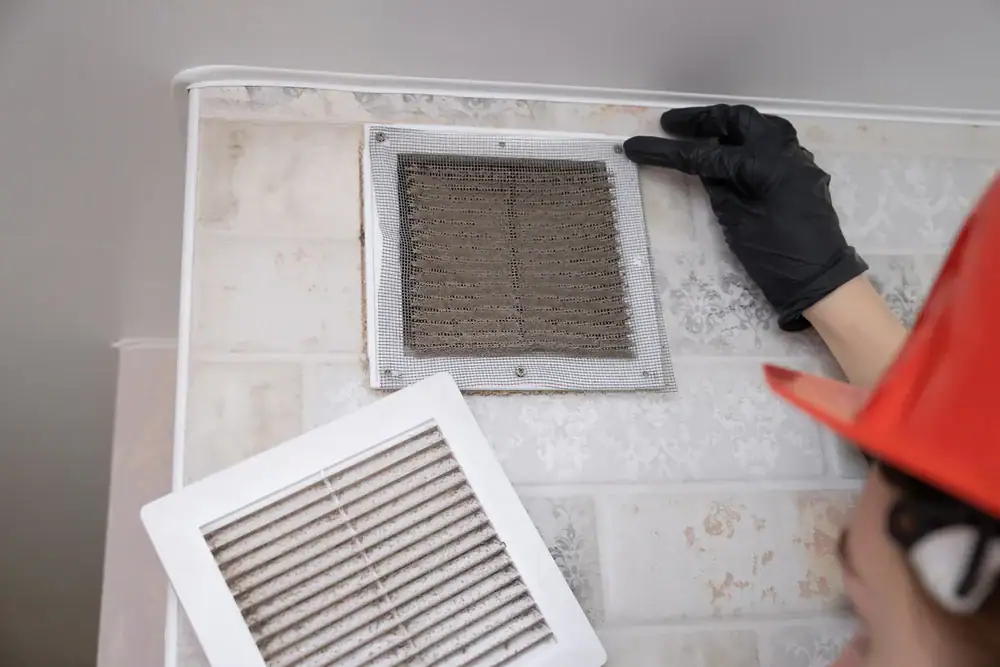
We start with a walkthrough. You show us your HVAC setup, point out any problem areas, and we inspect your ductwork and vents. We’re looking for visible debris, moisture stains, mold growth, or airflow restrictions. If you’ve had recent construction, water damage, or a fire, we document that too.
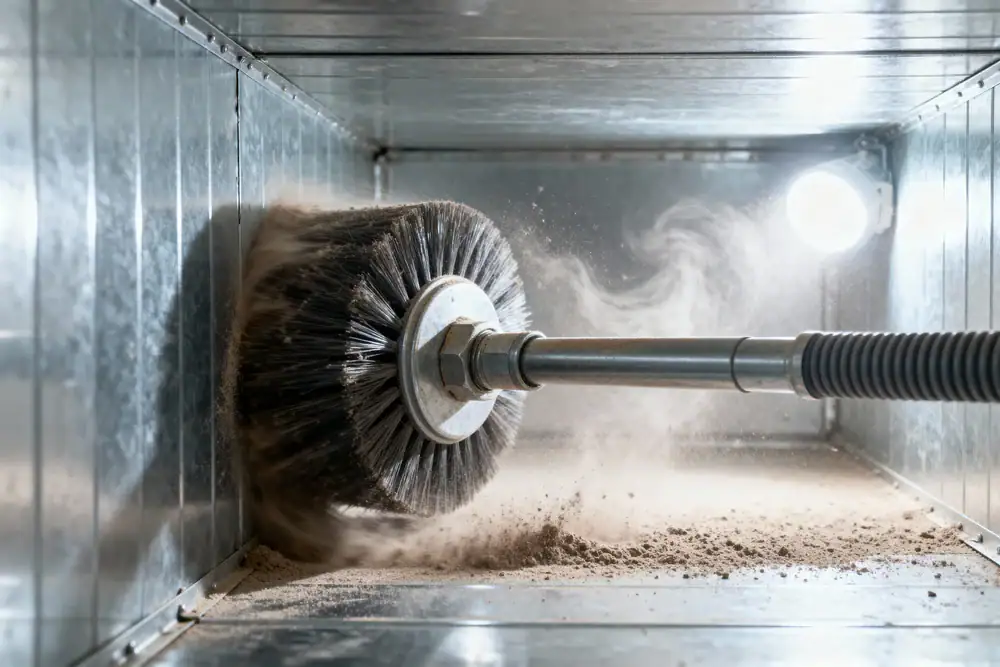
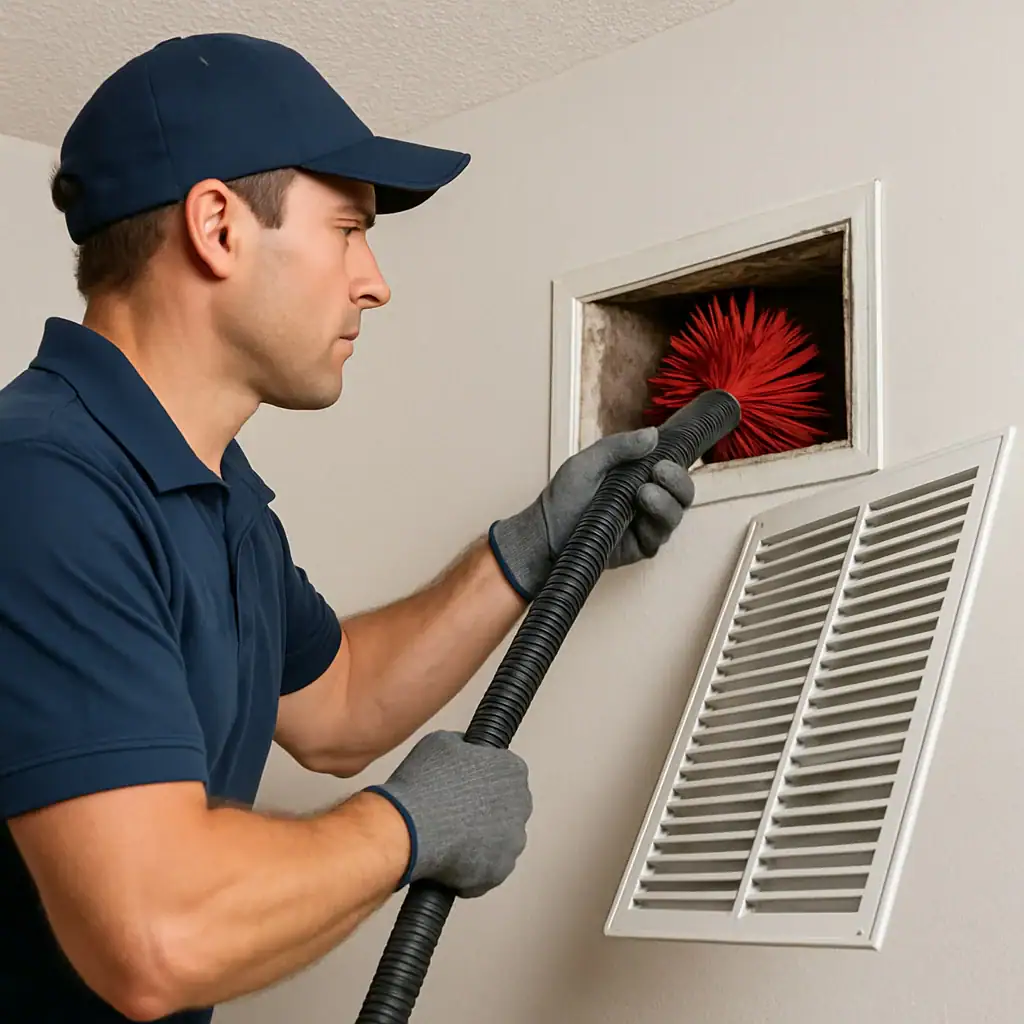
Next, we set up containment and HEPA filtration if the job calls for it. Then we use commercial-grade vacuums and rotary brushes to pull dust, lint, and buildup out of your supply and return ducts. We clean registers, grilles, and accessible plenum spaces. For dryer vents, we disconnect the line, clear the lint trap housing, and run a vent brush through the full exterior run.
Once the cleaning’s done, we walk you through what we found and what we removed. You’ll get photos showing before, during, and after. If we spot issues like disconnected ducts, damaged insulation, or mold that needs separate remediation, we’ll flag it and explain your options. No upselling. Just clarity on what’s actually going on in your system.
Ready to get started?
A complete air duct cleaning covers your supply ducts, return air ducts, registers, grilles, and the blower compartment. We also inspect your air handler and coil access panels for dust buildup that restricts airflow. If you add dryer vent cleaning, we clear the interior vent line from the appliance to the exterior termination point.
Hawthorn Hills sits in a humid climate zone where mold and moisture issues show up more often than in drier regions. If we find visible mold during the cleaning, we’ll stop and recommend a proper mold remediation scope before continuing. Cleaning over active mold growth just spreads spores. We won’t do that.
You’ll also get a post-job walkthrough and a follow-up check-in within 14 days. If airflow didn’t improve or you’re still smelling odors, we come back. We use Xactimate pricing for insurance-backed work, so if this cleaning is tied to a claim for fire or water damage, your adjuster will see line items they recognize. For non-insurance jobs, we offer discounts for military members, seniors, first responders, and teachers.
Indiana has over 650,000 residents living with asthma. Poor indoor air quality makes that worse. If your ducts haven’t been cleaned in five years or more, or if you’ve never had them cleaned, you’re likely circulating more contamination than you realize. This service addresses that directly.
Most homes benefit from duct cleaning every three to five years. That window shortens if you’ve had recent renovations, water damage, a fire, or if anyone in your household has respiratory issues.
Construction projects kick up drywall dust, sawdust, and insulation fibers that settle in ductwork. Even with air filters running, fine particles get through and coat your blower and coil. If you’ve replaced flooring, remodeled a kitchen, or finished a basement in the last two years, your ducts probably need attention.
Homes with pets, smokers, or high humidity also accumulate debris faster. If you’re changing your HVAC filter every month and it’s still clogged with hair and dust, that’s a sign your ducts are loaded. Hawthorn Hills deals with humid summers and cold winters, both of which stress HVAC systems and increase the amount of particulate moving through your ductwork.
Yes, but the savings depend on how dirty your system is. If your ducts are heavily clogged, your blower has to work harder to move air. That increases runtime and energy consumption.
Research from NADCA shows that cleaning fouled HVAC systems can reduce fan and blower energy use by 40% to 60%. Supply airflow can improve by 10% to 46% after a thorough cleaning. Even small amounts of debris on coils and motors reduce efficiency and force your system to cycle more often to reach temperature.
You won’t see a 50% drop in your utility bill, but you will see your system run more efficiently. Shorter cycles, better airflow, and less strain on the blower motor all add up over a season. If your energy bills have been creeping up and your HVAC is older than ten years, dirty ductwork is likely part of the problem. Cleaning won’t fix a failing compressor, but it will help your system perform closer to its original spec.
Dryer vent cleaning is one of the most overlooked fire hazards in residential properties. Lint is highly flammable, and it builds up fast in vent lines, especially if your vent run is long or has multiple bends.
About 2,900 dryer fires happen every year in the U.S., causing around $35 million in property damage. Thirty-four percent of those fires start because of lint buildup. If your dryer is taking longer to dry clothes, running hotter than usual, or shutting off mid-cycle, your vent is probably restricted.
A clogged vent doesn’t just create a fire risk. It also makes your dryer work harder, which shortens its lifespan and increases energy use. Cleaning the lint trap after every load helps, but it doesn’t clear the vent line itself. That requires a vent brush and proper access to the exterior termination. We’ve pulled pounds of compacted lint out of vents that homeowners thought were fine because they cleaned the trap regularly. If it’s been more than a year since your vent was cleaned, it’s time.
Pricing depends on the size of your home, the number of supply and return vents, and whether you’re adding dryer vent cleaning or other services. A typical single-family home with 10 to 15 vents usually falls in the range of $300 to $700 for a complete cleaning.
If your job involves mold remediation, post-fire cleaning, or water damage restoration, the scope changes and so does the price. We use Xactimate for insurance-backed work, so your adjuster will see pricing that aligns with industry standards. For non-insurance jobs, we give you a clear quote up front with no surprise fees.
Be cautious of companies advertising $99 whole-house duct cleaning. That price usually covers a basic vacuum of the main trunk line and nothing else. Real duct cleaning involves accessing each register, cleaning the blower compartment, and using rotary brushes and HEPA-filtered vacuums to pull debris out of the system. That work takes time and equipment. If the price sounds too good, ask what’s actually included before you book.
Cleaning your ducts can remove mold spores and surface growth, but it won’t solve an active mold problem. If you’ve got visible mold in your ductwork, that’s a symptom of a moisture issue somewhere in your HVAC system or home.
Mold needs moisture to grow. If your ducts are moldy, you likely have condensation on your coil, a leaking drain pan, or humidity problems in your crawl space or attic. Cleaning the ducts without fixing the moisture source just buys you a few months before the mold comes back.
We’re IICRC-certified in applied microbial remediation, so when we find mold during a duct cleaning, we stop and assess the situation. If it’s light surface growth, we can treat it as part of the cleaning. If it’s widespread or tied to water damage, we’ll recommend a separate mold remediation scope with proper containment and air scrubbing. Hawthorn Hills homes deal with high humidity in summer, and that creates conditions where mold can take hold fast. If you’re smelling musty odors when your AC runs, don’t ignore it.
We can usually get someone on-site within 60 to 90 minutes for emergency situations, but air duct cleaning typically isn’t an emergency service. Most jobs are scheduled a few days out so we can block the right amount of time and bring the right equipment.
That said, if you’ve just had a fire, flood, or sewage backup and your ductwork was exposed, we treat that as urgent. Contaminated ducts can spread smoke odor, soot, or biohazards every time your HVAC runs. In those cases, we prioritize the job and get you on the schedule fast.
For standard residential cleanings, we’ll work with your availability. We know you’re busy, and we’re not going to make you wait weeks for an appointment. Call us, and we’ll find a time that works. If your situation is time-sensitive, tell us. We’ll do what we can to move things up.
Other Services we provide in Hawthorn Hills