Hear from Our Customers
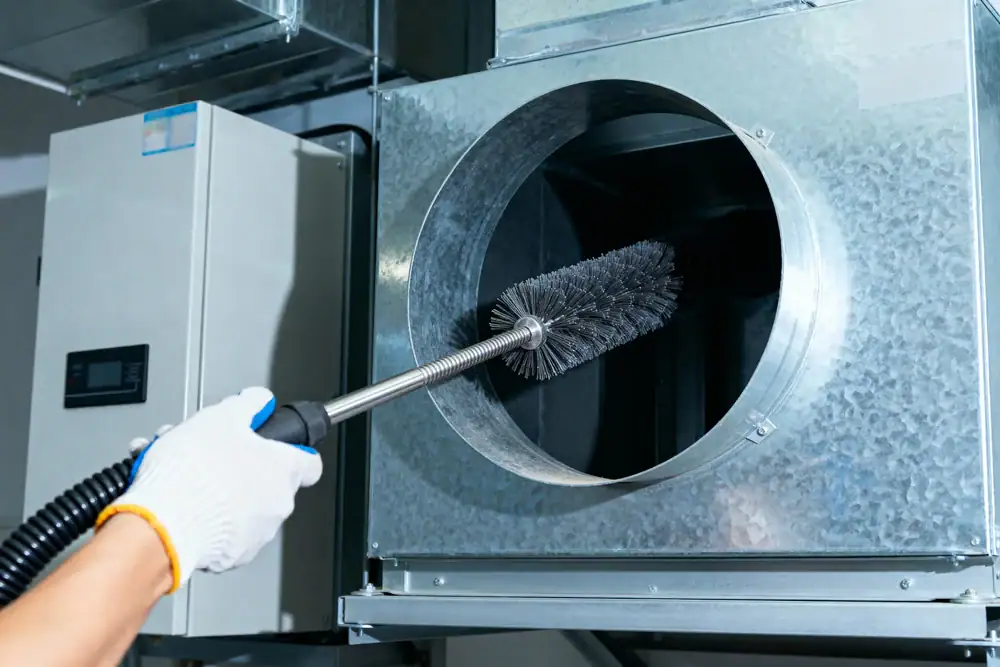
Your HVAC system stops pushing dust, allergens, and who-knows-what-else through every room in your house. You’re not wiping down surfaces every other day. Your family isn’t sneezing as much, and your energy bills drop because your system isn’t fighting years of buildup just to push air.
Clean ducts mean your home stays cleaner longer. The air smells fresher. Your heating and cooling work the way they’re supposed to—efficiently, quietly, without that musty smell that shows up every time the system kicks on.
If someone in your house deals with asthma or allergies, this isn’t just about comfort. It’s about reducing the triggers that make symptoms worse. Indoor air can be two to five times more polluted than outdoor air, and your ductwork is often the main reason why.
Professional air duct cleaning removes the dirt, pollen, pet dander, mold spores, and debris that accumulate over time. It’s not a luxury service. It’s maintenance that directly impacts how your home feels and how your family breathes.
We’ve been serving North Augusta Addition and the greater Indianapolis area since 2016. We’re IICRC-certified in water damage restoration, mold remediation, and applied structural drying—credentials that matter when you’re dealing with ductwork that may have moisture, mold, or contamination from fire or smoke damage.
We’re not a franchise. We’re a locally owned restoration company that answers our phone 24/7 and gets to your property in 60 to 90 minutes in most cases. That matters when you need air duct cleaning after a fire, a flood, or when you’ve just discovered mold in your system.
North Augusta Addition homes—especially older ones—face humidity, seasonal temperature swings, and aging HVAC systems that trap more dust and moisture than newer builds. We understand the local housing stock and the indoor air quality challenges that come with it. You’re not getting a one-size-fits-all cleaning. You’re getting a service that accounts for what your home actually needs.
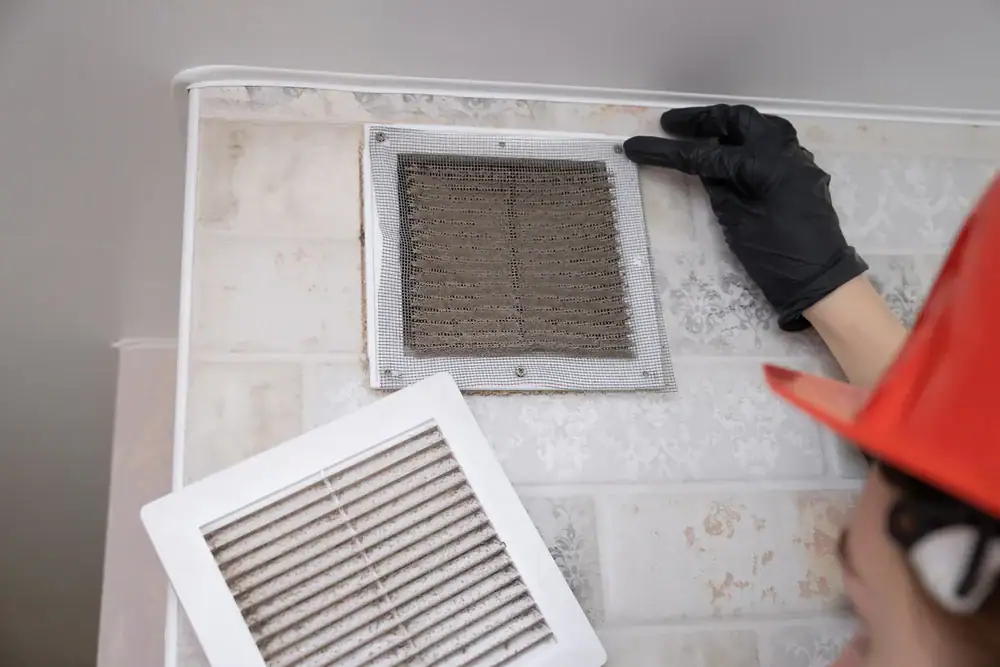
First, we inspect your entire HVAC system—supply and return vents, registers, grilles, and the main trunk lines. We’re looking for visible contamination, moisture issues, mold growth, or damage from previous events like fire or water intrusion. If we find something concerning, we document it with photos and explain what it means for your air quality.
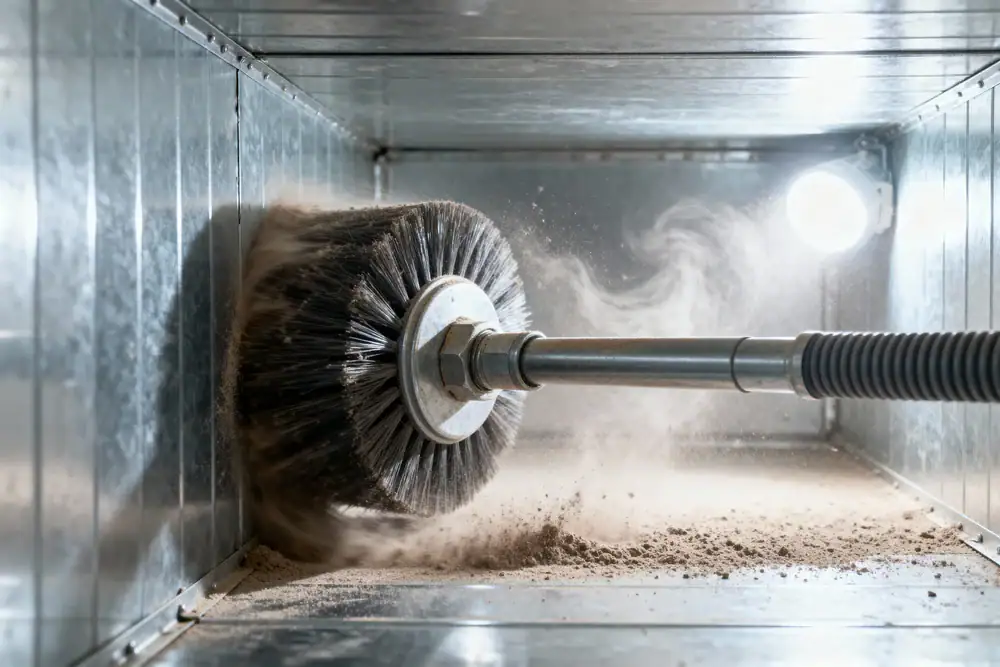
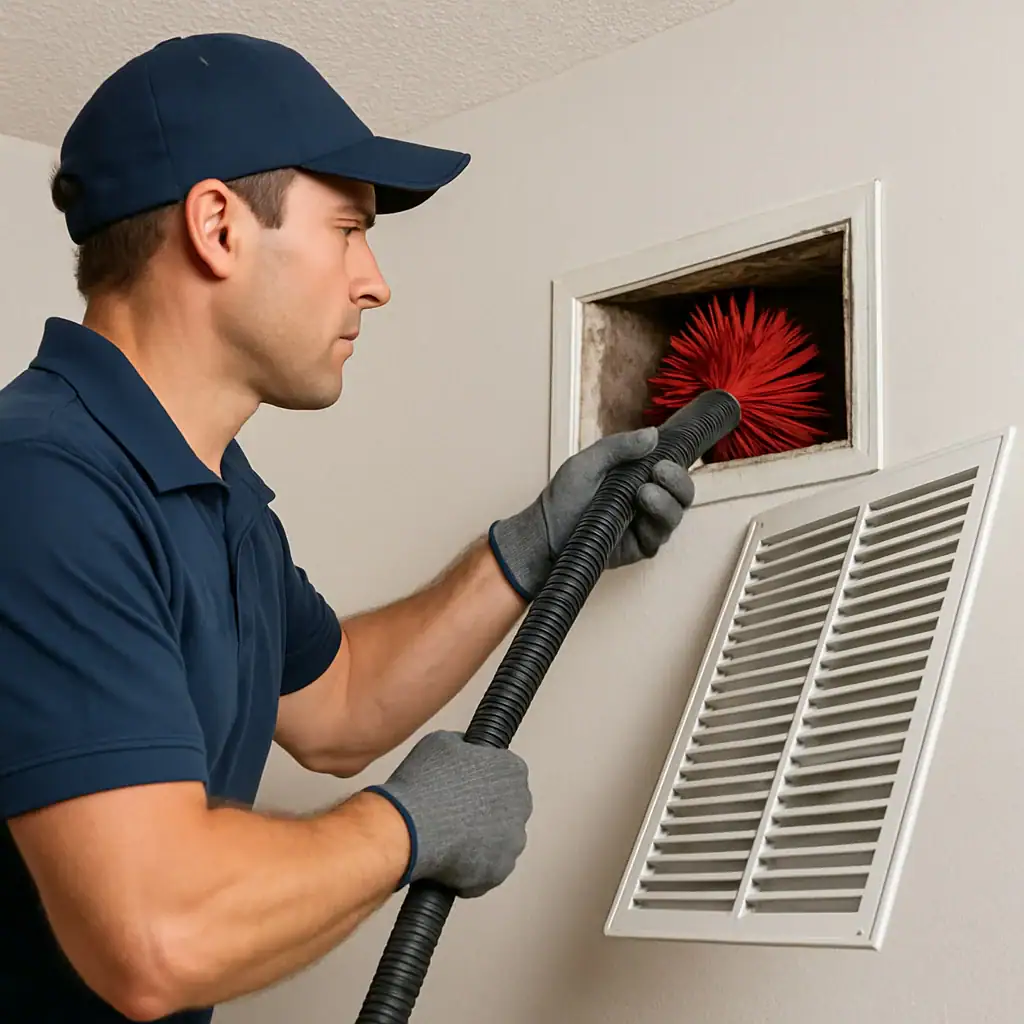
Next, we use professional-grade equipment—truck-mounted vacuum systems and rotating brushes—to dislodge and extract debris from your ductwork. We clean every accessible section, including the blower motor, evaporator coil, and drip pans if needed. We protect your floors and furniture with drop cloths and wear shoe covers throughout the job.
If there’s mold, we treat it with EPA-registered antimicrobials. If there’s lingering odor from smoke or pets, we address that with specialized deodorization methods. We don’t just push the problem around. We remove it.
After cleaning, we walk you through what we found, what we removed, and what you can expect moving forward. If you’re filing an insurance claim, we provide detailed documentation and work directly with your carrier. We also follow up 14 days later to make sure everything is still performing the way it should.
Ready to get started?
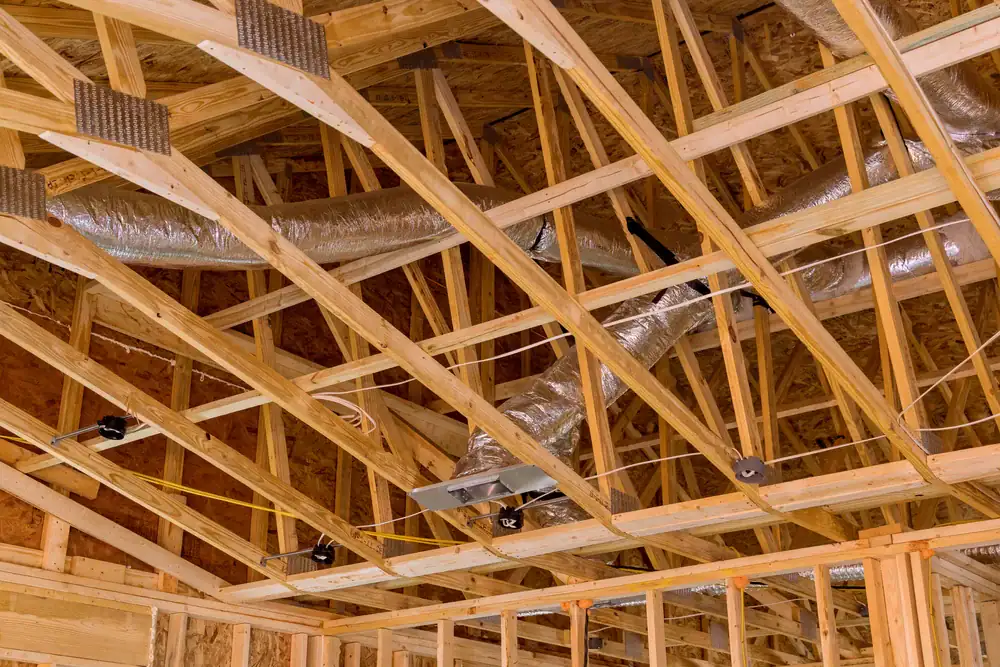
You’re getting a full-system cleaning—not just the vents you can see. That means supply and return ducts, registers, diffusers, grilles, heat exchangers, cooling coils, drip pans, fan motor, and the air handling unit housing. If it moves air through your home, we clean it.
We also offer dryer vent cleaning, which is critical if you want to reduce fire risk. Lint buildup is the leading cause of residential dryer fires in the U.S., and most homeowners don’t realize how clogged their vents are until there’s a problem. We clear the entire vent line from the dryer to the exterior exhaust.
For homes in North Augusta Addition, we see a lot of older ductwork with gaps, leaks, or sections that were never sealed properly. We’ll point those out. We’ll also let you know if your system has insulation issues, disconnected sections, or areas where pests have gotten in. You don’t have to fix everything at once, but you should know what’s going on behind your walls.
If your home recently had water damage, fire damage, or a mold issue, air duct cleaning is part of the restoration process—not optional. Smoke particles, soot, and mold spores settle in ductwork and recirculate every time your system runs. We handle post-event HVAC cleaning as part of our restoration services, and we coordinate directly with your insurance company to make the process easier.
Most homes benefit from air duct cleaning every three to five years, but that timeline changes depending on your situation. If you have pets, someone in the house with allergies or asthma, or you’ve recently remodeled, you’ll want to clean them more often.
If your home has experienced water damage, fire damage, or mold growth, your ducts need to be cleaned immediately. Contaminants don’t just sit there—they circulate every time your HVAC system runs. The same goes for homes with visible dust buildup around vents, musty odors when the system kicks on, or unexplained increases in energy bills.
Older homes in North Augusta Addition often have ductwork that hasn’t been cleaned in decades. If you don’t know the last time it was done, it’s probably overdue. A quick inspection can tell you whether you’re dealing with light dust or something more serious like mold, pest debris, or construction residue.
It can, especially if your ductwork is full of allergens like dust mites, pollen, pet dander, or mold spores. Every time your HVAC system runs, it pulls air through those ducts and pushes it back into your living space. If the ducts are contaminated, you’re breathing that contamination over and over.
Cleaning removes the buildup, which means fewer airborne irritants circulating through your home. That doesn’t cure allergies or asthma, but it does reduce one of the major triggers. You’ll likely notice less sneezing, fewer respiratory flare-ups, and better overall air quality.
That said, air duct cleaning isn’t a magic fix if your home has other issues—like poor ventilation, high humidity, or an old HVAC filter that hasn’t been changed in months. It’s one piece of the puzzle, but it’s an important one. If you’re dealing with persistent symptoms and you haven’t had your ducts inspected, it’s worth looking into.
Most residential air duct cleaning jobs in the Indianapolis area run between $270 and $500, depending on the size of your home, the number of vents, and how accessible your ductwork is. If your system hasn’t been cleaned in years or there’s mold, smoke damage, or heavy contamination, the cost goes up because the job takes longer and requires additional treatment.
We use Xactimate pricing for insurance-backed work, so if you’re filing a claim after a fire, flood, or mold event, the cost is typically covered. For non-insurance jobs, we offer upfront pricing with no surprises. We also provide discounts for military members, seniors, first responders, teachers, and new customers.
If someone quotes you $99 for a whole-house duct cleaning, be skeptical. That price usually comes with upsells, incomplete work, or equipment that doesn’t actually remove debris—it just moves it around. Real air duct cleaning takes time, professional-grade equipment, and trained technicians. You’re paying for results, not just someone showing up with a shop vac.
Air duct cleaning focuses on your HVAC system—the ductwork that heats and cools your home. Dryer vent cleaning focuses on the exhaust line that runs from your dryer to the outside of your house. Both involve removing buildup, but the risks and methods are different.
Dryer vent cleaning is about fire prevention. Lint is highly flammable, and when it accumulates in your vent line, it restricts airflow and causes your dryer to overheat. That’s the leading cause of residential dryer fires in the U.S. If your dryer takes longer to dry clothes, feels hot to the touch, or smells like something’s burning, your vent is probably clogged.
Air duct cleaning is about indoor air quality and HVAC efficiency. Dirty ducts reduce airflow, force your system to work harder, and circulate dust, allergens, and contaminants throughout your home. Both services are important, and we offer both. If you’re scheduling one, it’s worth doing the other at the same time—it saves you a trip charge and keeps your home safer and healthier overall.
Not if it’s done correctly by trained professionals using the right equipment. The risk comes from inexperienced techs who use aggressive brushes on flexible ductwork, over-pressurize the system, or fail to seal access points properly after the job.
We’re IICRC-certified and trained in proper duct cleaning methods. We inspect your system first to identify any weak spots, disconnected sections, or areas that need extra care. We use controlled negative pressure and soft-bristle brushes designed for residential ductwork. We don’t force tools into areas that aren’t built to handle them.
If your ductwork is already damaged—rusted, disconnected, or full of holes—we’ll tell you before we start. In some cases, cleaning isn’t the right move until repairs are made. We’re not here to make a problem worse just to get paid. We’re here to improve your indoor air quality and make sure your system works the way it should. If that means recommending a repair first, that’s what we’ll do.
Yes. Smoke, soot, and water don’t stay where the damage happened—they travel through your HVAC system and settle in your ductwork. Every time your system runs after a fire or flood, it circulates those contaminants throughout your home. That’s why you smell smoke weeks after the fire is out, or why mold odors linger even after visible mold is removed.
Air duct cleaning after a fire removes soot, ash, and smoke particles that cling to the inside of your ducts. After water damage, it removes moisture, debris, and any mold growth that started in the system. This isn’t optional if you want your home to be safe and livable again—it’s part of the restoration process.
We handle post-event HVAC cleaning as part of our fire, water, and mold remediation services. We document everything for your insurance claim, coordinate directly with your carrier, and make sure your system is clean before you move back in. If you’ve had a loss and your restoration company hasn’t mentioned duct cleaning, ask them why. It should be on the scope of work.
Other Services we provide in North Augusta Addition