Hear from Our Customers
You stop wondering why your energy bills keep climbing or why someone in your house can’t shake their allergies. Clean ductwork means your HVAC system moves air the way it’s supposed to—without pushing dust, mold spores, or last year’s pollen through every room.
Indianapolis ranks 11th worst nationally for particle pollution, and Rocklane homes aren’t immune. When your ducts are clogged with debris, your system works harder, costs more to run, and circulates the exact contaminants you’re trying to avoid. You’re not just cleaning vents—you’re removing the layer of buildup that’s been making your home harder to heat, cool, and breathe in.
After a proper cleaning, most people notice the difference within days. Less dust on surfaces. Fewer allergy flare-ups. A system that doesn’t sound like it’s struggling every time it kicks on. If you’ve had a fire, smoke damage, or water intrusion, duct cleaning isn’t optional—it’s how you stop contaminated air from cycling back into your living space long after the visible damage is gone.
We’ve been handling time-sensitive restoration work in Central Indiana since 2016. We’re IICRC-certified in water damage, mold remediation, and applied structural drying—so when we clean your ductwork, we’re not just vacuuming vents. We’re documenting moisture levels, identifying contamination sources, and treating your system like the critical infrastructure it is.
You get a live person when you call, a 60-90 minute response time, and the same documentation standards we use for insurance claims—even if you’re paying out of pocket. That means photos, progress updates, and a post-job walkthrough so you know exactly what was done. We work in Rocklane homes where older HVAC systems and Indiana’s freeze-thaw cycles create real air quality challenges, and we don’t upsell services you don’t need.
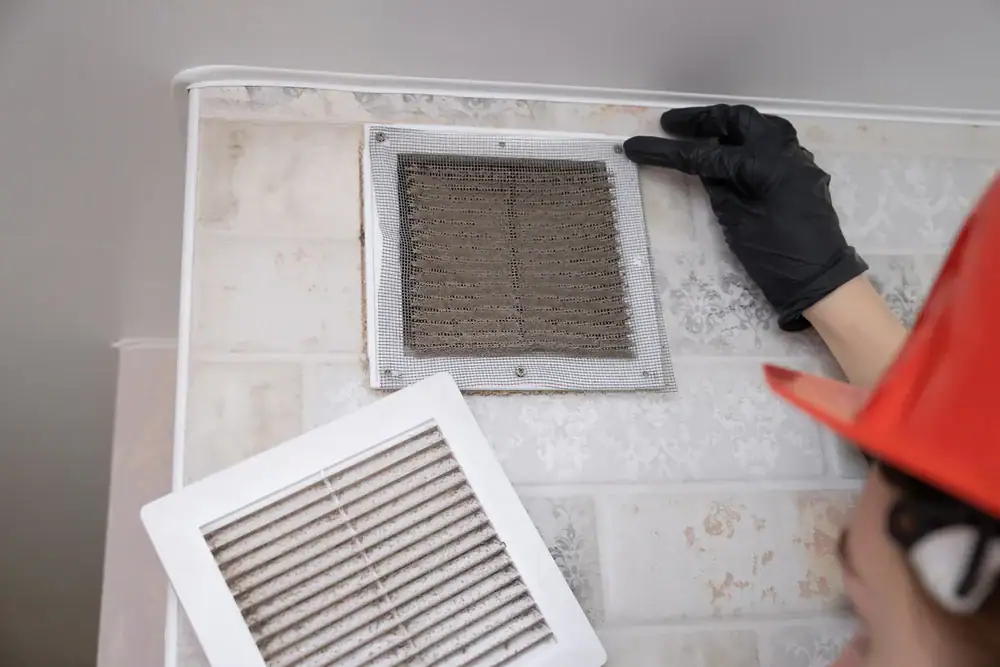
First, we inspect your system. That means looking at your return vents, supply vents, and the main trunk lines to see what we’re dealing with—dust, debris, mold growth, or post-fire residue. If there’s moisture or microbial contamination, we document it and explain what needs to happen before we start moving air around.
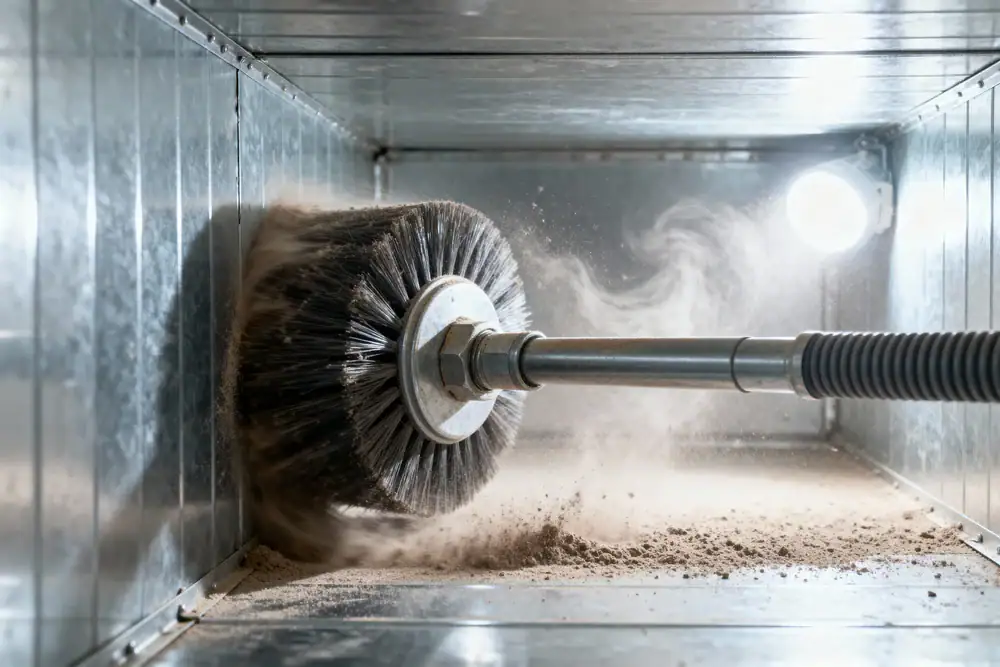
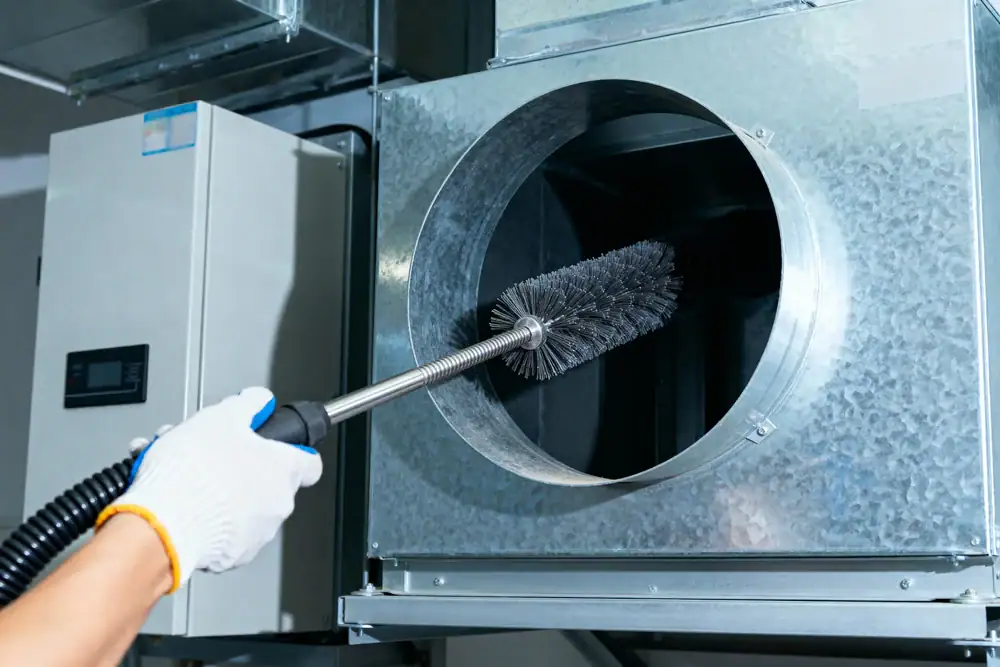
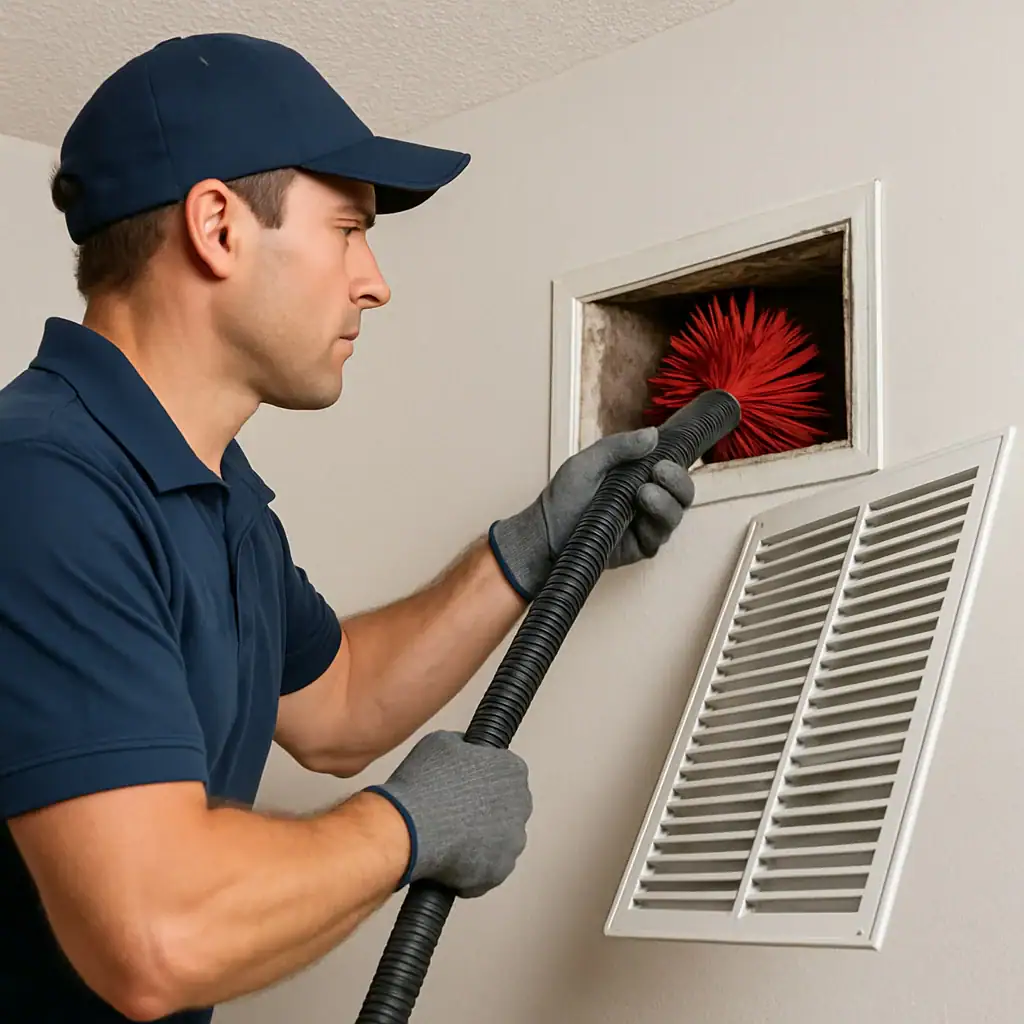
Next, we set up containment and HEPA filtration to keep contaminants from spreading into your living areas while we work. We use negative air pressure and proper sealing—the same protocols we’d use on a mold job—because your ducts connect to every room in your house. Then we clean the system using rotary brushes, compressed air, and industrial vacuums designed for ductwork, not household carpet cleaners.
After cleaning, we walk you through what we found, what we removed, and what your system looks like now. You’ll get photos and a written report within 24 hours. If we spot issues—like disconnected ducts, failed insulation, or signs of ongoing moisture problems—we’ll tell you. No scare tactics, just the facts so you can make an informed decision about next steps.
Ready to get started?
Our air duct cleaning services cover your supply and return vents, main trunk lines, and registers. We also inspect and clean your dryer vent if it’s part of the scope—because lint buildup is a leading cause of house fires, and it’s often overlooked until it’s too late. If your system has accessible plenums or air handlers, we’ll clean those too.
In Rocklane and the greater Indianapolis area, we see a lot of homes with HVAC systems that haven’t been cleaned in over a decade. Indiana’s seasonal swings—humid summers, frozen winters, and everything in between—accelerate debris accumulation and create moisture issues that lead to mold. If you’ve had water damage, a fire, or you’re dealing with persistent odors, we treat your ductwork as part of the larger remediation process, not an add-on service.
You also get our standard documentation: photo evidence, moisture mapping if needed, and a timeline of work performed. If you’re filing an insurance claim, we align our pricing with Xactimate so there’s no confusion with your adjuster. And if you’re a senior, veteran, teacher, or first responder, we offer discounts on non-insurance work—because we’d rather you get the service done right than skip it due to cost.
The National Air Duct Cleaners Association recommends cleaning every three to five years for most homes. But that’s a baseline, not a rule. If you’ve had water damage, a fire, visible mold growth, or you’re noticing dust reappearing on surfaces within days of cleaning, you need it sooner.
Indiana homes face specific challenges—high humidity in summer, frozen pipes in winter, and older housing stock that wasn’t built with modern ventilation in mind. If your home was built before 1990 or you’ve never had your ducts cleaned, you’re likely overdue. Same goes if you’ve recently moved in and have no record of prior service.
You’ll know it’s time when your HVAC system struggles to maintain temperature, your energy bills climb without explanation, or someone in your household develops unexplained respiratory symptoms. Don’t wait for a crisis—address it when you first notice the signs.
Yes, but only if your ducts are actually clogged. When debris blocks airflow, your HVAC system has to run longer to reach the temperature you set on your thermostat. That means more runtime, higher energy consumption, and increased wear on your equipment.
Studies show that buildings with regularly maintained ductwork can see energy savings up to 22%. That’s not a guarantee—it depends on how bad the buildup is and whether your system has other efficiency issues like leaky ducts or an aging unit. But if your system is working harder than it should, cleaning the ducts removes one major obstacle.
In Rocklane, where heating and cooling costs fluctuate with Indiana’s extreme seasonal shifts, even a 10-15% improvement in efficiency adds up over the course of a year. You’re not just paying for cleaner air—you’re paying for a system that doesn’t have to fight against itself every time it runs.
It can, especially if your ducts are circulating allergens like dust mites, pollen, pet dander, or mold spores. Every time your system runs, it pulls air through your return vents, pushes it past whatever’s accumulated in your ductwork, and delivers it back into your living space. If that air is contaminated, you’re breathing it in all day, every day.
Indianapolis ranks among the worst cities in the nation for particle pollution and ozone, which means outdoor air quality is already a problem. When your indoor air quality is compromised too, people with asthma or allergies feel it immediately—persistent coughing, itchy eyes, trouble sleeping, or symptoms that never fully go away even with medication.
Cleaning your ducts won’t cure allergies, but it removes one major source of indoor triggers. If you’ve tried everything else—new filters, air purifiers, deep cleaning—and you’re still struggling, your ductwork might be the missing piece. Just make sure the company you hire uses HEPA filtration during the cleaning process, or they’ll just stir up contaminants and make things worse.
Check for IICRC certification and ask what equipment they’re using. The Institute of Inspection, Cleaning and Restoration Certification sets the standards for duct cleaning, mold remediation, and water damage restoration. If a company can’t show you their credentials, that’s a red flag.
You also want to avoid companies offering “whole house cleaning” for $99 or similarly low prices. The National Air Duct Cleaners Association warns that these are often bait-and-switch operations—they’ll get in your home, claim you have serious contamination, and upsell you into services you may not need. Legitimate duct cleaning costs between $350 and $550 for an average home in the Indianapolis area, depending on system size and accessibility.
Ask what their process includes. If they’re not using negative air pressure, HEPA filtration, and rotary brushes or compressed air tools, they’re not doing a thorough job. And if they don’t offer documentation—photos, written reports, before-and-after evidence—you have no way to verify the work was done properly. You’re trusting them to clean areas you can’t see, so accountability matters.
Air duct cleaning addresses your HVAC system—the network of ducts that heat and cool your home. Dryer vent cleaning focuses on the exhaust duct that vents your dryer to the outside. Both involve removing buildup, but the risks and methods are different.
Clogged dryer vents are a fire hazard. Lint is highly flammable, and when it accumulates in your vent line, it restricts airflow and causes your dryer to overheat. According to the U.S. Fire Administration, dryer fires account for thousands of house fires every year, and most of them are preventable with regular cleaning. If your clothes are taking longer to dry, your dryer is hot to the touch, or you smell burning when it’s running, your vent is likely clogged.
We handle both services because they’re often needed at the same time, especially in older Rocklane homes where maintenance has been deferred. If you’re already having your HVAC ducts cleaned, it makes sense to address your dryer vent too—it’s one less thing to worry about, and it’s a safety issue you don’t want to ignore.
Yes. After a fire, your ductwork can trap soot, smoke particles, and odor-causing residues that will continue circulating through your home every time your HVAC system runs. Even if the fire was contained to one area, smoke travels through your ducts and contaminates the entire system. You can scrub walls and replace furniture, but if you don’t clean the ducts, you’ll keep smelling smoke.
Water damage creates a different problem—moisture in your ducts leads to mold growth. If your home flooded, had a roof leak, or experienced a pipe burst that affected your HVAC system, you need to dry and clean those ducts before mold takes hold. Mold spores spread fast in dark, damp environments, and your ductwork is the perfect breeding ground if it’s not addressed quickly.
We treat post-damage duct cleaning as part of the restoration process, not an afterthought. That means we document everything for your insurance claim, coordinate with your adjuster, and make sure your system is safe to run before we leave. If you’ve had a fire or water event in Rocklane, don’t turn your HVAC back on until someone’s inspected and cleaned your ducts—you’ll just spread contamination and make the problem worse.
Other Services we provide in Rocklane