Hear from Our Customers
You’re not wondering if help is coming. You’re not leaving voicemails. You call, a real person answers, and a certified crew is at your door in about an hour—sometimes less.
That’s when the panic starts to ease. We contain the affected areas so water doesn’t spread. We document everything with photos and moisture readings so your insurance claim goes through without a fight. And we keep you updated every 48 hours, not when you have to chase us down.
By the time we’re done, your property is dry, your claim is filed, and you’re not dealing with mold growth three weeks later because someone missed a wet spot behind the drywall. That’s the difference between emergency water removal done right and a bigger mess down the road.
We’ve handled water damage restoration in Cartersburg, IN and the surrounding area for over eight years. We’re IICRC-certified in Water Restoration, Applied Structural Drying, and Microbial Remediation—which means we’re trained to do this the right way, not the fast way.
We know how Indiana weather works. The freeze-thaw cycles that crack pipes in January. The heavy spring rains that flood basements. The humidity that turns a small leak into a mold problem if you don’t dry it properly.
We’re also BBB-accredited and work directly with insurance carriers. That matters when you’re trying to get a claim approved and need someone who speaks the adjuster’s language.
You call our 24/7 line and talk to a person, not a recording. We ask a few questions to understand what you’re dealing with, then dispatch a crew. In most cases, we’re on-site within 60 to 90 minutes.
First thing we do is stop the water source if it’s still active, then assess the damage. We set up containment barriers and HEPA filtration to protect the rest of your property. Then we start extraction—pulling out standing water with truck-mounted equipment, not shop vacs.
Next comes drying. We place commercial dehumidifiers and air movers based on moisture readings, not guesswork. We map everything and take photos. Within 24 hours, you get an initial report. Every 48 hours after that, we update you on progress.
Once everything hits the right moisture levels, we do a final walkthrough with you. Then we follow up two weeks later to make sure nothing was missed. If mold or structural issues come up, we handle those too—you’re not getting handed off to another contractor.
Ready to get started?
You get water extraction, structural drying, dehumidification, and antimicrobial treatment if needed. We also handle contents pack-out if furniture or belongings need to be moved and stored during the process.
We document everything for your insurance company using Xactimate, the same software adjusters use. That means our estimates align with what they expect to pay, which reduces your out-of-pocket costs and speeds up approval.
In Cartersburg and the surrounding area, we see a lot of basement flooding from storms and burst pipes from freezing temps. Older homes here weren’t always built with modern drainage or insulation, so water finds its way in. We’ve worked in enough crawl spaces and basements around here to know what we’re dealing with before we even arrive.
You also get a dedicated claims liaison if you’re filing with insurance. They’ll walk you through what your policy covers, what documentation you need, and how to avoid common claim denials. And if you’re paying out of pocket, we offer discounts for military, first responders, teachers, and seniors on non-insurance jobs.
In most cases, we’re on-site within 60 to 90 minutes. We staff crews 24/7 specifically for emergencies like this, so you’re not waiting until morning or the next business day.
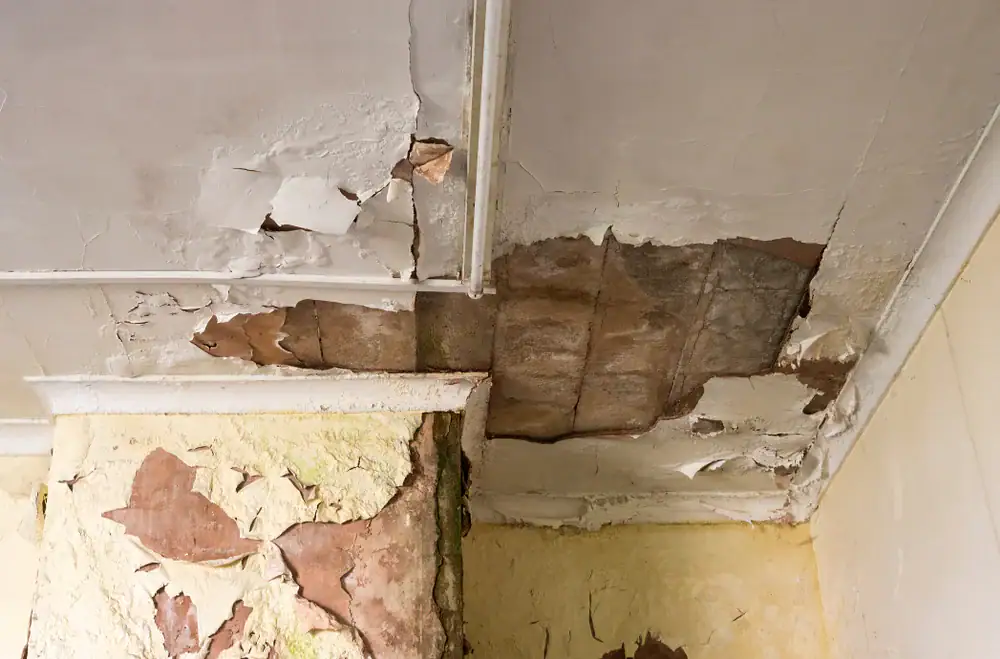
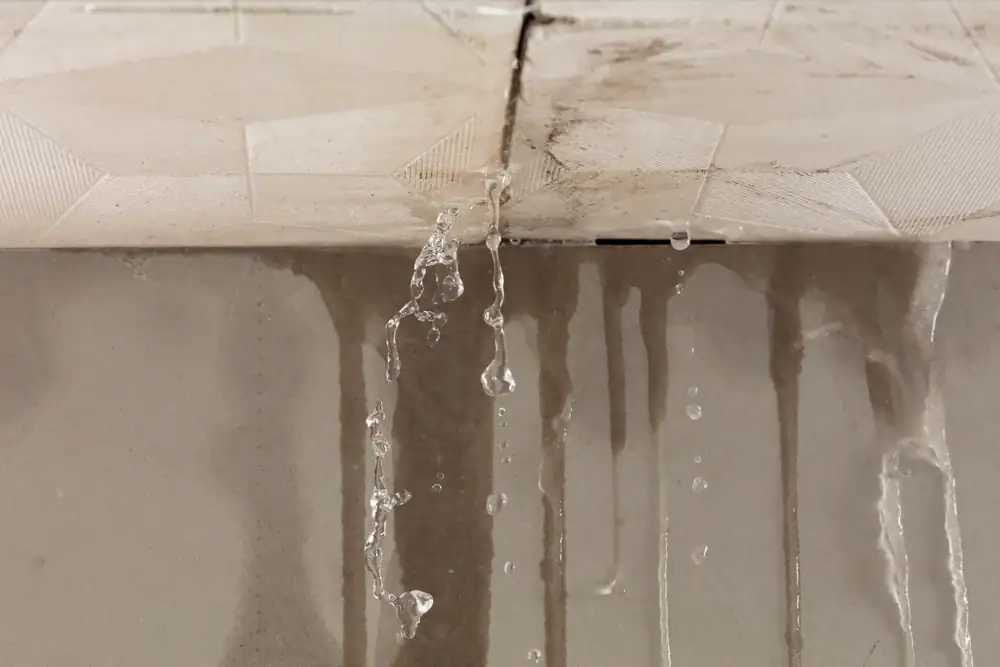
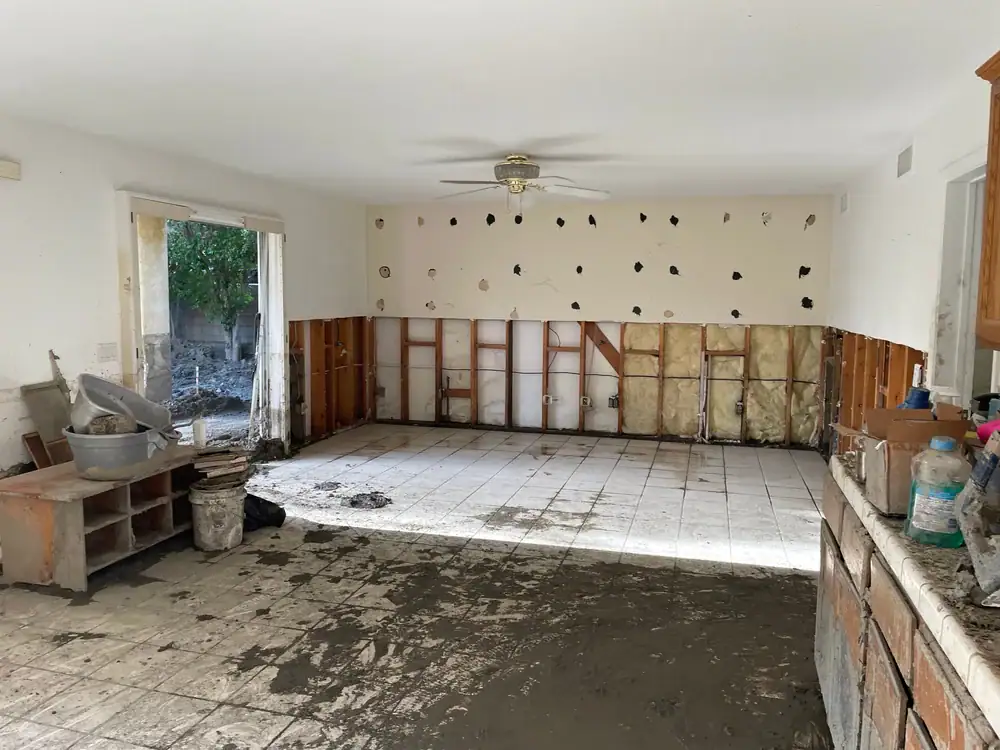
Speed matters because water damage gets worse by the hour. Drywall soaks up water. Wood starts to warp. Mold can begin growing within 24 to 48 hours if conditions are right.
When you call, you talk to a real person who can dispatch a crew immediately. We don’t route you through an answering service or make you leave a message. If it’s 2 a.m. on a Sunday and your basement is flooding, we’re coming.
It depends on what caused the damage. Most homeowners policies cover sudden and accidental water damage—like a burst pipe, a leaking water heater, or storm-related flooding if you have the right endorsements.
They typically don’t cover gradual damage from a slow leak you didn’t fix, or ground water seeping in through your foundation unless you have separate flood insurance through FEMA. Sewer backups usually require a separate rider too.
We work with insurance companies every day, and we’ll help you figure out what’s covered before we start the work. Our estimates use Xactimate, the same pricing software adjusters use, so there’s no sticker shock or disputes over costs. If your claim gets denied or underpaid, we’ll provide the documentation you need to appeal.
Mold prevention starts with speed and thoroughness. We extract all standing water, then use moisture meters to find hidden water in walls, subfloors, and insulation. If we don’t dry those areas completely, mold will grow there even if the surface looks fine.
We set up industrial dehumidifiers and air movers to pull moisture out of materials, not just the air. We monitor moisture levels daily and don’t stop drying until everything hits the right thresholds—usually below 15% moisture content for wood and drywall.
If water sat for more than 48 hours, or if we find existing mold during the process, we treat affected areas with antimicrobial solutions and remove contaminated materials. We’re IICRC-certified in microbial remediation, so if mold is already present, we handle that too. You’re not calling a second company.
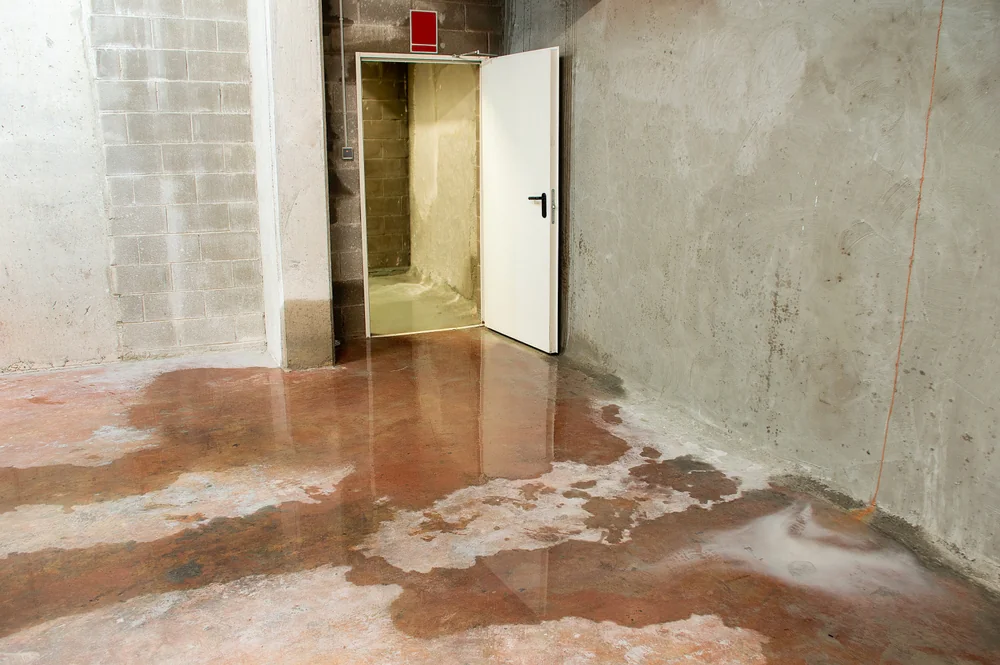
Extraction is removing the standing water you can see—the puddles on your floor, the soaked carpet, the water pooling in your basement. We use truck-mounted pumps and extractors to pull out as much water as possible in the first few hours.
Structural drying is what happens after extraction. That’s when we dry out the materials themselves—the drywall, the studs, the subfloor, the insulation. This takes days, not hours, and requires specialized equipment like commercial dehumidifiers and air movers placed strategically based on moisture readings.
A lot of companies will extract the water and call it done. But if the structure isn’t dried properly, you’ll have warped floors, swollen drywall, and mold growth within a few weeks. Structural drying is what prevents those problems, and it’s where most of the real work happens.
Not usually, unless the damage is severe or affects your entire living space. Most of the time, we can contain the work area and you can stay in unaffected parts of your home.
We set up physical barriers with plastic sheeting and use negative air pressure to keep dust and moisture from spreading. We also wear shoe covers and keep pathways clean so you’re not tracking water or debris through your house.
If the damage involves sewage, extensive mold, or requires tearing out large sections of your home, we’ll let you know upfront if it makes sense to stay elsewhere temporarily. But for typical basement flooding or a burst pipe in one room, you can usually stay put. The equipment is loud, but it’s not dangerous, and we do our best to minimize disruption.
Drying typically takes three to five days depending on how much water there was, what materials got wet, and how long the water sat before we arrived. A small leak caught early might dry in two days. A flooded basement with soaked drywall and insulation might take a week.
We monitor moisture levels daily and won’t pull equipment until everything is completely dry. Rushing this part causes problems later, so we base our timeline on readings, not estimates.
After drying is complete, any repairs or reconstruction—like replacing drywall, flooring, or trim—add more time depending on scope. We’ll give you a realistic timeline during the initial assessment, and we update you every 48 hours so you know exactly where things stand. If something changes or takes longer than expected, you’ll hear it from us before you have to ask.
Other Services we provide in Cartersburg