Hear from Our Customers
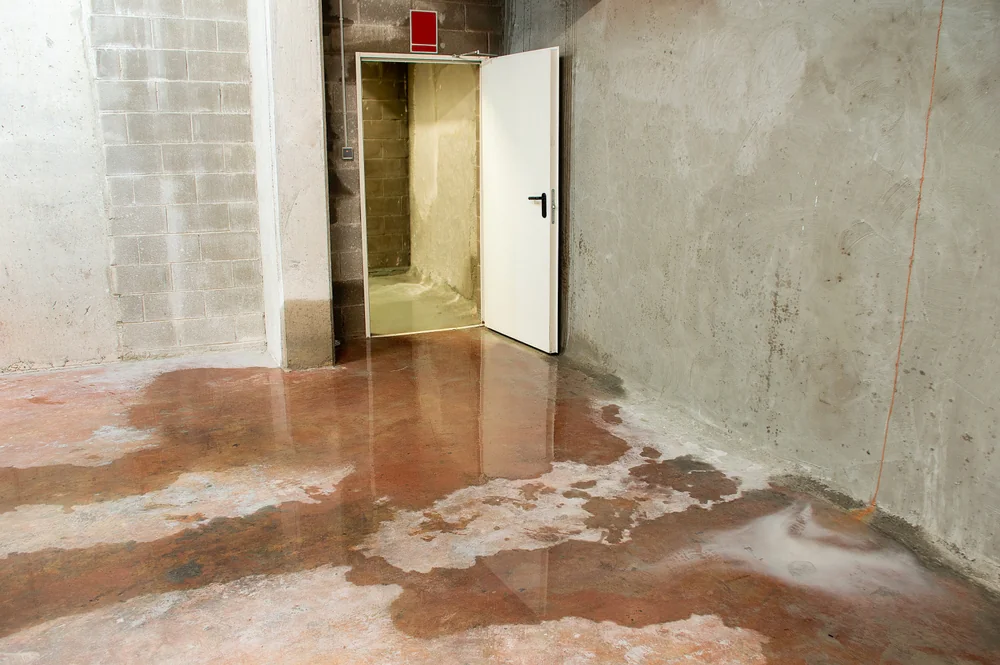
You’re not wondering if the damage is getting worse while you wait. You’re not scrambling to figure out what your insurance will cover or whether you need to move furniture yourself.
Within an hour and a half, our IICRC-certified team is pulling water out of your floors, setting up industrial dehumidifiers, and mapping moisture levels in your walls. You get photo documentation within 24 hours—exactly what your adjuster needs to move your claim forward. Every 48 hours after that, you’ll receive progress updates so you’re never left guessing.
The containment barriers go up to protect the rest of your home. HEPA filtration runs to keep airborne contaminants out of your living space. And if mold starts forming because the damage sat too long before we arrived, we catch it early and handle the remediation before it spreads into your HVAC system or behind your drywall.
We handle water damage restoration across Durbin, IN and the surrounding areas. We’re IICRC-certified in Water Restoration (WRT), Applied Structural Drying (ASD), and Microbial Remediation (AMRT)—which means we’re trained to do this right, not just fast.
We’ve worked with homeowners, property managers, and light commercial clients through burst pipes, sump pump failures, storm flooding, and sewage backups. Indiana’s freeze-thaw cycles and older housing stock mean we see a lot of the same problems—and we know how to fix them before they turn into five-figure insurance claims.
You’ll reach a real person when you call our 24/7 line. No voicemail. No “we’ll get back to you.” Just someone who can dispatch a crew to your property in Durbin within 60 to 90 minutes, any time of day.
First, we show up. Fast. You’ll see our crew in Durbin within 60 to 90 minutes with truck-mounted extraction equipment, moisture meters, and thermal imaging cameras.
We assess the damage and identify the water source—whether it’s a burst pipe, failed sump pump, roof leak, or something else. Then we stop it. No point drying anything if water’s still coming in.
Next comes extraction. We pull standing water out with commercial-grade pumps and extractors, then place air movers and dehumidifiers to dry out your floors, walls, and subfloors. We’re not guessing—we’re taking moisture readings and tracking them daily until everything hits safe levels.
While that’s happening, we’re documenting. Photos, moisture maps, equipment logs—all the proof your insurance company needs. We send you the initial report within 24 hours, then follow up every 48 hours so you know exactly where the job stands.
Once everything’s dry, we do a final walkthrough with you. Then we check back in 14 days later to make sure nothing’s shifted, no smells have developed, and you’re completely satisfied with the work.
Ready to get started?
You get 24/7 emergency response with a live person answering the phone—not a call center three states away. Our crews serve Durbin, IN and know the local risks: frozen pipes from January cold snaps, spring storm flooding, and humidity-driven mold growth in crawl spaces.
We handle water extraction, structural drying, content pack-out and storage if needed, odor neutralization, and mold remediation if it’s already started. If the damage came from a fire sprinkler or involved smoke, we’ll clean your HVAC ducts so you’re not circulating soot through your house.
Our pricing aligns with Xactimate, the software your insurance adjuster uses. That means fewer disputes, faster approvals, and less back-and-forth. We bill your insurance directly, and we’ll work with your adjuster to make sure your claim reflects the actual scope of damage—not the minimum they’d prefer to pay.
Indiana saw 100 billion-dollar disaster events between 1980 and 2024, including six major floods and 72 severe storms. Durbin’s older homes—many with crawl spaces, basements, and aging plumbing—are especially vulnerable when temperatures swing or storms roll through. We’ve seen it all, and we know how to dry your property the right way so you’re not dealing with mold or buckled floors six months from now.
We’re typically on-site within 60 to 90 minutes. That’s not an estimate—it’s what we hit in most cases across Durbin, IN and the surrounding area.
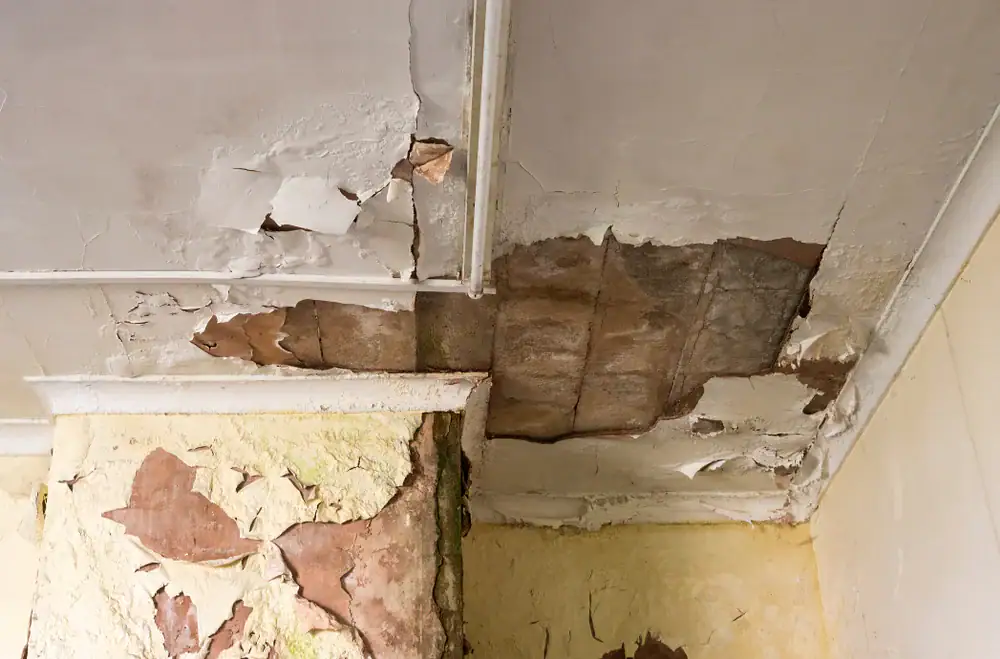
Speed matters because water damage escalates fast. You’ve got 24 to 48 hours before mold starts growing, and every hour of standing water increases the chance of subfloor damage, drywall swelling, and insulation saturation. The faster we extract and start drying, the less you’ll pay in repairs and the smoother your insurance claim will go.
When you call our 24/7 line, you’ll talk to a real person who can dispatch a crew immediately—not a voicemail system or an answering service that forwards your message during business hours.
It depends on the source of the water. Most homeowners policies cover sudden, accidental water damage—like a burst pipe, failed water heater, or roof leak during a storm. They typically don’t cover flooding from outside sources like rivers or heavy rain unless you have separate flood insurance.
Insurance companies will also deny claims if they determine the damage resulted from poor maintenance—like a pipe that burst because you didn’t heat your home enough during a freeze. That’s why documentation matters. We take photos, log moisture readings, and map the affected areas so your adjuster can see exactly what happened and when.
We bill your insurance directly and use Xactimate pricing, which is the same software adjusters use. That eliminates pricing disputes and speeds up approvals. If your claim gets denied or low-balled, we’ll provide the documentation you need to appeal, but we can’t guarantee coverage—that’s between you and your insurer.
Extraction is removing standing water—the stuff you can see pooling on your floor. We use truck-mounted pumps and commercial extractors to pull it out fast, usually within the first few hours of arriving at your property in Durbin.
Structural drying is what happens next. Even after the visible water is gone, your drywall, subfloors, insulation, and framing are still soaked. If we don’t dry those materials down to safe moisture levels, you’ll end up with mold, rot, and warped floors. That’s where air movers, dehumidifiers, and moisture monitoring come in.
We place equipment strategically based on thermal imaging and moisture meter readings, then track the drying progress daily. Most jobs take three to five days to dry completely, but it depends on how much water got in, what materials were affected, and how long it sat before we started. We don’t pull equipment until the readings confirm everything’s dry—not just because it looks dry.
If water sat for more than 24 to 48 hours before drying started, there’s a good chance mold is already growing. You might see discoloration on walls or smell something musty, but mold also grows inside wall cavities, under flooring, and in HVAC ducts where you can’t see it.
We use moisture meters and thermal imaging during the initial assessment to identify hidden moisture. If we find elevated levels in areas that should be dry, or if we see visible mold growth, we’ll recommend remediation. That involves containment, HEPA filtration, removal of affected materials, antimicrobial treatment, and post-remediation testing to confirm it’s gone.
Indiana’s humidity makes mold growth more likely, especially in basements and crawl spaces. If your water damage involved a sewage backup, washing machine overflow, or any contaminated source, mold risk goes up even more. Waiting to see if mold appears is a bad strategy—by the time you notice it, it’s usually already spread. Better to address it during the initial drying process when containment and removal are simpler and cheaper.
Stop the water source if you can—shut off the main valve if it’s a burst pipe, turn off the supply line if it’s a toilet or appliance, or cover the leak if it’s coming from your roof. Don’t walk through standing water if there’s any chance it’s contacted electrical outlets or appliances.
Move anything valuable or important out of the affected area if it’s safe to do so—furniture, electronics, documents. Don’t try to dry things yourself with fans or space heaters. You’ll just spread moisture into unaffected areas and increase the chance of mold growth.
Call us immediately at our 24/7 line. The sooner we start extraction and drying, the less damage you’ll have and the lower your restoration costs will be. While you’re waiting for us to arrive, take photos and videos of the damage for your insurance claim. Don’t throw anything away until your adjuster has seen it—even if it’s ruined. Your insurer needs to document the loss before you dispose of damaged materials, or they may reduce your payout.
Yes. We bill your insurance company directly so you don’t have to pay out of pocket and wait for reimbursement. We also act as a liaison between you and your adjuster to make sure the scope of work matches the actual damage—not just what the insurance company wants to approve.
We provide detailed documentation within 24 hours of starting the job: photos, moisture maps, equipment logs, and a line-item estimate using Xactimate software. That’s the same pricing system your adjuster uses, which eliminates disputes over labor rates or material costs. Every 48 hours after that, we send progress updates so everyone knows where the job stands.
If your adjuster pushes back on coverage or tries to reduce the scope, we’ll provide the technical data to support what needs to be done. We’ve worked with every major insurance carrier, and we know how to document damage in a way that meets their requirements. That said, we can’t force them to pay a claim—but we can give you the evidence you need to appeal if they deny or undervalue it.
Other Services we provide in Durbin