Hear from Our Customers
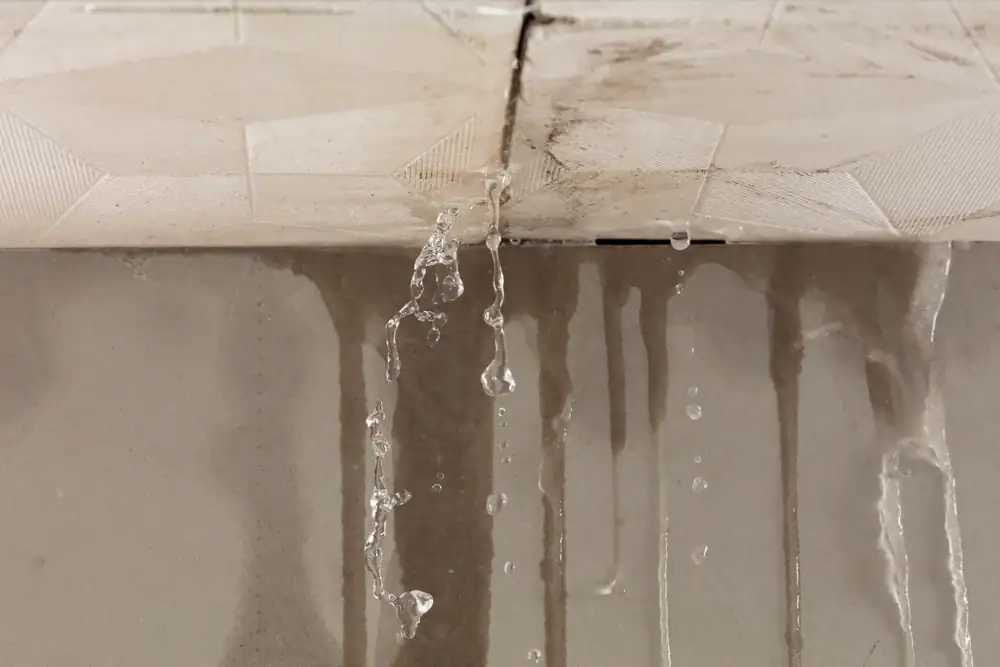
Water damage doesn’t wait for business hours, and neither do we. When you call, you reach a live person who dispatches a certified crew to your Frances property within 60 to 90 minutes—not tomorrow, not when it’s convenient.
You get immediate water extraction, industrial-grade drying equipment placed strategically throughout affected areas, and moisture mapping that shows exactly where the problem sits. Within 24 hours, you receive a full photo-documented report that your insurance adjuster can actually use. Every 48 hours after that, you get an update on drying progress, equipment status, and next steps.
The outcome isn’t just dry floors. It’s preventing the mold growth that starts within 24 to 48 hours of water exposure, avoiding the secondary damage that turns a $3,000 claim into a $15,000 nightmare, and having documentation so thorough your insurance company has no reason to delay or deny. You’re not left guessing whether your property is actually dry or just looks dry—our moisture meters and thermal imaging confirm it.
We’ve handled water damage restoration across central Indiana since 2016. We hold IICRC certifications in Water Damage Restoration (WRT), Applied Structural Drying (ASD), and Applied Microbial Remediation (AMRT)—credentials your insurance company recognizes and respects.
Frances sits in a region where freeze-thaw cycles crack foundations, spring storms overwhelm drainage systems, and older housing stock (much of it built before 1970) means aging pipes and outdated waterproofing. We’ve seen it all: burst supply lines in crawl spaces, sump pump failures during heavy rain, ice dam leaks through attic spaces, and sewage backups from overwhelmed municipal systems.
Our crews know Indiana properties. We understand how water moves through your type of foundation, which building materials hold moisture longest, and what your local insurance adjusters expect to see in a restoration estimate.
You call our 24/7 line and speak to a real person who asks targeted questions about your situation—where’s the water, how much, how long has it been there. We dispatch a crew immediately with a 60 to 90 minute arrival window.
On-site, we assess the damage category and class, identify the water source, stop it if possible, and begin emergency water extraction using truck-mounted or portable extractors. We pull up soaked padding, move furniture to unaffected areas, and set up air movers and dehumidifiers based on the square footage and moisture readings. You get containment barriers with HEPA filtration if needed to protect the rest of your home.
Within 24 hours, you receive a detailed report with photos, moisture maps, equipment inventory, and a Xactimate-aligned estimate your insurance adjuster can review. Our claims liaison contacts your insurance company directly, answers their questions, and handles the documentation they require. Every 48 hours, we return to take new moisture readings, adjust equipment, and update you on progress.
When moisture levels hit acceptable standards (verified by meters, not guesswork), we remove equipment, sanitize affected areas, apply antimicrobial treatments where appropriate, and walk you through the completed work. Fourteen days later, we follow up to confirm everything stayed dry and address any concerns.
Ready to get started?
You get comprehensive water damage cleanup that covers every step from emergency mitigation through final verification. That includes 24/7 emergency response with live answer (no voicemail runaround), complete water extraction using commercial-grade equipment, moisture mapping with thermal imaging and pin/pinless meters, and strategic placement of air movers and dehumidifiers calculated for your specific space.
We handle contents pack-out and climate-controlled storage if your belongings need protection during drying. Crawl spaces get specialized drying protocols since they’re common problem areas in Frances-area homes. If water damage came with sewage contamination or required demolition of affected materials, we handle that too, along with odor neutralization and antimicrobial treatments.
Your insurance claim gets dedicated support through our liaison who speaks the adjuster’s language, uses their estimating software (Xactimate), and provides the documentation they need to process your claim without delays. You receive transparent progress reporting—initial report within 24 hours, updates every 48 hours, and a final walkthrough that confirms the job meets both your standards and industry drying goals.
Frances properties face specific risks. Older homes often have cast iron drain pipes that corrode from the inside, galvanized supply lines that fail without warning, and crawl space moisture issues from poor ventilation. Spring storms can overwhelm perimeter drains, and winter freezes crack foundation walls. We account for these local factors in every restoration plan.
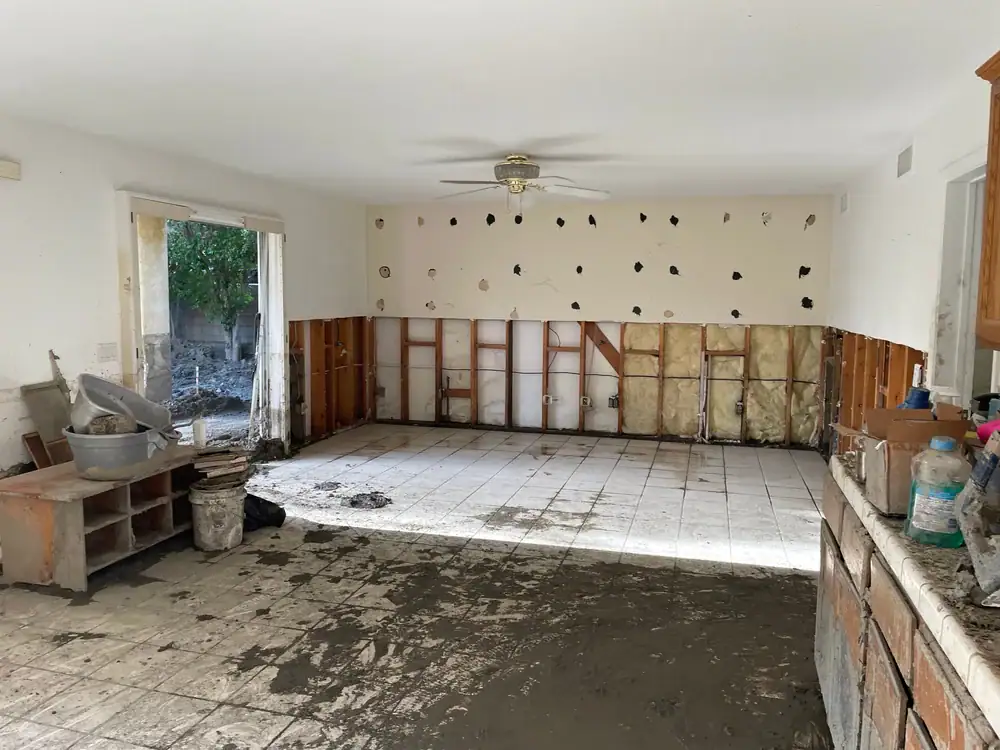
Mold spores begin germinating within 24 to 48 hours when they have moisture, organic material (like drywall, wood, or carpet), and moderate temperatures. That’s why water damage restoration is genuinely time-sensitive—not as a sales tactic, but as a biological reality.
If water sits for more than 48 hours, you’re likely dealing with mold remediation on top of water damage restoration, which means more extensive work, higher costs, and potentially more insurance complications. Some mold species produce mycotoxins that create health concerns, especially for people with respiratory sensitivities or compromised immune systems.
Our 60 to 90 minute response time and immediate equipment deployment are designed to start the drying process before mold gets a foothold. We use commercial dehumidifiers that pull gallons of moisture from the air daily, air movers that create rapid evaporation, and moisture meters that tell us when materials have actually dried to acceptable levels (usually below 15% moisture content for wood, lower for concrete).
It depends entirely on the water source and your specific policy. Insurance typically covers “sudden and accidental” water damage—burst pipes, appliance malfunctions, storm-driven rain through damaged roofs, ice dam leaks, and sudden sump pump failures. They usually don’t cover gradual damage from long-term leaks you should have noticed, flooding from external water sources (that requires separate flood insurance), or neglected maintenance issues.
That’s why documentation matters from minute one. We photograph everything, note the water source, map the affected areas, and create estimates using Xactimate software that insurance adjusters use themselves. Our claims liaison contacts your insurance company directly, provides the documentation they request, and answers their questions in the language they understand.
If your claim gets denied or disputed, you have thorough records showing exactly what we found, what we did, and why it was necessary. Many Frances homeowners don’t realize their policy covers emergency mitigation costs even before the adjuster visits—we help you understand your coverage and document everything properly so you’re not paying out-of-pocket for covered work.
Small, contained water damage in ideal conditions might dry in three to five days. Larger losses, high humidity, poor airflow, or water that soaked into structural materials can take seven to ten days or longer. There’s no honest way to give you an exact timeline before we see the damage and start monitoring drying progress.
Drying time depends on several factors: how much water, what materials got wet (carpet dries faster than hardwood, drywall faster than plaster), temperature and humidity levels, and how quickly we started the process. A burst supply line that ran for two hours affects a property differently than a slow toilet leak that went unnoticed for three days.
We take moisture readings every 48 hours and adjust equipment based on what the meters show, not what the calendar says. When materials reach acceptable moisture levels and stay there for 24 hours, we know drying is complete. Pulling equipment too early means moisture wicks back from deeper materials and you’re dealing with mold growth two weeks later. We don’t rush the science—we follow it until your property is genuinely dry and documented as such.
Categories describe how contaminated the water is. Class describes how much water and what materials absorbed it. Both determine the restoration approach and cost.
Category 1 is clean water from supply lines or rainwater—sanitary at the source but can degrade to Category 2 if it sits for 48 hours. Category 2 is gray water with some contamination like washing machine discharge or toilet overflow (urine only)—requires antimicrobial treatment. Category 3 is black water from sewage backups, flooding, or any water that contacted contaminated surfaces—requires extensive sanitization and often material removal.
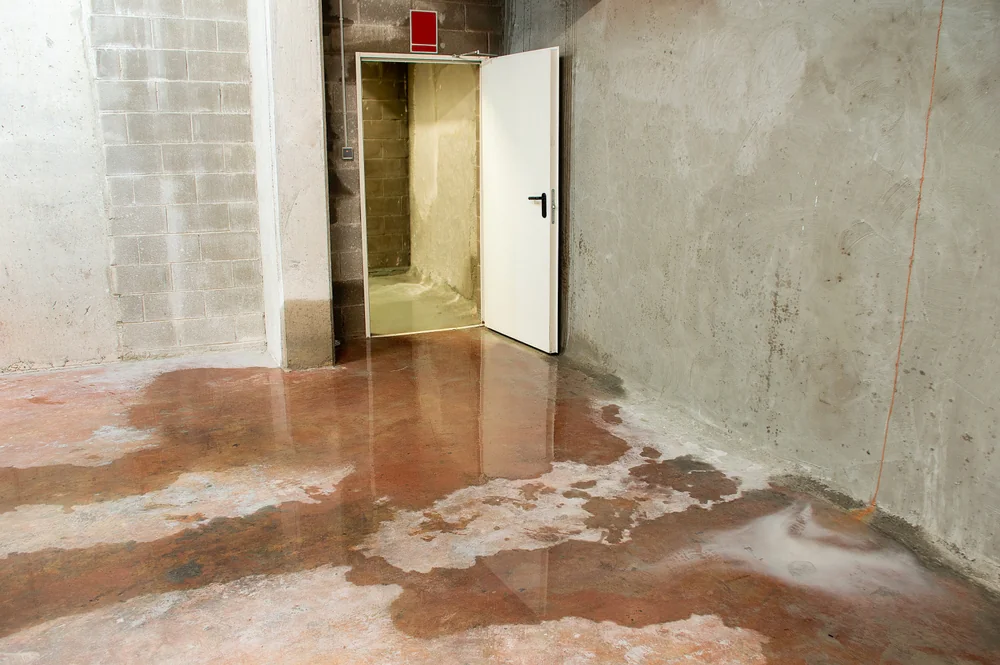
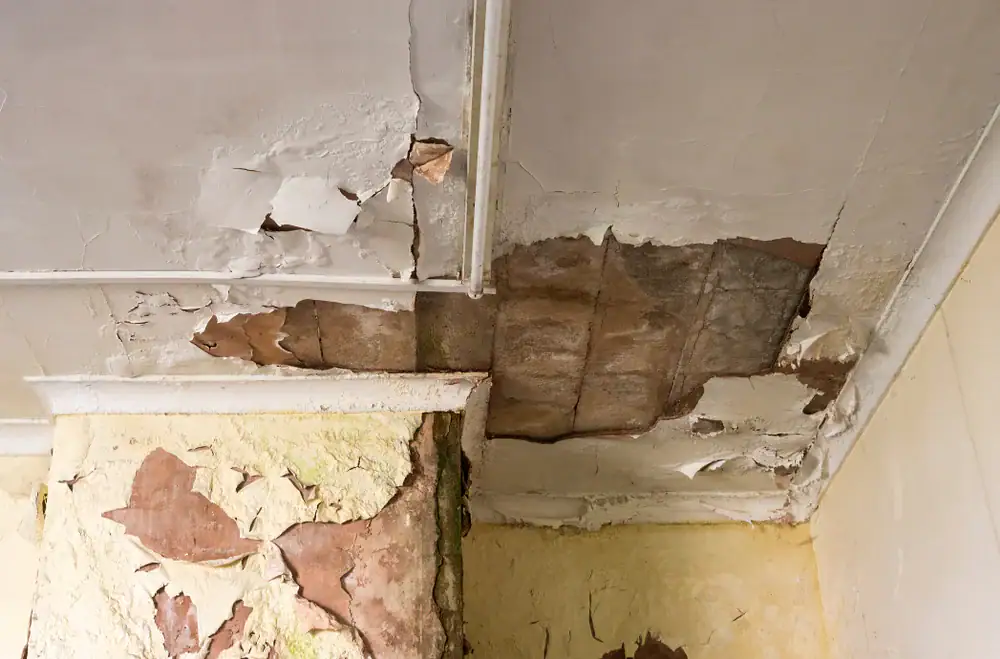
Class 1 affects minimal area with low absorption (water on sealed concrete). Class 2 affects an entire room with significant absorption into materials (carpet and pad soaked). Class 3 means water came from overhead or affected walls, ceilings, insulation, and structural materials (overhead pipe burst). Class 4 involves specialty drying for hardwood, plaster, concrete, or stone that absorbed deep moisture.
A Category 1, Class 2 loss (clean water soaking carpet in one room) costs and takes less time than a Category 3, Class 3 loss (sewage backup affecting multiple rooms with wall saturation). We assess both factors during the initial inspection and explain exactly what you’re dealing with and why the recommended approach matches the situation.
Yes, and it’s one of our core differentiators. We have a dedicated claims liaison who contacts your insurance company, provides the documentation they need, answers adjuster questions, and follows up on claim status. You’re not stuck playing phone tag between the restoration company and the insurance company trying to translate between two different languages.
We create estimates using Xactimate, the same software most insurance adjusters use, which means our line items, pricing, and scope match what they expect to see. When an adjuster visits your property, we’re available to walk through the damage with them, explain our approach, and provide any additional documentation they request on the spot.
This matters because insurance claims get delayed or denied most often due to insufficient documentation, unclear scope, or pricing that doesn’t align with the adjuster’s software. We eliminate those friction points by speaking their language from day one. You still own the claim and make final decisions, but you have an experienced advocate handling the technical communication and paperwork that bogs down most homeowners.
Our goal is getting your claim approved for the full scope of necessary work so you’re not covering gaps out-of-pocket or settling for incomplete restoration because the paperwork was too complicated.
You can try, but household fans move air without creating the rapid evaporation commercial air movers produce, and they do nothing to remove moisture from the air itself. Water evaporates from materials into the air—if that air stays humid, evaporation slows dramatically or stops. That’s why professional restoration uses dehumidifiers alongside air movers.
The bigger risk is hidden moisture. Water wicks into wall cavities, under flooring, into insulation, and through structural materials where you can’t see it. It looks dry on the surface while moisture sits trapped inside, creating perfect conditions for mold growth you won’t discover until you smell it or see it weeks later. By then, you’re dealing with mold remediation costs on top of the original water damage.
Professional equipment includes moisture meters that measure water content inside materials, thermal imaging that shows moisture patterns behind walls, and commercial dehumidifiers that pull 10 to 20 gallons of water per day from the air. We know where to look for hidden moisture, how to create proper airflow patterns, and what moisture levels indicate complete drying versus surface drying.
If your insurance covers the loss, trying to DIY it first can actually complicate your claim. Adjusters want to see that mitigation started immediately with proper equipment and documentation. Waiting three days to see if your fans work means mold may have started, secondary damage may have spread, and your claim may face more scrutiny. The 60 to 90 minutes it takes us to arrive is almost always worth it compared to the risks of delayed or inadequate drying.
Other Services we provide in Frances