Hear from Our Customers
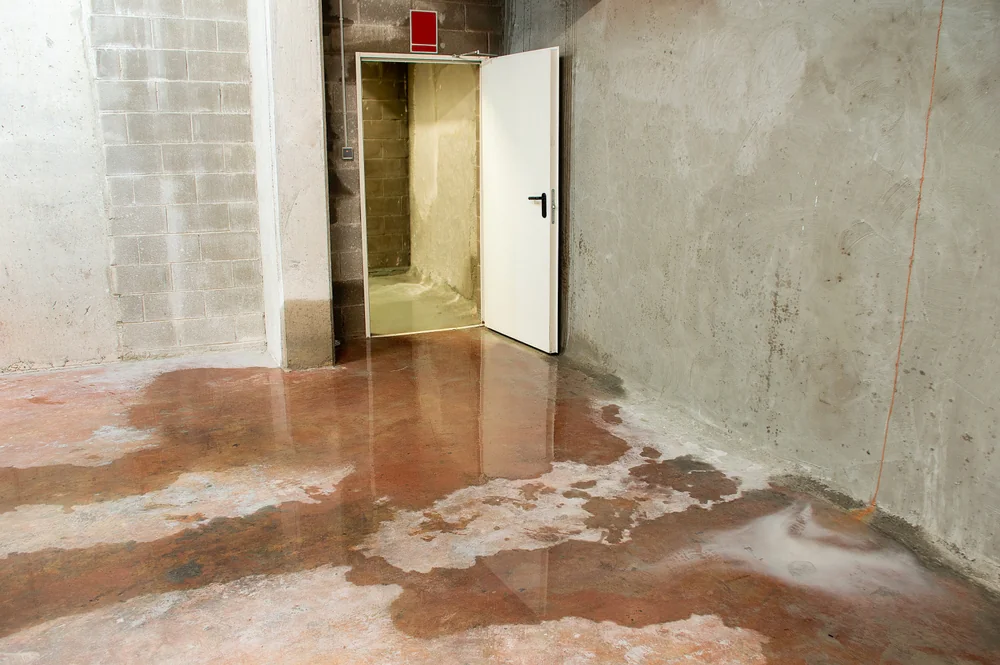
Water doesn’t wait, and neither should you. Every hour that passes after a pipe bursts, a basement floods, or storm water seeps in gives mold a better chance to take root. FEMA says mold can start growing within 24 to 48 hours—which means your window to act is narrow.
You need someone who picks up the phone, shows up fast, and knows exactly what to do. That’s where emergency water removal makes the difference between a quick fix and a months-long nightmare.
Our water damage restoration process starts the moment you call. We extract standing water, set up industrial drying equipment, and monitor moisture levels in walls, floors, and crawl spaces you can’t see. Within 24 hours, you’ll have documentation, photos, and a moisture map—not just for your records, but for your insurance claim.
The outcome? Dry property. No guessing. No lingering dampness that turns into a mold problem three weeks later. You get your space back, and you move on.
We’ve been handling water damage cleanup across Central Indiana since 2016. We’re a family-owned water restoration company with IICRC certifications in Water Damage Restoration (WRT), Applied Structural Drying (ASD), and Applied Microbial Remediation (AMRT). That’s not alphabet soup—it’s proof our team follows the same protocols your insurance company expects.
Gale and the surrounding areas deal with aging infrastructure, freeze-thaw cycles, and increasingly heavy spring rains. We’ve seen it all: sump pump failures, burst supply lines, roof leaks after ice dams, and basements that flood every time the forecast calls for two inches or more. We know what Central Indiana properties are up against.
You’ll reach a live person when you call, day or night. We’ll be on-site in 60 to 90 minutes in most cases, and we’ll walk you through what happens next—no runaround, no jargon you don’t need.
First, we answer. You talk to a real person who logs your situation and dispatches a crew immediately. Most of the time, we’re on our way within an hour.
When we arrive, we assess the source and scope of the water damage. Is it clean water from a supply line, or gray water from an appliance? Is the subfloor soaked? Are the walls wicking moisture up from the baseboards? We use thermal imaging and moisture meters to find what you can’t see.
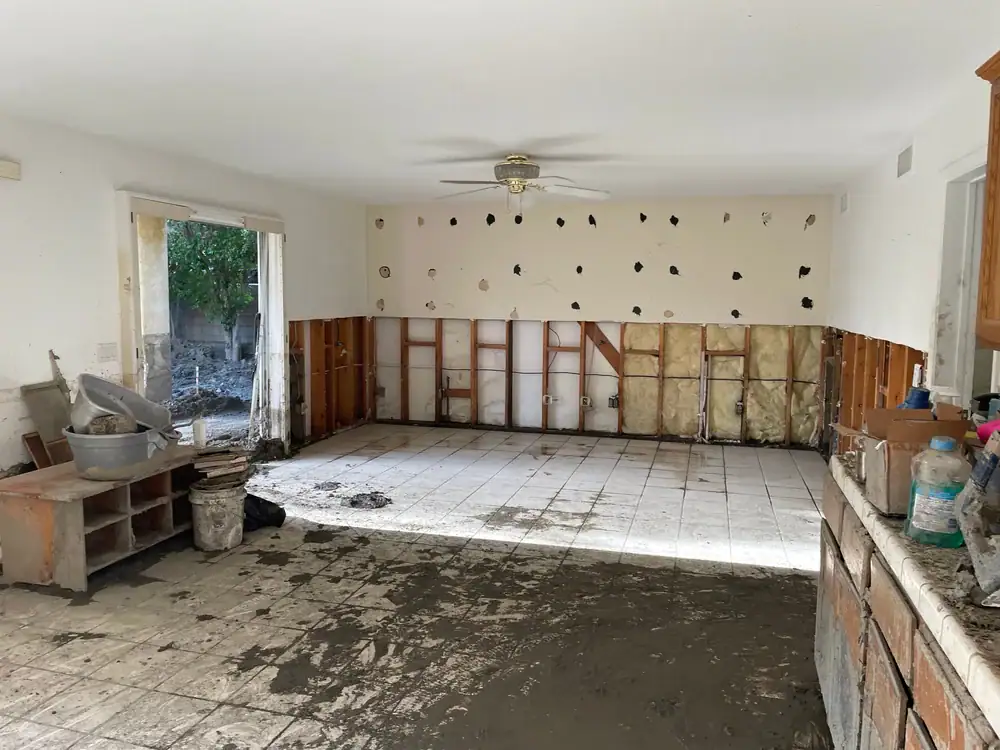
Next, we extract standing water and begin the drying process. That means commercial-grade dehumidifiers, air movers, and sometimes controlled demolition if drywall or insulation is too saturated to save. We set up containment barriers and HEPA filtration to protect the rest of your property.
Within 24 hours, you get a full report: photos, moisture readings, equipment placement, and a timeline. Every 48 hours after that, we update you on progress. When the job’s done, we do a walkthrough with you and follow up again in 14 days to make sure everything stayed dry.
If you’re filing an insurance claim, we handle the documentation and communicate directly with your adjuster. Our pricing aligns with Xactimate, the software most insurers use, so there’s no sticker shock or back-and-forth over line items.
Ready to get started?
You’re not just getting water extraction. You’re getting a full damage restoration service that covers every step from emergency response to final sign-off.
We handle contents pack-out if your belongings need to be cleaned, dried, or stored off-site during the restoration. We dry crawl spaces, which are notorious for trapping moisture and turning into mold farms. We neutralize odors that come with prolonged water exposure. If your HVAC ducts were affected, we clean those too.
For properties in Gale and across Central Indiana, we also account for the local climate. Indianapolis sees about 40 inches of precipitation a year, and that number’s climbing. Wetter winters and springs mean more freeze-thaw cycles, more basement seepage, and more storm-related flooding. Older homes—many built before updated drainage and waterproofing standards—are especially vulnerable.
We protect unaffected areas with physical barriers and negative air pressure. Our team wears shoe covers, keeps work zones contained, and treats your property like it’s our own. And if reconstruction is needed after demo, we handle that too—so you’re not coordinating between three different contractors.
We’re typically on-site within 60 to 90 minutes of your call, and we’re available 24 hours a day, 365 days a year. When you call, you reach a live person immediately—not an answering service or voicemail.
Speed matters because water damage gets worse by the hour. The longer water sits, the deeper it soaks into subflooring, drywall, and insulation. Mold can start forming within 24 to 48 hours, and once it does, you’re dealing with a separate remediation project on top of the original water damage.
Our dispatch system prioritizes emergencies, and our crews are staged to cover Gale and the surrounding Central Indiana area quickly. When we say we’re on the way, we mean it.
It depends on the source of the water and your specific policy. Most homeowners insurance policies cover sudden and accidental water damage—like a burst pipe, a failed water heater, or storm-related roof leaks. They typically don’t cover damage from long-term neglect, like a slow leak you ignored for months, or flooding from external sources like rising rivers (that requires separate flood insurance).
We work directly with your insurance company to document everything they need: photos, moisture maps, equipment logs, and detailed estimates using Xactimate, the pricing software most adjusters rely on. We’ll communicate with your adjuster throughout the process so you’re not stuck playing middleman.
If your claim gets denied or disputed, we provide the documentation you need to appeal. And if you’re paying out of pocket, we offer discounts for military members, seniors, first responders, and teachers on non-insurance jobs.
Mold prevention starts with thorough drying, and thorough drying requires more than fans and open windows. We use commercial dehumidifiers, high-velocity air movers, and moisture meters to track progress in real time. We don’t rely on how things look or feel—we measure.
Our team monitors moisture levels in structural materials like studs, subfloors, and drywall. Even if the surface feels dry, trapped moisture deeper in the material can still feed mold growth. We keep drying equipment running until readings hit the industry-standard dry goal, which varies depending on the material and the extent of saturation.
We also set up containment and HEPA filtration during the process to keep airborne spores from spreading to unaffected areas. If materials like insulation or drywall are too saturated to dry properly, we remove them. Trying to save a $50 section of drywall isn’t worth the risk of a $5,000 mold remediation project later.
Drying things out is one part of water damage restoration—but it’s not the whole job. Restoration means returning your property to its pre-loss condition, and that involves assessment, extraction, drying, monitoring, cleaning, and sometimes reconstruction.
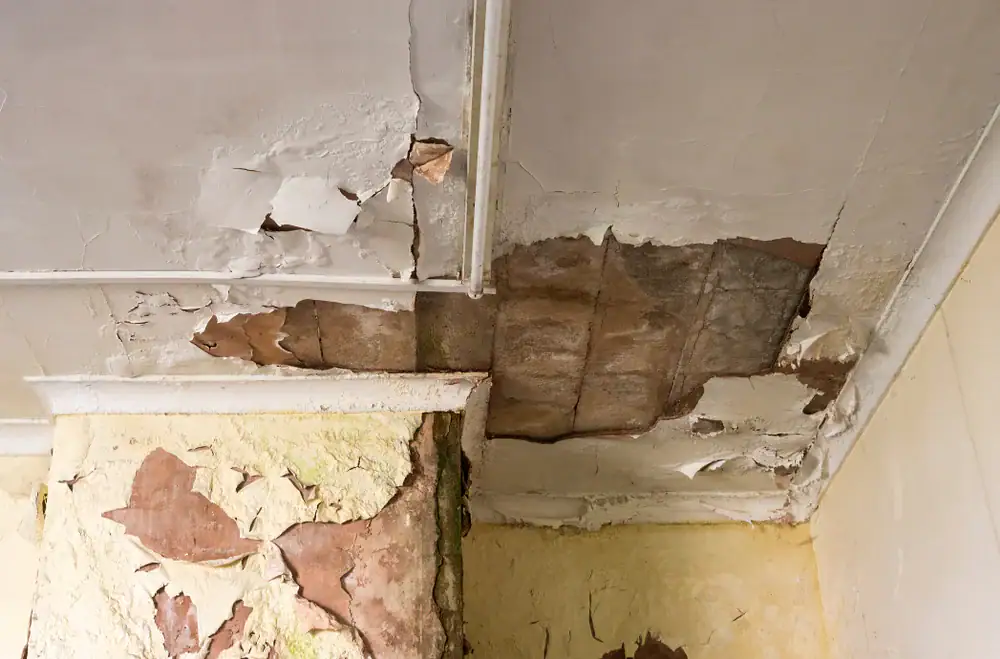
A lot of water damage happens where you can’t see it. Water travels through wall cavities, under flooring, and into crawl spaces. If you only dry what’s visible, you’re leaving moisture behind that will cause problems later—warped floors, peeling paint, musty odors, and mold.
We use thermal imaging to find hidden moisture, and we track drying progress with daily readings. We document everything so there’s a clear record of what was affected, what we did, and when the property returned to normal moisture levels. If insurance is involved, that documentation is critical. And if reconstruction is needed after we remove unsalvageable materials, we handle that too, so you’re not managing multiple contractors.
It depends on the extent of the damage, the materials affected, and how quickly we can get started. A small, contained leak might be dried out in three to five days. A flooded basement or multi-room event can take a week or more.
Drying time isn’t something you can rush. Structural materials like hardwood, subfloor, and drywall release moisture slowly, and trying to speed up the process by cranking up heat or airflow without proper monitoring can actually cause secondary damage like cracking or warping.
We give you a realistic timeline during the initial assessment, and we update you every 48 hours as conditions change. Our goal is to get you back to normal as fast as possible—without cutting corners that lead to problems down the road. Once drying is complete, we do a final walkthrough and follow up with you 14 days later to make sure everything stayed dry.
Yes. We’re trained and equipped to handle Category 3 water damage, which includes sewage backups, toilet overflows with feces, and any water contaminated with harmful bacteria or pathogens. This type of damage requires different protocols than clean water from a supply line.
Category 3 water is a health hazard. It requires protective equipment, antimicrobial treatment, and often more aggressive removal of affected materials. Porous materials like carpet, padding, and drywall that come into contact with sewage usually can’t be saved—they have to be removed and disposed of properly.
We follow IICRC S500 standards for contaminated water, which means containment, proper PPE, HEPA filtration, and thorough disinfection of all affected surfaces. If the damage involves biohazard materials, we’re certified to handle that too. You shouldn’t be exposed to that risk, and neither should anyone else in the property.
Other Services we provide in Gale