Sewage backups aren't just messy—they're dangerous. Discover why professional cleanup protects your health and property better than any DIY attempt.

Raw sewage isn’t just dirty water. It’s a biohazard that contains some of the most dangerous pathogens you can encounter in your home. When sewage backs up through your drains, toilets, or basement floor, you’re exposed to harmful bacteria like E. coli and Salmonella, viruses including Hepatitis A and Norovirus, and parasites like Giardia that cause severe gastrointestinal illness.
But the contamination doesn’t stop at what you can see. Sewage releases toxic gases including methane, ammonia, and hydrogen sulfide. Methane can displace oxygen in enclosed spaces, leading to dizziness or unconsciousness. Ammonia irritates your throat and lungs, causing coughing and difficulty breathing. Hydrogen sulfide is highly toxic and can cause headaches, nausea, and long-term lung damage with prolonged exposure.
Direct contact with sewage water—even brief exposure—can lead to skin rashes, infections, and bacterial contamination of open cuts or wounds. If you have compromised immunity, respiratory conditions, or young children in your home, the risks multiply. These aren’t scare tactics. Over two million cases of illness are linked to sewage exposure each year in the United States, and E. coli bacteria can survive on surfaces for more than 100 days under certain conditions.
When sewage floods your basement, the urge to start cleaning immediately makes sense. You want your home back to normal. But here’s what most homeowners don’t realize: you don’t have the equipment, training, or protective gear necessary to safely handle Category 3 black water contamination.
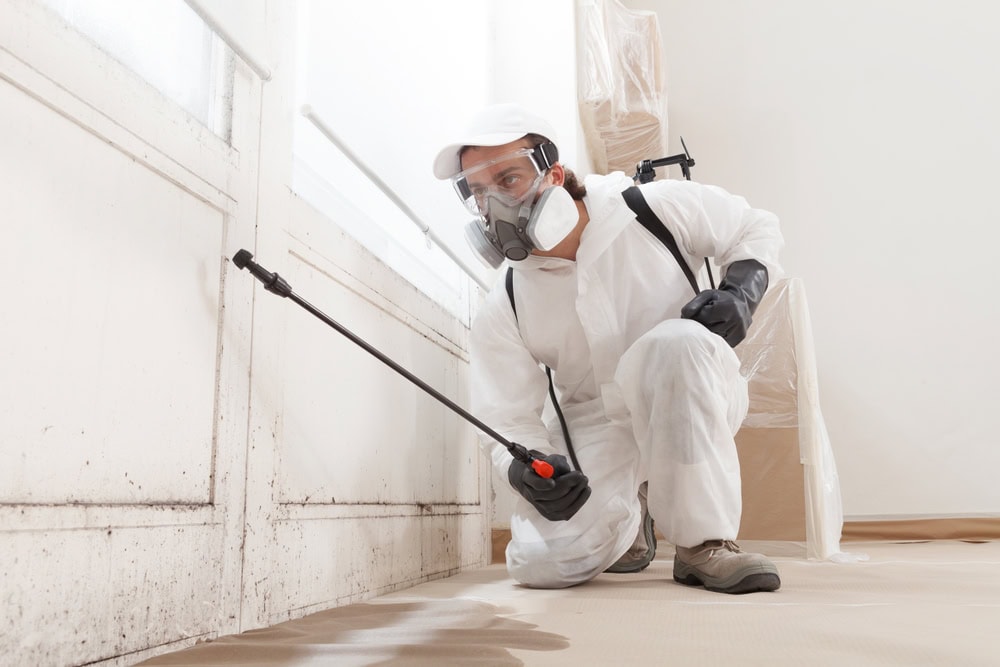
Standard household gloves and a face mask aren’t enough protection. Professional sewage cleanup technicians wear full personal protective equipment including respirators with HEPA or P100 filters, waterproof coveralls, rubber boots, and eye protection. We’re trained in biohazard containment protocols that prevent cross-contamination to unaffected areas of your home. Without this level of protection, you’re directly exposing yourself to the same pathogens that cause cholera, polio, and hepatitis.
Even if you manage to remove the visible sewage, DIY cleanup almost always leaves contamination behind. Sewage seeps into porous materials like drywall, carpet, carpet padding, and wood subfloors. These materials can’t be cleaned—they must be removed and properly disposed of according to local regulations. Using a household wet vacuum or mop only spreads bacteria to other surfaces. Incomplete sanitization means harmful pathogens remain in your home, continuing to pose health risks long after you think the cleanup is finished.
Then there’s the disposal problem. You can’t just bag up sewage-contaminated materials and leave them at the curb. Local agencies have strict regulations about hazardous waste disposal, and improper handling can result in fines and legal liability. We know exactly where and how to dispose of contaminated materials safely and legally.
The biggest risk? Hidden moisture that leads to rapid mold growth. Mold can begin colonizing within 24 to 48 hours after sewage exposure. Once mold takes hold behind your walls or under your floors, you’re facing a secondary disaster that compounds both health risks and repair costs. DIY methods simply can’t achieve the thorough drying required to prevent mold—that requires industrial dehumidifiers, air movers, and moisture detection equipment that most homeowners don’t own.
Understanding why sewage backups happen in Central Indiana helps you recognize warning signs before a full-blown emergency occurs. The most common culprit is heavy rainfall overwhelming combined sewer and stormwater systems. When storm drains fill beyond capacity, the path of least resistance is often back through the drain lines of homes connected to the system. Greenwood’s sanitation system alone maintains nearly 500 miles of sewer pipe serving more than 24,000 residents in northern Johnson County, and during severe weather events, that infrastructure can become overloaded.
Tree root infiltration causes significant problems throughout the area. As trees search for moisture during dry months, their roots extend deeper into the ground and can penetrate older sewer lines, especially those made of clay or metal. Once roots break through, they continue growing inside the pipe, creating blockages that prevent proper drainage. Eventually, wastewater has nowhere to go except back into your home.
Aging infrastructure is another major factor. Many sewer lines in established neighborhoods were installed in the early to mid-1900s and are nearing the end of their 75 to 100-year lifespan. These deteriorating pipes are more susceptible to cracks, collapses, and blockages. Homeowners in older areas of Greenwood, Franklin, Carmel, and Fishers face higher risks simply due to the age of their sewer connections.
Clogs from improper disposal also trigger backups. Flushing items that don’t belong in your sewer system—including “flushable” wipes, feminine hygiene products, paper towels, and grease—creates blockages that build up over time. Grease is particularly problematic because it solidifies inside pipes and traps other debris, eventually creating a complete obstruction. What starts as slow-draining sinks or toilets can quickly escalate to full sewage backup if the underlying blockage isn’t addressed.
Septic system failures affect rural properties and older homes not connected to municipal sewer systems. Without proper maintenance, septic tanks can overflow, causing raw sewage to seep into your home or yard. The Indiana Department of Health recommends annual septic inspections and pump-outs every three to five years, but many property owners skip this maintenance until problems arise.
Want live answers?
Connect with a Elite Clean Restoration expert for fast, friendly support.
Cost is one of the first questions property owners ask when facing sewage backup, and the answer depends on several factors. Industry averages show that sewage cleanup typically ranges from $2,000 to $10,000, with most residential jobs falling between $5,000 and $8,000 for a significantly contaminated basement or crawlspace. Small spills from toilet overflows or minor drain backups might cost between $1,000 and $2,000, while extensive damage involving structural repairs can reach $50,000 in severe cases.
Several variables influence your final bill. The extent of contamination matters most—a backup confined to one small area costs far less than sewage that’s spread throughout a finished basement. The type of materials affected also impacts pricing. Removing and replacing carpet, padding, drywall, and insulation adds to expenses, but these porous materials can’t be saved once they’ve absorbed sewage. The location of the damage affects costs too, with finished living spaces requiring more extensive restoration than unfinished basements.
Emergency response fees apply when you need immediate service outside normal business hours, though we include 24/7 availability as standard practice. The urgency of the situation often justifies these costs—every hour that sewage sits in your home increases the damage and health risks. We can typically arrive within 60 minutes and begin extraction immediately, preventing the kind of extensive damage that happens when cleanup is delayed.
Here’s what catches most homeowners off guard: standard homeowners insurance policies don’t typically cover sewage backup damage. You need a specific endorsement or rider added to your policy to have this protection. The good news is that sewage backup coverage is relatively affordable, usually costing between $40 and $250 per year depending on your location and coverage limits.
These endorsements typically provide between $5,000 and $25,000 in coverage, which handles most residential sewage cleanup situations. However, if you have finished basement spaces with expensive flooring, furniture, or electronics, that coverage limit might not be enough. Sewage damage claims are unique because contaminated porous materials usually can’t be cleaned and saved—they must be removed and replaced. This drives up costs compared to clean water damage, where more items can potentially be salvaged.
Some policies have separate coverage limits specifically for sewage backup claims, often in the $5,000 to $10,000 range. Importantly, many sewage backup endorsements don’t carry a separate deductible, which means you might not have any out-of-pocket costs before coverage kicks in. Check your policy details or contact your insurance agent to understand exactly what’s covered.
Coverage typically includes professional cleanup and restoration costs, removal and disposal of contaminated materials, sanitization and deodorization, and repairs to damage caused by the backup. What’s usually not covered is the actual repair of your sewer line itself if the damage resulted from poor maintenance, tree roots, or normal wear and tear. That’s considered a separate issue from the backup damage inside your home.
The key to maximizing your insurance coverage is documenting everything. Take photos and videos of all affected areas before cleanup begins. Keep detailed records of damaged items and their approximate value. Save all receipts related to the backup, including emergency services, temporary lodging if you can’t stay in your home, and any immediate mitigation steps you took. We understand the insurance claims process and can provide the documentation your insurer needs, often working directly with your insurance adjuster to streamline the process.
If your municipality’s sewer system caused the backup—for example, a blockage in the main city line—the city might be liable for damages. This is rare and depends on specific circumstances, but it’s worth investigating if you believe the backup resulted from municipal system failure rather than issues with your private line.
Professional sewage cleanup follows a systematic process designed to eliminate contamination, protect your health, and restore your property to its pre-damage condition. Understanding these steps shows you why professional service delivers results that DIY attempts simply can’t match.
The process starts with a thorough assessment. Our certified technicians arrive wearing full protective gear and evaluate the extent of contamination, identify the source of the backup, and determine which materials can be saved versus what must be removed. We’ll check for structural damage, electrical hazards, and hidden moisture that could lead to mold growth. This assessment creates a detailed action plan and provides documentation for your insurance claim.
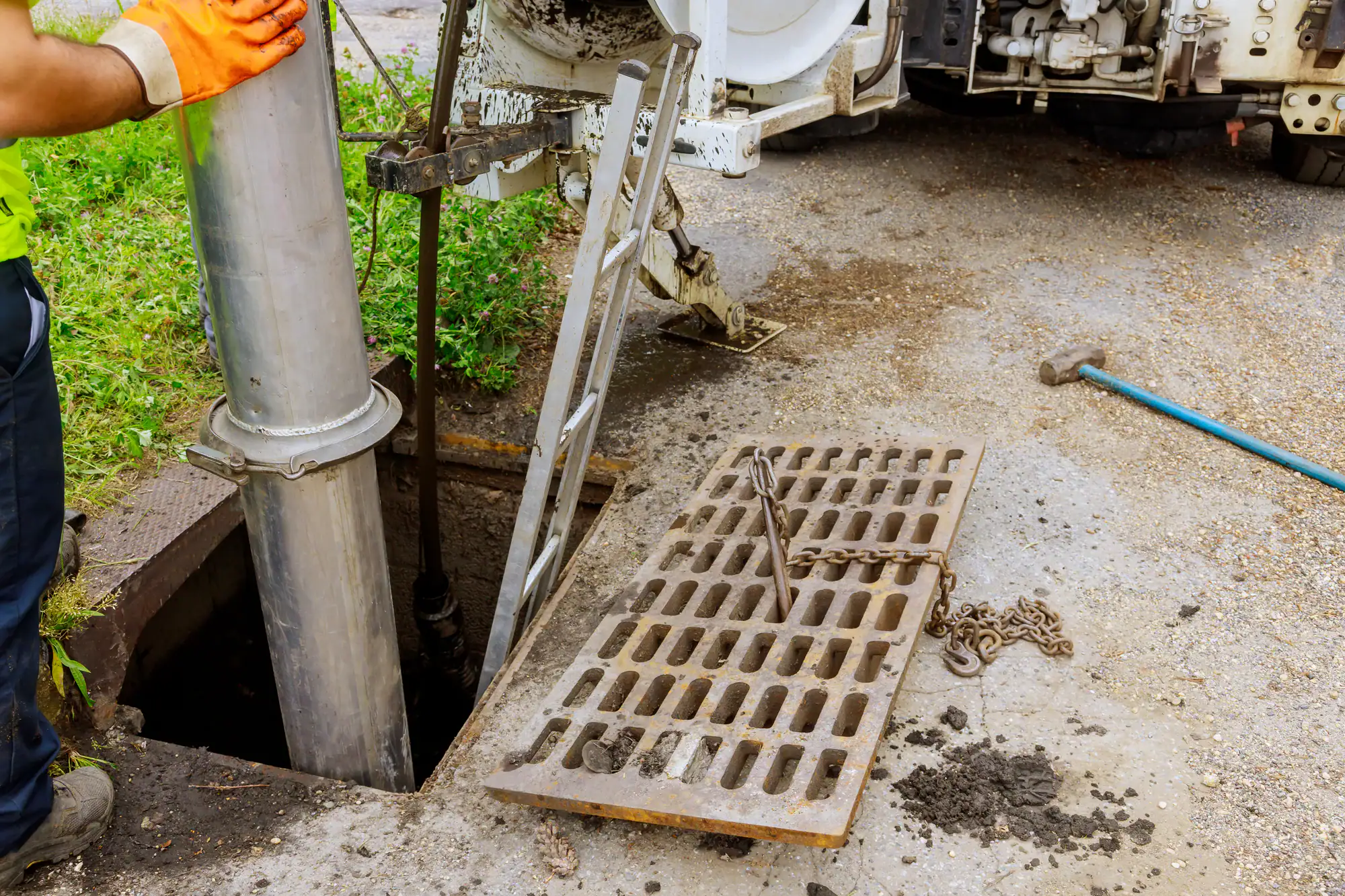
Next comes sewage extraction and water removal. We use powerful truck-mounted vacuum systems with large capacity tanks—often 300 gallons or more—to remove standing sewage quickly and efficiently. These specialized systems are designed specifically for hazardous waste removal and prevent cross-contamination during the extraction process. They’re far more effective than any equipment available to homeowners.
Contaminated materials are then removed and properly disposed of. This includes all porous items that absorbed sewage: carpet and padding, drywall that wicked up contaminated water, insulation, wood trim, and any personal belongings that can’t be thoroughly sanitized. Our teams know exactly which materials must go and how to remove them safely without spreading contamination to clean areas of your home. We also handle disposal according to local regulations, protecting you from legal liability.
Thorough cleaning and sanitization follows removal. All remaining hard surfaces—concrete floors, studs, joists, and non-porous materials—are cleaned with hospital-grade disinfectants that eliminate bacteria, viruses, and parasites. This isn’t a one-time wipe-down. It’s a multi-step process using EPA-approved antimicrobial treatments specifically designed for sewage contamination. We also clean and disinfect HVAC systems if they were affected, preventing contaminated air from circulating through your home.
Drying and dehumidification are critical steps that prevent mold growth. Industrial air movers and commercial dehumidifiers run continuously until moisture levels return to normal. We use infrared moisture detection equipment to identify hidden water in wall cavities, under flooring, and in other areas you can’t see. We monitor moisture levels daily until everything is completely dry—usually taking several days depending on the extent of damage.
Odor removal completes the sanitization process. Sewage leaves behind persistent odors that can’t be masked with air fresheners. We use HEPA air scrubbers, hydroxyl generators, or ozone treatments to eliminate odors at the molecular level. These treatments neutralize odor-causing bacteria rather than just covering up smells.
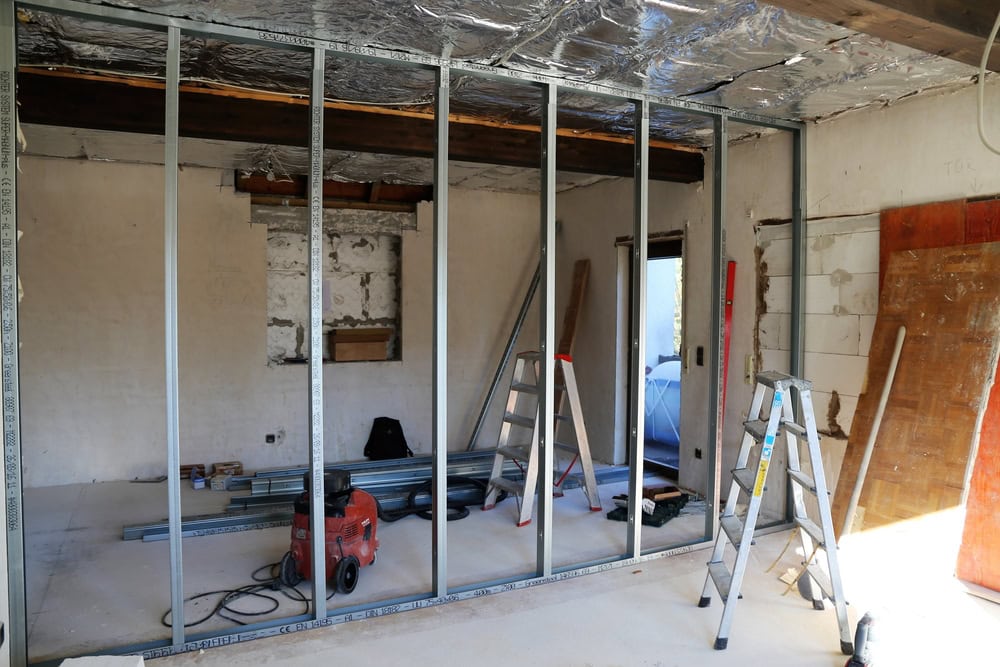
Finally, restoration brings your property back to its original condition. This might include installing new drywall, flooring, trim, and paint. We provide full reconstruction services, so you’re not left searching for contractors to finish the job. From start to finish, professional sewage cleanup typically takes one to three days for extraction and sanitization, with full restoration completed within a week to ten days depending on the scope of repairs needed.
Sewage backup is one of the most hazardous situations you can face as a property owner, and the decisions you make in the first few hours determine whether you’re looking at a contained cleanup or extensive damage with long-term health consequences. The most important takeaway is this: never attempt to clean up sewage on your own. The health risks are too significant, the contamination too thorough, and the consequences of incomplete cleanup too serious.
Professional sewage removal services exist because this work requires specialized training, industrial equipment, and strict safety protocols that protect both you and the technicians doing the work. When you’re dealing with Category 3 black water contamination, half-measures don’t work. You need complete extraction, proper disposal, thorough sanitization, and verified drying to prevent mold growth. That’s not something you can achieve with household supplies and good intentions.
If you’re facing sewage backup in Johnson County, Hamilton County, or Hendricks County, we provide 24/7 emergency response with trained technicians who can be on-site within 60 minutes in most cases. Don’t wait for contamination to spread or mold to take hold. Get professional help immediately to protect your property and your family’s health.
Summary:
Article details:
Share: