Discover how fast-response commercial restoration protects your business from extended downtime, coordinates insurance claims, and gets you back to serving customers in Central Indiana.
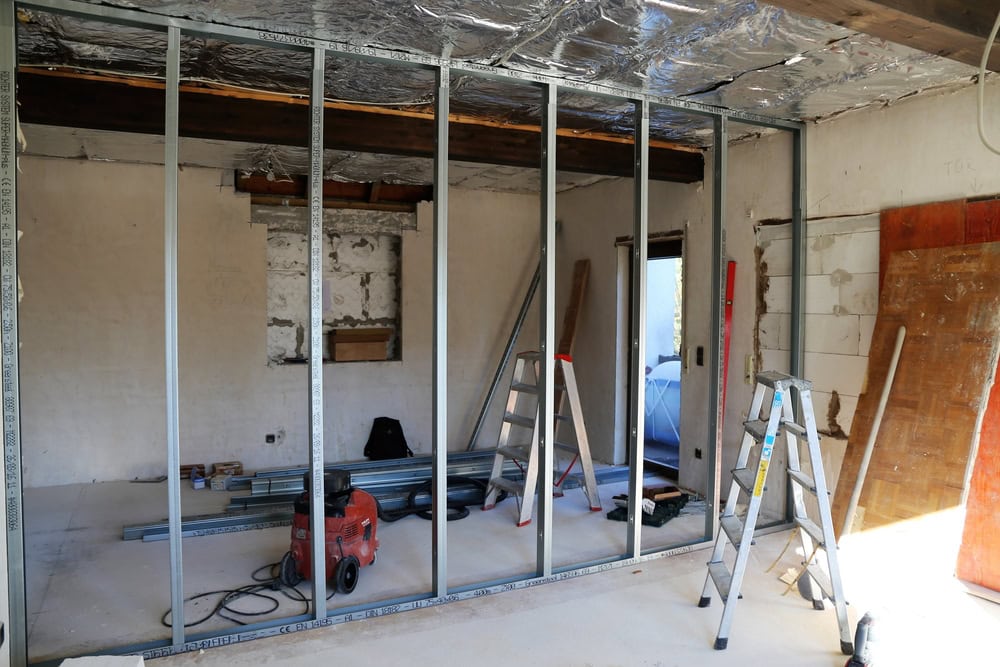
Commercial restoration covers the full spectrum of disaster recovery for business properties. It’s not a single service but a coordinated process that addresses immediate damage, prevents secondary problems, and rebuilds your space to pre-loss condition or better.
The scope depends on what happened. Water damage from burst pipes requires extraction and drying. Fire damage means smoke cleanup, odor removal, and structural repairs. Mold remediation involves containment, removal, and prevention strategies. Most commercial disasters involve multiple types of damage, which is why you need a team that handles all of it.
What separates commercial restoration from residential work is scale and urgency. Your 10,000-square-foot warehouse has different needs than a single-family home. You’re not just restoring a building; you’re restoring a business operation that employs people and serves customers.
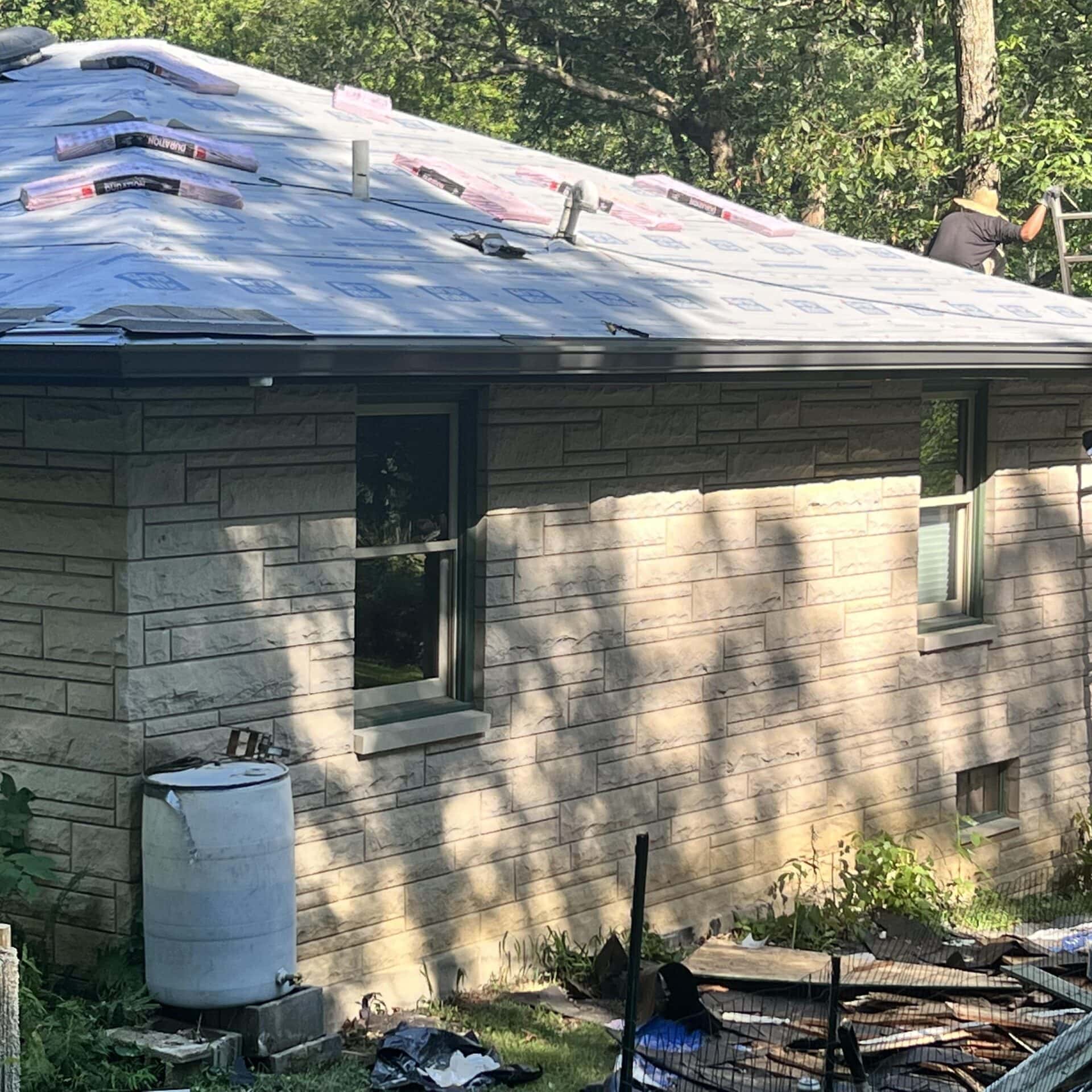
Here’s the reality most business owners don’t know until it’s too late: damage doesn’t stop when the fire is out or the water is shut off. It keeps progressing. Water continues saturating materials. Smoke residue continues corroding surfaces. Mold spores start colonizing within 24 to 48 hours.
Every hour of delay adds to your total damage and your total cost. Research shows that businesses face average downtime costs exceeding $100,000 per hour for small to mid-sized operations, with larger enterprises losing $300,000 to over $1 million hourly. Those aren’t just numbers from IT companies. They apply to restaurants that can’t serve customers, warehouses that can’t ship inventory, and offices that can’t process work.
Professional restoration companies understand this timeline. That’s why we offer 24/7 emergency response with arrival typically within one to two hours. It’s not about convenience; it’s about containment. The faster our crew arrives to extract water, stabilize fire damage, or contain mold, the less total damage your property sustains.
Speed also affects your insurance claim. Carriers expect you to mitigate damage promptly. Waiting days to call for help can complicate your coverage. Documentation from the first hours matters when adjusters review your claim months later.
The difference between calling immediately and calling tomorrow could be thousands in additional repairs, days of extra downtime, and complications with your insurance that you didn’t need to face.
Not all commercial properties face the same restoration challenges. A flooded restaurant has different priorities than a warehouse with mold or an office building after a fire. Understanding these differences helps you know what to expect and what questions to ask.
Restaurants and food service facilities deal with health code compliance on top of standard restoration. After water or fire damage, you’re not just repairing the space; you’re ensuring it meets health department standards before reopening. Grease fires create particularly stubborn residue that requires specialized cleaning. Kitchen equipment needs professional assessment to determine what’s salvageable. And every day you’re closed, you’re losing perishable inventory on top of revenue.
Warehouses and industrial spaces face challenges of scale. Large square footage means more area to dry, more potential for hidden damage, and more complex logistics. Inventory and equipment damage can run into six or seven figures. Your restoration team needs to coordinate around your supply chain, potentially creating temporary access to undamaged sections while work continues elsewhere. Phased restoration becomes critical so you’re not completely shut down.
Office buildings and professional spaces have their own concerns. Document recovery matters when files get soaked or smoke-damaged. HVAC systems can spread smoke odor and particles throughout the building if not addressed properly. Employee displacement affects productivity even if you can set up temporary workspaces. And if you lease your space, you’re coordinating between the restoration company, your landlord, and potentially multiple insurance policies.
Retail locations face the added pressure of customer perception. Visible damage affects your brand. Smoke odor drives customers away. You need restoration that’s not just functional but also maintains the appearance and atmosphere your business depends on. Timing matters even more when you’re approaching busy seasons or have scheduled events.
Each industry has specific needs, and we adjust our approach accordingly. We understand that your restaurant can’t afford a three-week timeline and that your warehouse needs partial access to keep fulfilling orders.
Want live answers?
Connect with a Elite Clean Restoration expert for fast, friendly support.
Insurance claims create stress during an already difficult situation. You’re trying to assess damage, make decisions about your business, and figure out what your policy actually covers. Most business owners aren’t insurance experts, and that’s where things get complicated.
Commercial property policies vary significantly in coverage. Some cover the building structure but not contents. Others include business interruption coverage that compensates for lost income during closure. Understanding what you have before you file a claim prevents surprises later.
Working with a restoration company that coordinates directly with insurance carriers makes this process smoother. We document damage properly from day one, provide detailed estimates that match what adjusters expect to see, and communicate in the language insurance companies use. This coordination often results in faster claim approval and more complete coverage.
Insurance adjusters have specific requirements when evaluating commercial property damage claims. They need detailed documentation, accurate estimates, and proof that you took reasonable steps to prevent further damage. Understanding what they’re looking for helps you provide it.
First, they want to see that you acted quickly to mitigate damage. This means calling for emergency services promptly, documenting the initial damage with photos and videos, and taking reasonable temporary measures to prevent additional harm. Boarding up broken windows or placing tarps over roof damage demonstrates that you’re protecting the property.
Adjusters need thorough documentation of what was damaged and its value. For commercial properties, this includes building components, equipment, inventory, and sometimes business records. We create this documentation as part of our initial assessment, using moisture meters, thermal imaging, and detailed photo records that satisfy insurance requirements.
The estimate matters significantly. Adjusters compare what restoration companies propose against their own assessments and industry standards. We provide estimates that align with how carriers calculate costs, reducing back-and-forth negotiations. We know which line items get questioned and how to justify necessary work.
Adjusters also evaluate whether proposed restoration is appropriate for the damage. Over-restoration raises flags. Under-restoration leaves you with inadequate repairs. We find that balance, recommending what’s actually needed without padding the claim or cutting corners.
Timeline documentation helps too. Insurance companies want to know when damage occurred, when it was discovered, when mitigation started, and how long restoration took. Detailed records throughout the process support your claim if questions arise later.
Many business owners don’t realize that insurance companies have their own priorities that don’t always align with yours. The adjuster represents the carrier’s interests, not yours. That’s why having your own documentation and working with restoration professionals who understand insurance requirements levels the playing field.
Indiana businesses face specific insurance challenges related to the state’s weather patterns and infrastructure. Knowing these common complications helps you prepare better and avoid claim denials.
Flood damage creates the biggest confusion. Standard commercial property policies typically don’t cover flooding from external sources like heavy rain, river overflow, or storm surge. They cover water damage from internal sources like burst pipes or roof leaks. If your Hamilton County warehouse floods during a severe storm, you need separate flood insurance through the National Flood Insurance Program. Many business owners discover this gap only after filing a claim.
Mold coverage is another gray area. Most policies cover mold remediation if it results from a covered peril like a burst pipe, but they often exclude mold from long-term neglect or maintenance issues. If mold grows because of a slow leak you didn’t address, your claim might be denied. If mold develops within 48 hours of a covered water damage event and you acted promptly, it’s typically covered. Documentation of timeline and response becomes critical.
Business interruption coverage requires specific conditions to trigger. Your property must sustain physical damage from a covered peril, and that damage must force you to close or reduce operations. Simply losing power without physical damage to your building might not qualify. The policy also has waiting periods before coverage begins and limits on how long it continues. Understanding these details prevents assumptions that leave you short on funds.
Hendricks and Johnson County businesses should pay attention to seasonal risks. Winter freeze damage from burst pipes is common, but policies might limit coverage if you didn’t maintain adequate heating or winterize vacant buildings. Spring flooding risks require separate consideration. Summer storm damage varies depending on whether it’s wind, hail, or water intrusion.
Age and condition of your property affect claims too. If your roof was already deteriorating and a storm causes additional damage, the carrier might depreciate the payout based on the roof’s remaining useful life. You might receive actual cash value rather than full replacement cost, leaving you to cover the difference.
The key to avoiding these complications is reviewing your coverage before you need it and working with restoration professionals who understand Indiana-specific risks. We can help you document conditions that support your claim and navigate the gray areas that commonly cause disputes.
Commercial disasters test every business owner. The property damage is visible and immediate. The financial impact extends far beyond the initial repair costs. Lost revenue, displaced employees, disrupted supply chains, and customer relationships all hang in the balance.
What separates businesses that recover quickly from those that struggle or close permanently often comes down to two factors: how fast they respond and who they call for help. Waiting costs you money every hour. Choosing inexperienced restoration providers costs you time, quality, and often more money in the long run.
For businesses across Hamilton, Hendricks, and Johnson Counties, having a restoration partner who understands commercial operations, coordinates insurance claims, and responds immediately when disaster strikes makes all the difference. We’ve served Central Indiana businesses for over a decade, providing the fast response and comprehensive restoration that keeps businesses operational.
Summary:
Article details:
Share: