Fire restoration involves more than cleaning soot. Discover the complete process from emergency response through reconstruction and insurance claims.
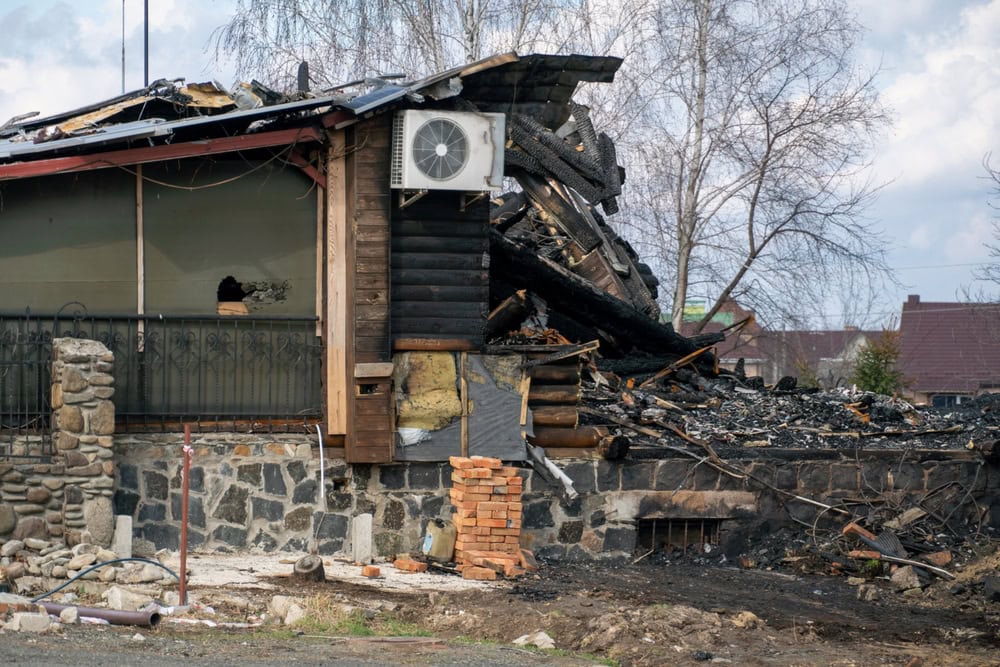
The restoration process starts with a thorough assessment. A certified technician arrives at your property—often within an hour of your call—to evaluate what you’re dealing with. We’re looking at structural integrity, smoke penetration, water damage from firefighting, and safety hazards.
This isn’t a quick glance. The assessment determines the scope of work, the equipment needed, and gives you a realistic timeline. We document everything with photos and notes, which becomes critical for your insurance claim later.
You’ll get answers to immediate questions: Is the building safe to enter? What can be saved? What needs immediate attention? This assessment sets the foundation for everything that follows.
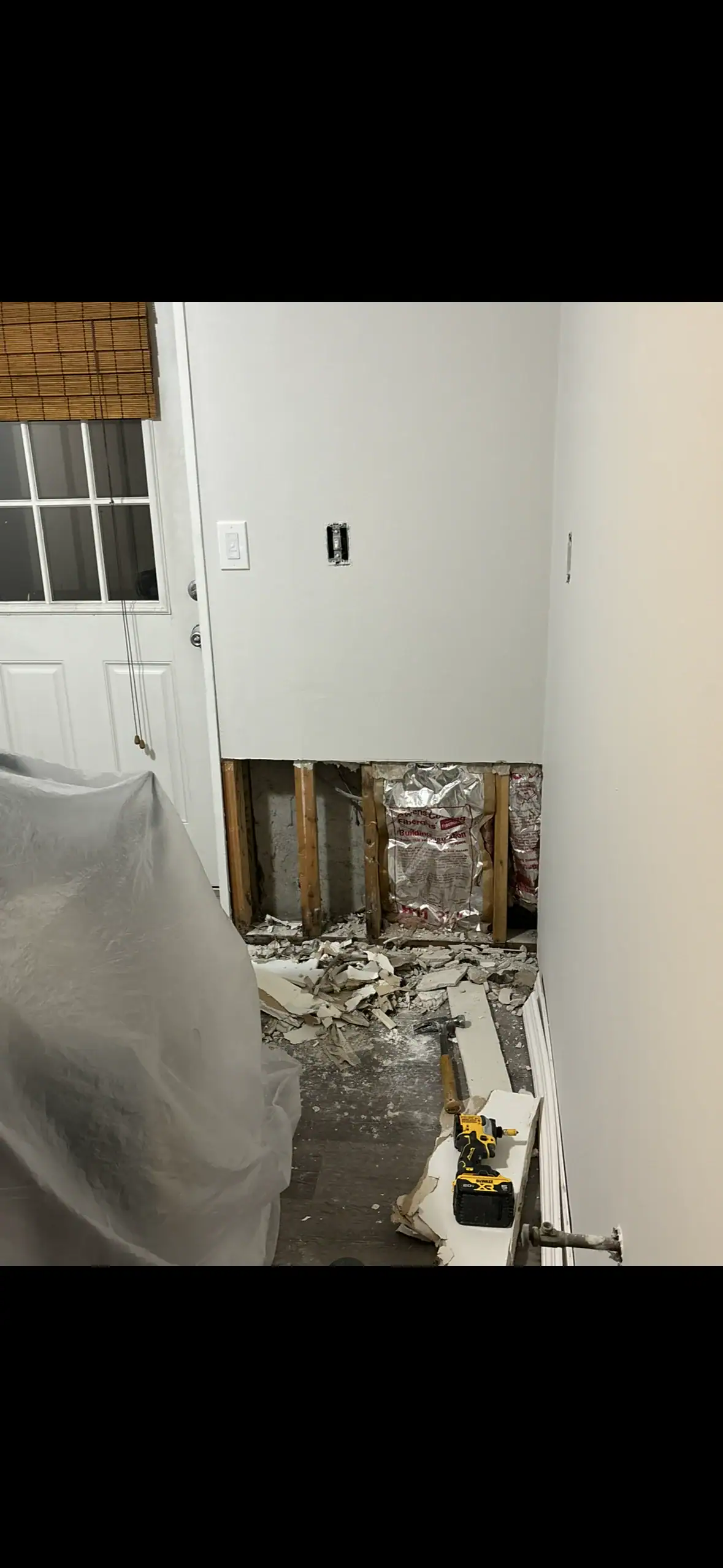
Fire damage shows up in obvious ways—charred walls, melted fixtures, collapsed ceilings. But some of the most serious problems hide where you can’t see them.
Smoke travels through your entire property, even rooms untouched by flames. It seeps into HVAC ductwork, gets trapped in wall cavities, and embeds itself in porous materials like drywall and insulation. Soot settles on every surface, and it’s acidic, meaning it continues damaging materials long after the fire is out.
Water damage from firefighting efforts creates its own set of problems. Water soaks into floors, walls, and belongings. If not addressed quickly, it leads to warping, swelling, and mold growth within 24 to 48 hours.
Structural damage might not be immediately visible either. Heat weakens wooden beams and compromises the integrity of support structures. A professional assessment identifies these hidden issues before they become dangerous.
We also check electrical systems, plumbing, and HVAC equipment. Fires can damage wiring insulation, melt pipes, and contaminate ductwork with soot and smoke particles. Each of these systems needs evaluation before the property is safe for occupancy.
During assessments in Johnson County, Hamilton County, or Hendricks County homes, we follow IICRC standards. These industry guidelines ensure nothing gets missed and the restoration meets safety requirements. The assessment report becomes your roadmap for the entire restoration process.
Once the assessment is complete, the immediate priority is securing your property. Fires often damage windows, doors, walls, and roofs, leaving your building exposed to weather, animals, and unauthorized entry.
Emergency board-up services protect what’s left. We cover broken windows with plywood, secure damaged doors, and tarp compromised roofing. This isn’t just about preventing theft or vandalism. It’s about stopping additional damage that could complicate your insurance claim.
Your insurance policy likely requires you to take reasonable steps to prevent further damage after a loss. Failing to secure the property can result in denied claims or reduced payouts for damage that occurs after the fire. Board-up services document that you acted responsibly to protect your property.
In Central Indiana, weather can change quickly. Rain, snow, or even strong winds can cause significant additional damage to a fire-compromised structure. Tarping and boarding create a temporary barrier while you work through the restoration process.
The board-up also keeps people safe. Fire-damaged buildings are unstable. Weakened floors, compromised staircases, and damaged electrical systems create hazards for anyone who enters. Securing the property prevents accidental injuries while restoration work is planned.
This step happens fast, often within hours of the initial assessment. We keep materials and equipment ready for immediate deployment. The goal is to stabilize the situation so you can focus on the next steps without worrying about your property deteriorating further.
For properties in Greenwood, Carmel, Fishers, or other areas of Johnson, Hamilton, and Hendricks counties, we understand regional weather patterns and respond accordingly. We know how quickly conditions can change and prioritize securing your property before the next storm rolls through.
Want live answers?
Connect with a Elite Clean Restoration expert for fast, friendly support.
Firefighters use thousands of gallons of water to extinguish flames. That water doesn’t just disappear. It soaks into everything—floors, walls, insulation, furniture, and belongings. Water extraction is one of the first major restoration tasks after securing the property.
We use industrial-grade pumps and vacuums to remove standing water. Then we bring in commercial dehumidifiers and air movers to dry out materials that absorbed moisture. This process can take several days, depending on how much water was used and how deeply it penetrated.
Drying isn’t optional. Water left in building materials leads to warping, rot, and mold growth. Mold can start developing within 24 to 48 hours in damp conditions, creating health hazards and additional restoration costs.
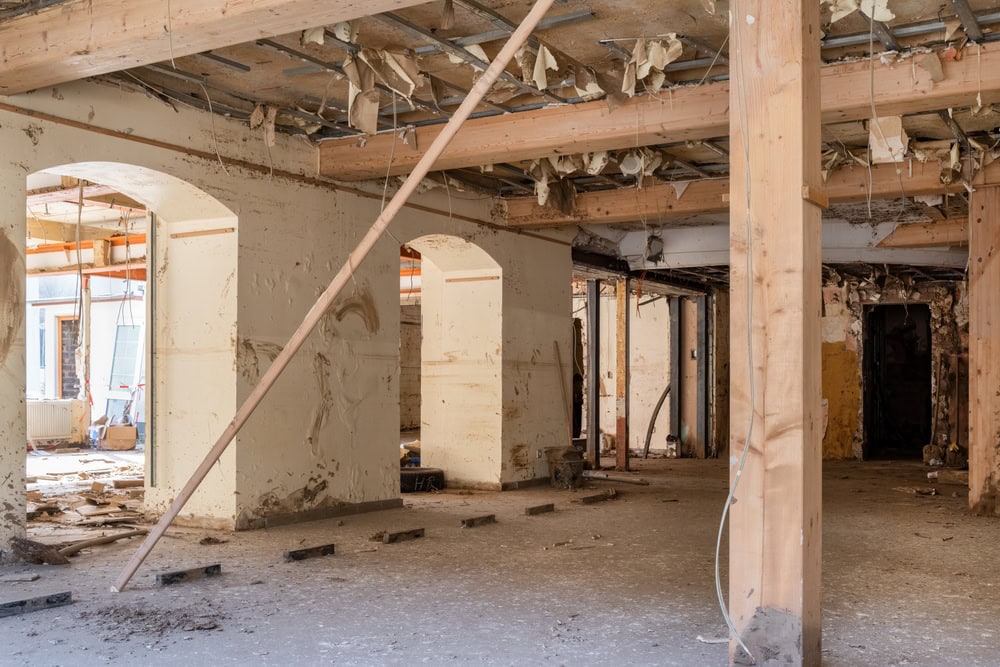
Soot and smoke residue cover everything after a fire. Soot is made up of tiny carbon particles that stick to surfaces and infiltrate porous materials. It’s acidic, which means it continues to corrode and stain if not removed quickly.
Smoke cleanup starts with dry methods. We use specialized sponges and HEPA-filtered vacuums to lift loose soot without smearing it. Wiping soot with regular cleaning methods just pushes it deeper into materials and spreads the stains.
After dry cleaning, wet cleaning begins. Different surfaces require different approaches. Hard surfaces might need mild detergents, while porous materials like drywall may need stronger chemical cleaners or even replacement if the smoke penetration is too deep.
HVAC systems get special attention during smoke cleanup. Ductwork carries smoke and soot throughout the entire property, even to rooms that weren’t near the fire. We clean or replace ductwork, filters, and vents to prevent smoke particles from recirculating once the system runs again.
Contents cleaning happens alongside structural cleanup. Furniture, clothing, electronics, and personal belongings are assessed to determine what can be salvaged. Some items can be cleaned on-site, while heavily damaged items might be taken to a specialized facility for restoration.
Our smoke cleanup process in Greenwood, Indianapolis, and surrounding Central Indiana areas follows strict protocols. As IICRC-certified technicians, we understand which cleaning methods work for different materials and which items are beyond saving. Our goal is to restore as much as possible while ensuring nothing hazardous remains.
Timing matters with soot and smoke damage. The longer residue sits on surfaces, the harder it is to remove and the more permanent the damage becomes. That’s why we emphasize fast response times and immediate cleanup once the property is secured.
Smoke odor is one of the most persistent problems after a fire. You can clean every visible surface and still smell smoke. That’s because smoke molecules are microscopic and penetrate deep into materials that regular cleaning can’t reach.
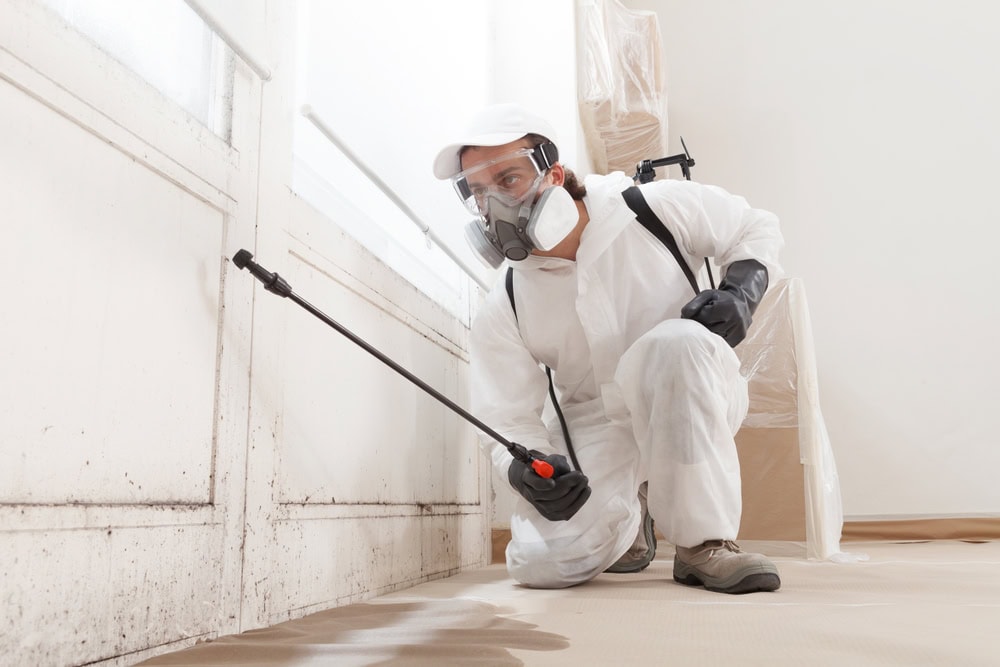
Professional odor removal uses specialized equipment and techniques. Thermal fogging is one method. It creates a fine mist of deodorizing solution that behaves like smoke, penetrating the same cracks, crevices, and porous materials where smoke molecules are trapped. The deodorizer neutralizes odors at the molecular level.
Ozone generators are another tool for severe odor problems. Ozone breaks down smoke molecules, eliminating odors rather than masking them. However, ozone treatment requires the property to be unoccupied during the process because high concentrations can be harmful to people and pets.
Hydroxyl generators offer a safer alternative. They produce hydroxyl radicals that neutralize odors and can be used in occupied spaces. This makes them ideal for commercial properties that need to remain operational during restoration.
Air scrubbers with HEPA filters remove airborne particles and improve overall air quality. They capture smoke particles, soot, and other contaminants that regular ventilation can’t eliminate.
In some cases, materials are too saturated with smoke to be saved. Drywall, insulation, carpeting, and upholstery might need replacement if cleaning and deodorization can’t remove the smell. Sealing remaining porous surfaces with specialized primers can trap residual odors before repainting or refinishing.
For properties in Hamilton County, Johnson County, and Hendricks County, smoke odor removal is tailored to the specific type of fire. Different materials produce different types of smoke. Wood fires create dry soot that’s easier to clean than plastic fires, which leave oily, sticky residue. Protein fires from cooking produce nearly invisible smoke that leaves a strong, unpleasant odor.
We test air quality throughout the process to ensure smoke particles and odors are eliminated before reconstruction begins. The goal is a property that doesn’t just look clean but truly is clean, with air quality restored to pre-fire conditions.
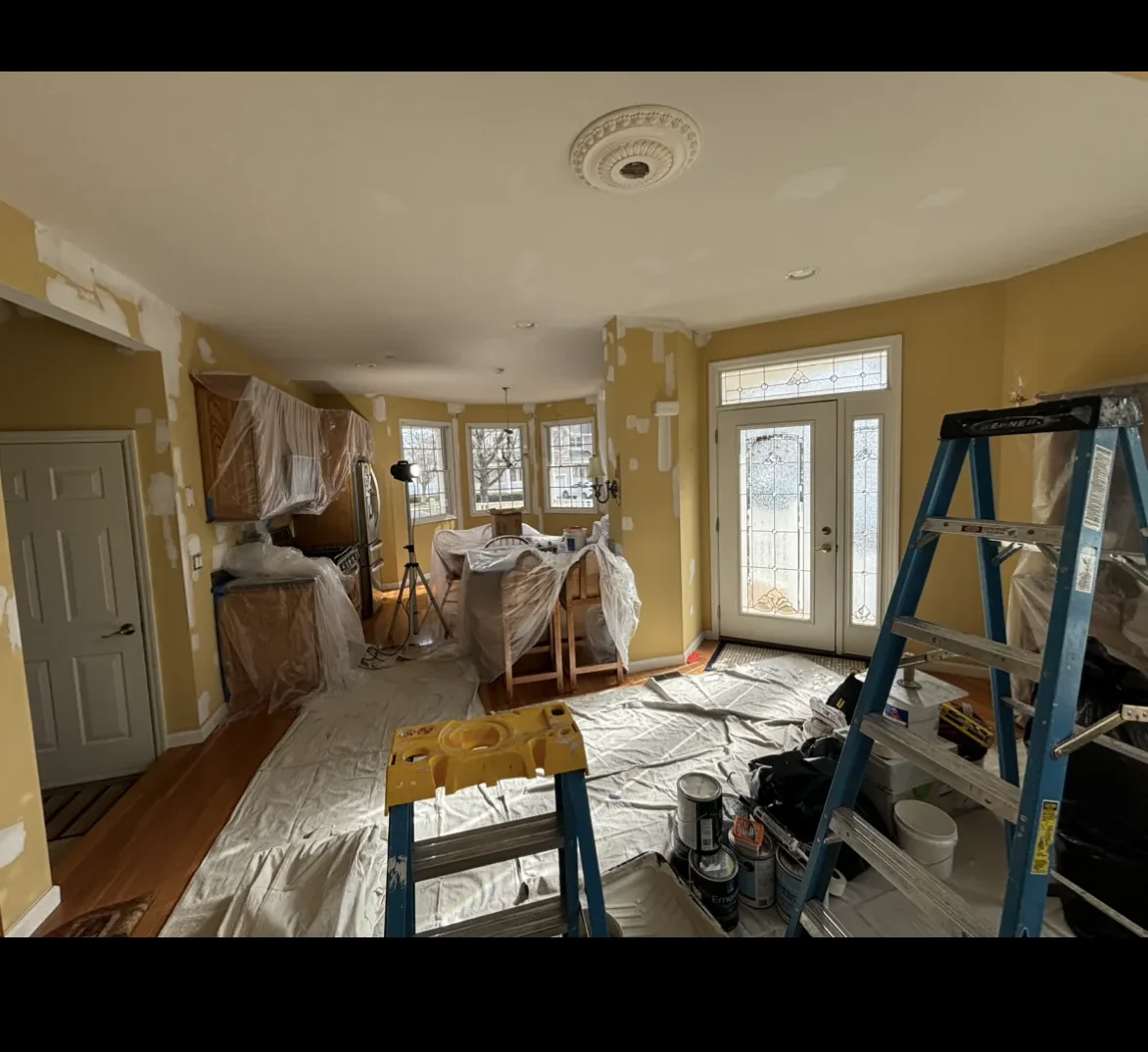
After cleanup and deodorization, reconstruction begins. This is where your property transforms from a disaster site back into a home or business. Reconstruction can range from minor repairs like repainting and replacing flooring to major work like rebuilding walls, ceilings, and structural components.
Throughout the entire process, insurance claims run parallel to restoration work. We document everything—photos, detailed notes, itemized estimates. We communicate directly with insurance adjusters, provide necessary paperwork, and help ensure you receive fair coverage for the damage.
The fire and smoke restoration process takes time. Small fires with limited damage might be resolved in weeks, while major fires requiring extensive reconstruction can take months. But understanding each step helps you know what to expect and when.
If you’re facing fire damage in Johnson County, Hamilton County, or Hendricks County, we provide comprehensive fire and smoke restoration from initial assessment through final reconstruction. The process is complex, but you don’t have to navigate it alone.
Summary:
Article details:
Share: