Mold in your Indiana home isn't just unsightly—it's a health hazard that spreads fast. Learn what professional mold remediation actually involves and why timing matters.
Indiana’s climate creates the perfect storm for mold growth. Humid summers, cold winters, temperature swings—all of it adds up to moisture problems that homeowners in Greenwood, Carmel, Fishers, and throughout central Indiana deal with year-round.
Mold needs three things to thrive: moisture, organic material, and temperatures between 40 and 100 degrees. Your home provides all three. Wood framing, drywall, insulation, even dust—these are food sources for mold. Add water from a leaky roof, poor ventilation, or flooding, and you’ve got a problem that can start within 24 to 48 hours.
The tricky part? Mold doesn’t always grow where you can see it. It hides behind walls, under floors, in HVAC systems, and throughout attics. By the time you spot visible growth, there’s often more lurking in places you haven’t checked.
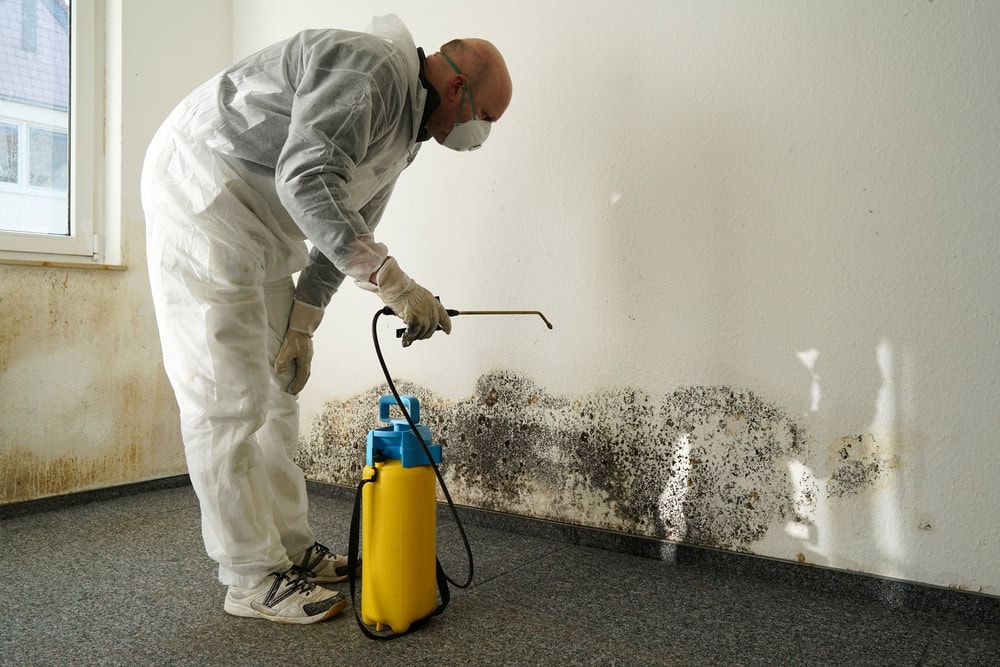
Water intrusion is behind almost every mold problem. In Johnson County, Hamilton County, and Hendricks County, that water gets into homes through several common routes.
Roof leaks are a major culprit, especially after severe storms or during winter when ice dams form along gutters. Even a small leak can saturate insulation and wood over time, creating conditions mold loves. Homeowners in Plainfield, Avon, and Noblesville often don’t realize there’s a problem until they see staining on ceilings or discover growth during an attic inspection for a real estate transaction.
Basement moisture is another frequent issue across central Indiana. Poor drainage around the foundation, groundwater seepage, or flooding during heavy spring rains can leave basements damp for extended periods. Concrete might look dry on the surface, but moisture can wick through it and affect anything stored against walls.
Condensation causes problems too, particularly in attics during cold months. Warm, moist air from your living space rises into the attic, hits cold roof sheathing, and creates condensation. This happens more often when bathroom exhaust fans vent into the attic instead of outside, or when insulation and air sealing aren’t adequate. Over time, that moisture feeds mold growth on wood surfaces—a common discovery during home inspections in the Indianapolis metro area.
HVAC systems can spread mold spores throughout your home if moisture accumulates in ductwork or around units. Poor ventilation in bathrooms and kitchens keeps humidity levels high, giving mold spores the environment they need to settle and grow.
Plumbing leaks—from pipes, water heaters, washing machines—often go unnoticed until significant damage occurs. A slow drip behind a wall can create a mold problem long before you see water stains.
Mold affects people differently, but the health risks are real and shouldn’t be dismissed.
The most common symptoms are respiratory. Coughing, sneezing, congestion, throat irritation, and watery eyes happen when you breathe in mold spores. For people with allergies, these symptoms can be severe and persistent. If you notice your symptoms improve when you leave the house and worsen when you return, mold exposure might be the cause.
Asthma sufferers face heightened risks. Mold exposure can trigger attacks, increase reliance on medications, and lead to emergency situations requiring medical attention. Children with asthma are particularly vulnerable, and studies have shown that childhood exposure to household mold increases the risk of developing asthma in the first place.
People with weakened immune systems—those undergoing chemotherapy, organ transplant recipients, people with HIV—can develop serious fungal infections from mold exposure. For these individuals, mold isn’t just an irritant; it’s a genuine health threat that requires immediate professional remediation.
Black mold, scientifically known as Stachybotrys chartarum, gets a lot of attention because it can produce mycotoxins under certain conditions. While research on black mold’s long-term effects is ongoing, health professionals take it seriously. The reality is that any type of indoor mold growth should be addressed, regardless of color or species.
Prolonged exposure to mold has been linked to more serious respiratory conditions, chronic fatigue, and even mood changes including depression and anxiety. The longer you live with mold, the greater the potential impact on your health.
Skin rashes and eye irritation are common when you come into direct contact with mold or spend time in spaces with high spore concentrations. Some people experience headaches or difficulty concentrating in mold-affected environments.
The bottom line: if you’re experiencing unexplained health symptoms and you know or suspect mold is present, getting it professionally removed protects your family’s wellbeing.
Want live answers?
Connect with a Elite Clean Restoration expert for fast, friendly support.
Mold remediation isn’t the same as cleaning. It’s a systematic process that addresses both the mold you can see and the conditions that allowed it to grow.
Professional mold remediation services start with a thorough inspection. Technicians look for visible mold, but they also use moisture meters and thermal imaging to find hidden problems. They need to identify the water source—whether it’s a leaky pipe, poor ventilation, or structural issue—because treating mold without fixing the cause means it’ll just come back.
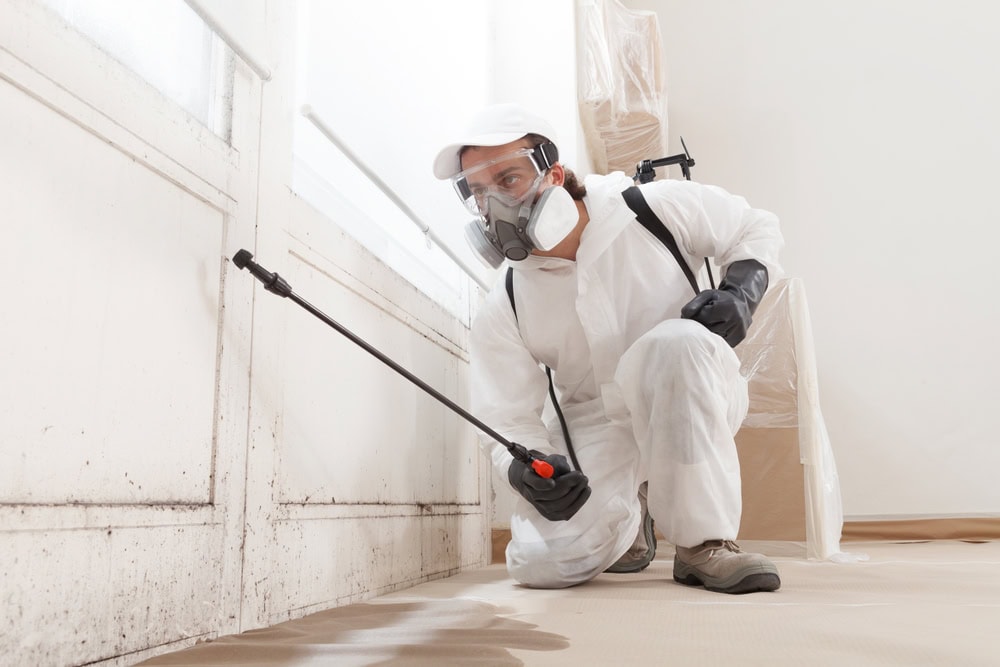
The process involves containment to prevent mold spores from spreading to unaffected areas during removal. Professionals set up physical barriers using plastic sheeting and create negative air pressure with specialized equipment. HEPA filtration systems capture microscopic spores from the air.
Removal varies depending on what’s affected. Non-porous surfaces like metal or tile can be cleaned and treated. Porous materials like drywall, insulation, or carpet that have been heavily contaminated usually need to be removed and disposed of properly. This isn’t about cutting corners—it’s about ensuring complete elimination.
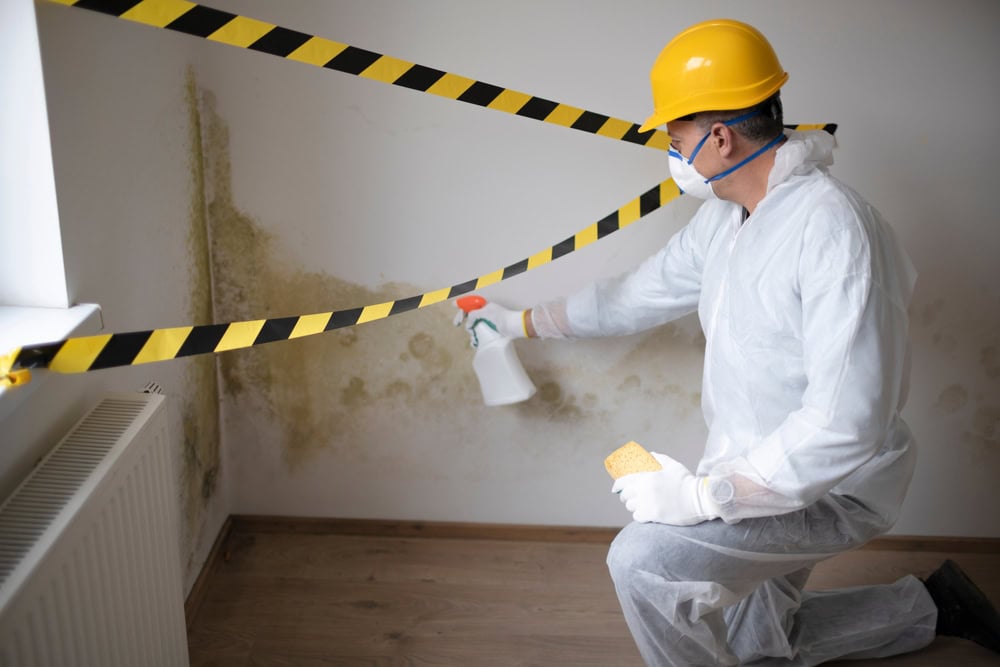
Before remediation begins, you need to know what you’re dealing with. That’s where mold inspection comes in.
For Indiana homeowners, mold inspection typically costs between $300 and $1,000, with most paying around $670 for a comprehensive assessment. The price depends on your home’s size, the number of areas being tested, and whether the inspector needs to conduct invasive investigation behind walls or under flooring.
A basic inspection includes a visual assessment where the inspector examines areas prone to moisture and mold growth—basements, attics, bathrooms, crawl spaces, around windows and doors. They’ll check for water stains, musty odors, and visible growth.
If testing is recommended, there are two main types. Surface sampling, which costs $200 to $300 per sample, involves taking swabs or tape lifts from suspected areas. These samples go to a lab to identify the specific type of mold present. Air testing, ranging from $250 to $350, measures the concentration of mold spores in your indoor air and compares it to outdoor levels. High indoor counts relative to outdoor counts indicate an active mold problem.
Here’s something important: if you can already see mold, you don’t necessarily need testing to confirm its presence. The EPA and most professionals recommend moving straight to remediation. Testing becomes valuable when you suspect hidden mold, when someone in your home is experiencing health symptoms without visible mold, or when you need documentation for insurance claims or real estate transactions.
Indiana doesn’t require state licensing for mold inspectors, so credentials matter. Look for inspectors certified by organizations like the IICRC (Institute of Inspection, Cleaning and Restoration Certification) or similar recognized bodies. These certifications indicate proper training in inspection protocols and safety standards.
Some companies offer free inspections, but be cautious. Reputable companies may provide free estimates after an initial assessment, but truly comprehensive inspections require time, equipment, and expertise that have real value. If someone offers to inspect your entire home for free, make sure they’re not just looking to upsell unnecessary services.
The inspection report should identify all areas of concern, explain likely moisture sources, provide recommendations for remediation, and give you a clear scope of work. This documentation is crucial for getting accurate quotes from remediation companies and for working with your insurance company if the damage is covered.
Cost is one of the biggest concerns homeowners have when facing mold problems. The numbers vary widely because every situation is different.
For Indianapolis and surrounding areas like Greenwood, Carmel, and Fishers, average mold remediation costs range from $1,200 to $3,750, with most homeowners paying around $2,200 for typical projects. Small, contained areas might cost $500 to $1,500 to remediate. Extensive problems affecting multiple rooms or requiring significant structural repairs can reach $10,000 to $30,000.
Professionals typically charge $10 to $25 per square foot, but location within your home affects the price. Attic mold remediation in Johnson County, Hamilton County, or Hendricks County generally costs $1,000 to $4,000. Basements run $1,500 to $6,000 depending on size and severity. HVAC system mold, which requires specialized cleaning and may involve ductwork throughout your home, typically costs $3,000 to $10,000.
Several factors influence your final cost. The extent of contamination is obvious—more mold means more work. But accessibility matters too. Mold in a crawl space or behind finished walls costs more to address than mold on exposed surfaces. The type of materials affected plays a role; removing and replacing drywall, insulation, or flooring adds to expenses.
If the underlying cause requires repairs—fixing a roof leak, addressing foundation drainage, replacing damaged plumbing—those costs are separate from mold remediation itself but necessary to prevent recurrence.
Insurance coverage varies. Sudden water damage from events like burst pipes is often covered, and the resulting mold remediation may be included. Gradual damage from long-term leaks or maintenance issues typically isn’t covered. Review your policy and document everything. Many professional mold removal companies work directly with insurance companies and can help with the claims process.
Indiana has no specific regulations requiring mold remediation licensing, but working with IICRC-certified professionals ensures they follow industry standards for safety and effectiveness. Certifications in mold remediation (NORMI), water damage restoration, and applied structural drying indicate proper training.
Get multiple quotes, but don’t automatically choose the lowest price. Mold remediation done incorrectly costs more in the long run when the problem returns. Ask about their process, what’s included, how they’ll prevent cross-contamination, and whether they provide documentation and clearance testing after completion.
Reputable companies provide detailed written estimates that break down costs by area and service. They should explain what they’ll do, what materials they’ll remove, how they’ll address the moisture source, and what timeline to expect. Transparency in pricing and process is a sign of a company you can trust.
Mold problems don’t improve with time. The longer you wait, the more it spreads, the more damage it causes, and the more it costs to fix properly.
If you’re dealing with mold right now, your next step is getting a professional assessment. Understanding the scope of the problem, identifying the moisture source, and getting a clear remediation plan gives you control over the situation. You’ll know what you’re facing, what it’ll cost, and how long it’ll take to resolve.
Professional mold remediation services protect your family’s health, preserve your home’s value, and give you confidence that the problem is truly solved—not just covered up. In Johnson County, Hamilton County, and Hendricks County, homeowners have access to experienced, certified professionals who understand Indiana’s specific climate challenges and can address mold issues thoroughly.
We specialize in mold remediation with IICRC certifications and 20 years of experience serving central Indiana. Our team responds quickly to emergency mold situations, works directly with insurance companies, and uses proper containment and removal techniques to eliminate mold and prevent its return.
Summary:
Article details:
Share: