After water damage, your HVAC system can become a highway for mold spores. Here's what you need to know about protecting your home's air quality.
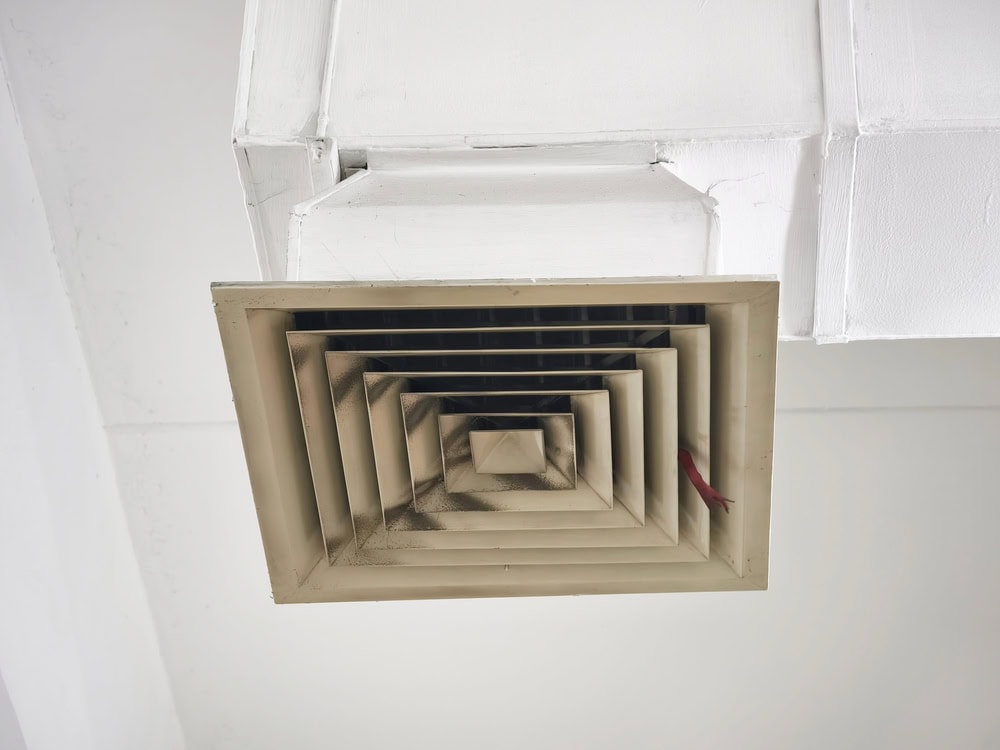
Water damage doesn’t respect boundaries. It seeps into walls, soaks insulation, and finds its way into spaces you can’t see—including your ductwork.
If your HVAC system was running when water entered your home, there’s a strong chance moisture was pulled into the ducts through return vents or leaked in through compromised seals. Even if the system was off, rising humidity levels and standing water can create condensation inside ductwork. That’s all mold needs.
Your ducts are dark, enclosed, and often insulated—perfect conditions for mold growth once moisture is introduced. And because your HVAC system circulates air throughout your entire home, contaminated ductwork doesn’t stay a localized problem for long.
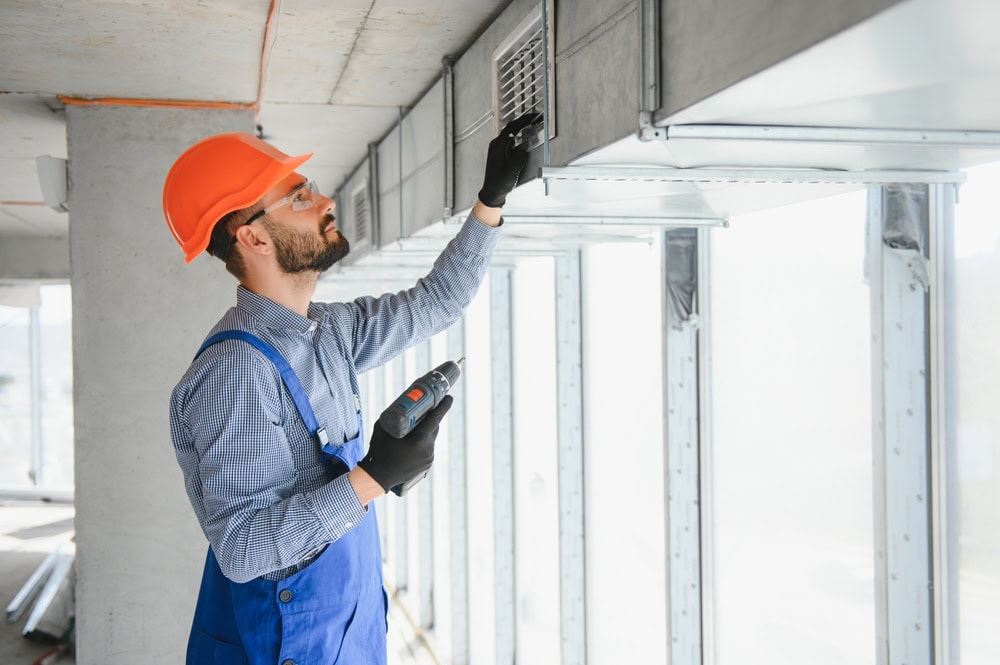
Mold reproduces by releasing microscopic spores into the air. In a typical indoor environment, those spores might settle on nearby surfaces. But when mold grows inside your HVAC system, those spores get picked up by airflow and distributed to every room connected to your ductwork.
Every time your furnace or air conditioner runs, it creates air movement. If there’s mold in your ducts, on your evaporator coil, or in your drain pan, that air movement becomes a delivery system. Spores that started in one section of ductwork end up in bedrooms, living areas, and anywhere else your system reaches.
This is why you might notice musty odors throughout the house even though the water damage was contained to one area. It’s also why family members might start experiencing respiratory symptoms—coughing, sneezing, itchy eyes—even after the visible damage has been repaired. Whether you’re in Carmel, Fishers, or Plainfield, the pattern is the same: water damage plus HVAC operation equals widespread contamination.
According to the EPA, moisture should not be present in ducts, and controlling moisture is the most effective way to prevent mold growth. But once water damage has occurred, the question isn’t whether moisture got in. The question is what you’re going to do about it now.
The speed matters too. Mold can start growing within 24 to 48 hours of water exposure. If your HVAC system was affected and you wait days or weeks to address it, you’re giving mold time to establish itself and spread. At that point, surface cleaning won’t cut it. You need professional HVAC mold removal.
Ignoring mold in your HVAC system doesn’t make it go away. It makes it worse.
Mold feeds on organic materials—dust, pollen, skin cells, and other debris that accumulate in ductwork over time. As long as moisture is present, mold will continue to grow. And as it grows, it releases more spores into your indoor air.
The health effects can range from annoying to serious. For most people, mold exposure causes allergy-like symptoms: sneezing, congestion, watery eyes, and throat irritation. But for individuals with asthma, respiratory conditions, or weakened immune systems, mold exposure can trigger more severe reactions. Children and elderly family members are particularly vulnerable.
Beyond health concerns, mold damages your HVAC system itself. It can clog filters, reduce airflow, and force your system to work harder to maintain temperature. That means higher energy bills and increased wear on components. According to the U.S. Department of Energy, 25 to 40 percent of the energy used for heating or cooling is wasted when systems are contaminated with dust and debris. Mold adds another layer of inefficiency.
There’s also the issue of odor. Mold has a distinct musty smell that’s hard to mask. If you’re noticing that smell every time your HVAC runs—whether you’re in Noblesville, Brownsburg, or Greenwood—it’s a clear sign that something’s growing where it shouldn’t be.
And here’s the part that catches people off guard: if you’ve had professional mold remediation done but didn’t address the ductwork, you might see mold return. That’s because the spores are still circulating through your system, landing on surfaces throughout your home, and restarting the cycle. Effective mold remediation includes addressing every part of the contamination—including your HVAC system.
Want live answers?
Connect with a Elite Clean Restoration expert for fast, friendly support.
Professional air duct cleaning after water damage isn’t the same as routine maintenance cleaning. This is restoration work—removing contaminants that shouldn’t be there and sanitizing the system to prevent future growth.
The process starts with assessment. We inspect your ductwork using cameras and moisture meters to determine the extent of contamination. We’re looking for visible mold, water stains, debris, and any signs that moisture has compromised your system.
Once the scope is clear, the real work begins: source removal, not just surface cleaning. That means using powerful HEPA-filtered vacuums and specialized tools to physically remove mold, dust, and debris from your ductwork. The goal is to extract contaminants, not just push them around or blow them back into your living space.
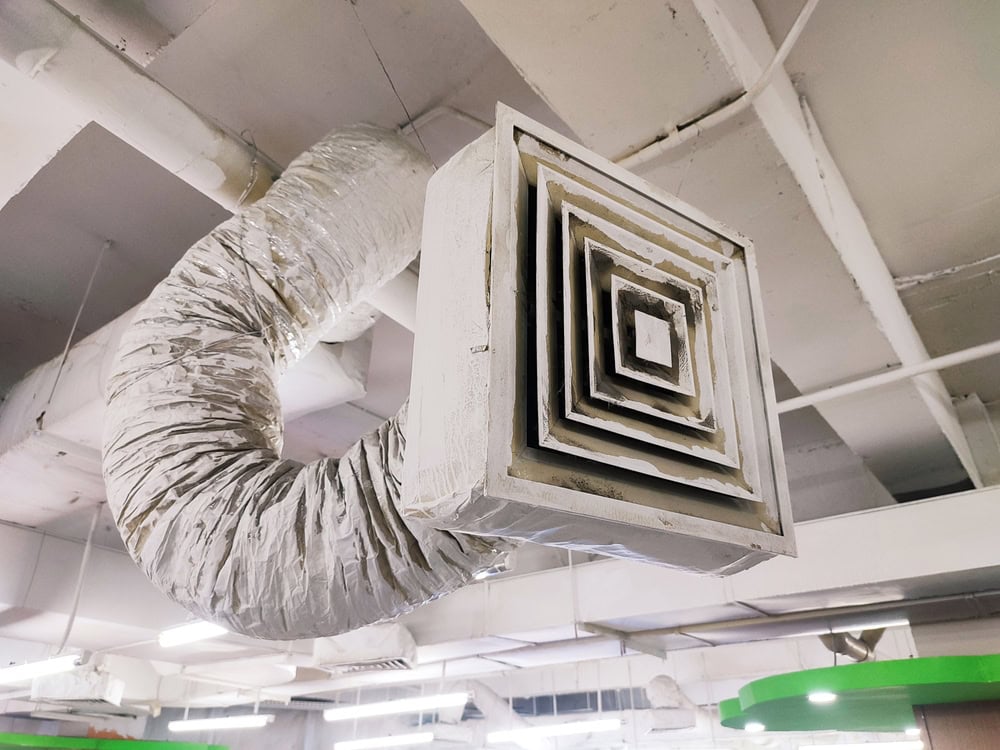
Cleaning removes what’s already there. Residential duct sanitization prevents it from coming back.
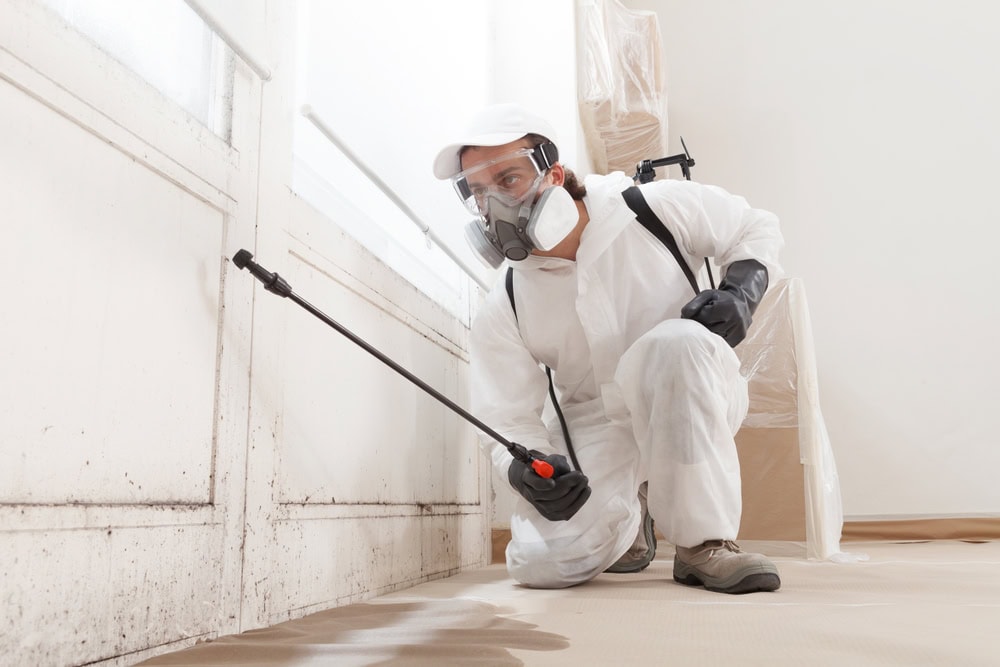
After your ductwork has been thoroughly cleaned, we apply EPA-registered sanitizers specifically designed for HVAC systems. These products are fogged into the ductwork under negative air pressure, which allows the sanitizer to coat every interior surface—even areas that are difficult to reach manually.
The sanitizers we use kill bacteria, viruses, mold spores, and mildew on contact. Many also create a protective barrier that inhibits future microbial growth for several months. This step is especially important after water damage, because even if all visible mold has been removed, microscopic spores can remain dormant until conditions are right for them to grow again.
It’s worth noting that not all sanitizers are created equal. EPA registration matters. Products must be specifically labeled for use in HVAC systems to ensure they’re safe and effective. Some companies use harsh chemicals that can damage ductwork or leave behind harmful residues. We use hospital-grade, botanical-based disinfectants that are non-corrosive and safe for indoor use.
Residential duct sanitization also addresses odor. Water damage often leaves behind a musty smell that lingers even after cleaning. Proper sanitization neutralizes those odors at the source rather than just masking them.
One more thing: timing matters. If you’ve had mold remediation done, duct cleaning and sanitization should happen after all drywall replacement and structural work is complete. Cleaning the ducts first, then doing demolition work, just reintroduces dust and debris into the system. The sequence matters as much as the service itself.
You can’t fix this problem with a vacuum cleaner and some bleach. Water damage and mold contamination in HVAC systems require specialized equipment and expertise that most homeowners simply don’t have access to.
Consider what’s actually involved. Professional duct cleaning uses truck-mounted vacuum systems with suction power of 12,000 cubic feet per minute or more. These systems create negative pressure throughout your ductwork, pulling contaminants toward a collection device. Portable vacuums—even high-end shop vacs—don’t come close to that level of power.
Then there’s the issue of access. Your ductwork isn’t just the visible vents in each room. It’s a network of supply and return ducts, plenums, coils, and air handlers—much of which is hidden behind walls, in attics, or in crawl spaces. Reaching all of those areas requires specialized tools like rotary brushes, air whips, and flexible rods that can navigate the entire system.
Sanitization adds another layer of complexity. Fogging equipment distributes disinfectant evenly throughout the duct system, but only when used correctly. Apply too much, and you risk moisture buildup that could encourage mold growth. Apply too little, and you’re not getting full coverage. We know how to calibrate application based on system size and contamination level.
There’s also the safety factor. Disturbing mold without proper containment can spread spores throughout your home, making the problem worse. We use containment barriers, HEPA filtration, and negative air machines to prevent cross-contamination during the cleaning process.
And let’s be honest: most people don’t know what to look for. You might clean the visible sections of ductwork and think you’re done, but miss hidden mold on the evaporator coil, in the condensate drain pan, or deep in the return plenum. We’re trained to identify problem areas and address the entire system, not just the parts you can see.
After water damage, your HVAC system needs more than a quick cleaning. It needs restoration. That’s not a DIY job.
Water damage is stressful enough without worrying about what’s happening inside your walls and ductwork. But here’s the reality: if you don’t address your HVAC system after a water event, you’re leaving the door open for mold growth, health problems, and recurring issues that could have been prevented.
Professional air duct cleaning and sanitization removes the contaminants that water damage leaves behind. It stops mold from spreading through your home. It protects your family’s health and restores the indoor air quality you deserve.
If you’ve recently dealt with water damage, flooding, or mold remediation in Johnson County, IN, Hamilton County, IN, or Hendricks County, IN, don’t assume your HVAC system is fine just because you can’t see the problem. Reach out to us at Elite Clean Restoration. Let’s make sure your home’s air is actually as clean as it looks.
Summary:
Article details:
Share: