Hear from Our Customers
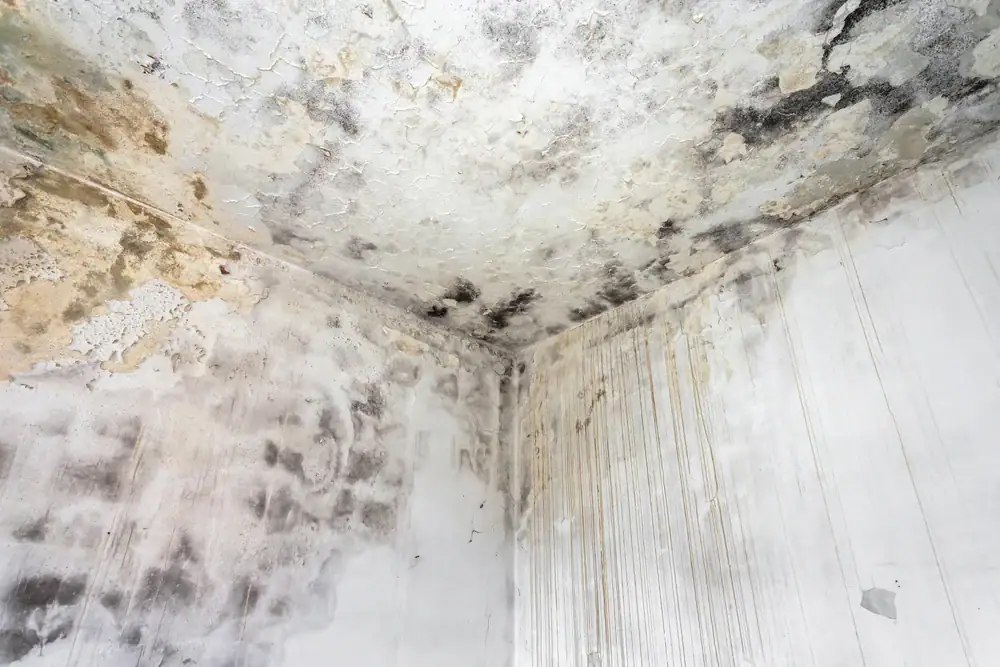
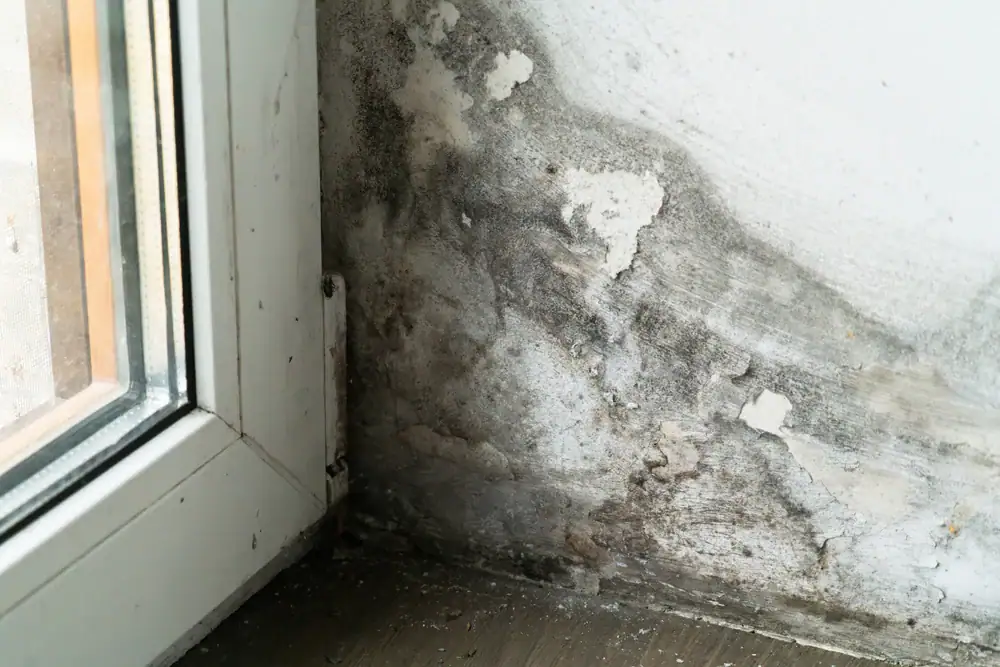
You walk back into rooms that don’t smell musty. Your family stops coughing at night. The black spots behind the drywall are gone—not just covered up.
That’s what happens when mold remediation is done correctly. You’re not wondering if spores are still hiding in your HVAC or crawl space. You’re not dealing with the same problem six months later because someone missed the moisture source.
You get documentation that shows exactly what was removed, where it was, and what was done to keep it from coming back. If you’re filing an insurance claim, you have photos and moisture maps that adjusters actually accept. If you’re selling your home, you have proof the problem was handled by IICRC-certified professionals who know Indiana’s humidity issues and how older homes in Stones Crossing trap moisture in basements and crawl spaces.
We handle mold removal across Stones Crossing and the Indianapolis area. We’re IICRC-certified in mold remediation, water damage restoration, and applied structural drying—which matters because mold doesn’t grow without moisture, and fixing one without the other just delays the problem.
We’re BBB-accredited and we answer our phones 24/7. Not a call center—our team. You call, we respond, and someone’s at your door in 60 to 90 minutes with containment barriers, HEPA filtration, and a moisture meter.
Stones Crossing sits in Johnson County where spring rains, summer humidity, and older housing stock create perfect conditions for mold growth. We’ve seen it in basements that flood every March, crawl spaces that never dry out, and attics where roof leaks went unnoticed for months. We know what to look for and how to fix it.
First, we show up fast. You call our 24/7 line and we’re on-site in 60 to 90 minutes to assess the damage. We map moisture levels, take photos, and identify the source—because mold removal without fixing the leak or humidity problem is just temporary.
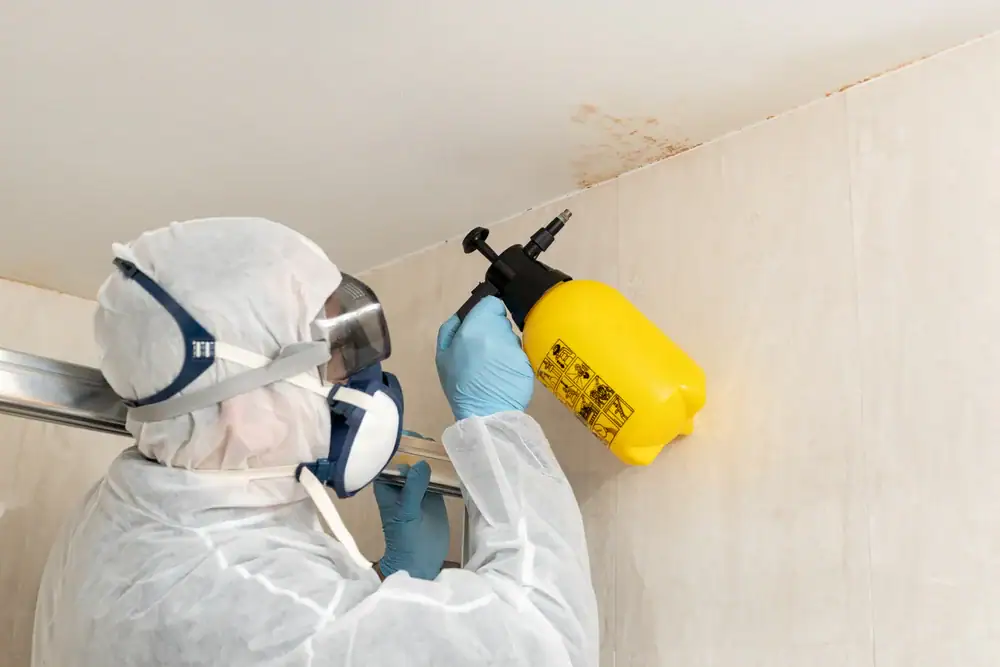
Next, we contain the area. We set up physical barriers and negative air pressure with HEPA filtration so mold spores don’t spread to clean rooms while we work. We wear shoe covers. We protect your belongings. If contents need to be moved, we pack them out and store them safely.
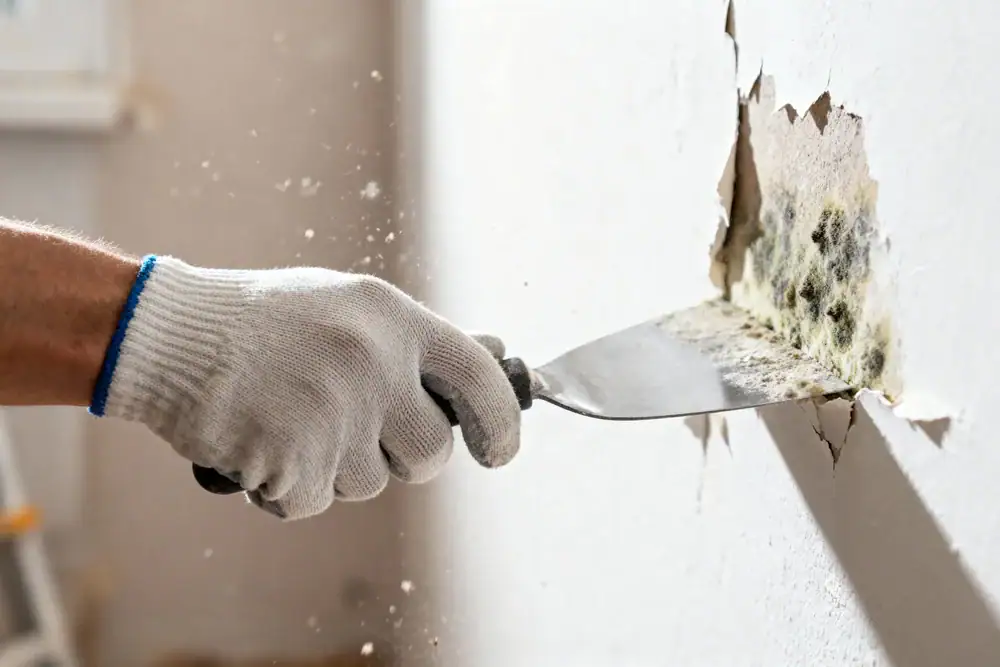
Then we remove the mold. We follow IICRC protocols—removing contaminated materials, cleaning affected surfaces, and treating areas with antimicrobial solutions. We don’t just spray and pray. We document every step with photos and progress reports sent within 24 hours, then every 48 hours after that.
Finally, we verify it’s gone. We complete a post-remediation walkthrough with you, explain what was done, and follow up 14 days later to make sure everything’s still dry and clear. If you’re working with insurance, we handle the paperwork and align our pricing with Xactimate so there are no surprises.
Ready to get started?
Every mold remediation project in Stones Crossing includes a full moisture inspection. We use thermal imaging and moisture meters to find hidden water damage behind walls, under flooring, and in ceiling cavities. Indiana’s humid summers push indoor humidity above 60%, and your basement or crawl space becomes a breeding ground if there’s any standing water or poor ventilation.
You also get containment and air scrubbing. We seal off the work area with plastic barriers and run HEPA air scrubbers to capture airborne spores. This keeps your kitchen, bedrooms, and living areas safe while we handle the contaminated zones. We’re not tracking mold through your house.
If you’re filing an insurance claim, we provide detailed documentation—photos, moisture maps, scope of work, and progress updates. We communicate directly with your adjuster and use Xactimate pricing so your claim gets processed without back-and-forth disputes. For non-insurance jobs, we offer discounts for military members, seniors, first responders, and teachers.
We also handle the stuff most companies skip: contents pack-out if your belongings are affected, crawl space drying, odor neutralization, and even HVAC duct cleaning if mold spread through your system. You’re not calling three different contractors to finish the job.
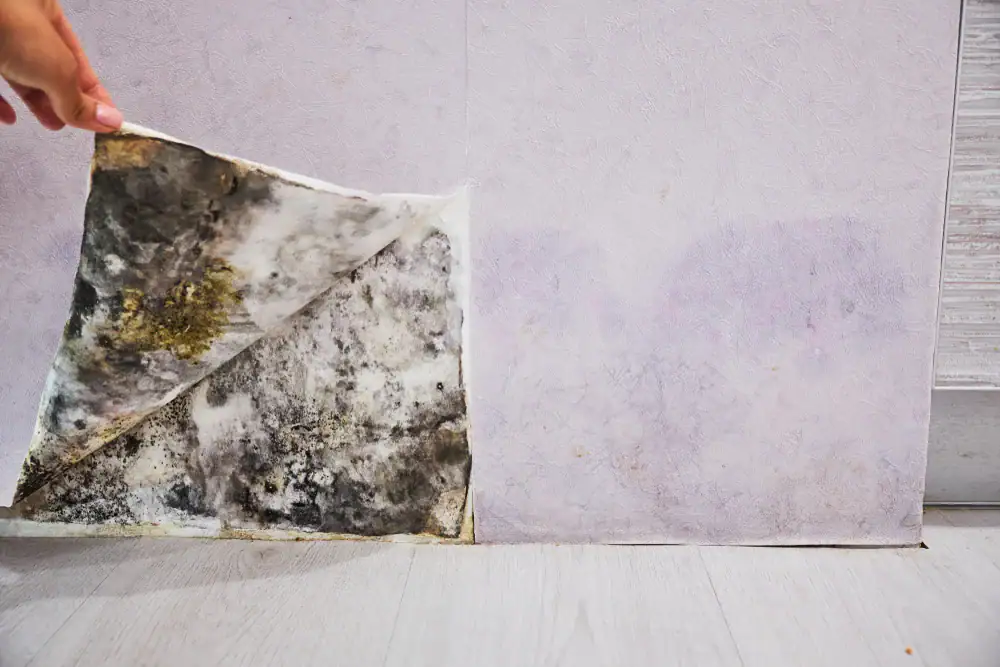
We’re on-site in 60 to 90 minutes after you call our 24/7 line. Mold spreads fast, especially during Indiana’s humid summer months when indoor moisture levels spike. Every hour you wait gives spores more time to colonize new areas and release more allergens into your air.
Our trucks are stocked with containment barriers, HEPA air scrubbers, moisture meters, and antimicrobial treatments. We don’t need to go back to the shop for equipment. We assess the damage immediately, set up containment, and start remediation the same day if the situation calls for it.
Speed matters because mold doubles in size every 24 to 48 hours under the right conditions. If you’ve got a basement that flooded or a roof leak that’s been dripping for weeks, waiting until Monday or next week can turn a $3,000 problem into a $10,000 problem. We respond nights, weekends, and holidays because mold doesn’t take days off.
It depends on what caused the mold. Most homeowners insurance policies in Indiana cover mold remediation if it resulted from a sudden, accidental event—like a burst pipe, storm damage, or appliance failure. They typically won’t cover mold that grew because of long-term neglect, poor maintenance, or chronic humidity issues.
We handle the insurance side for you. We document everything with photos, moisture readings, and detailed scopes of work. We communicate directly with your adjuster and use Xactimate pricing, which is the same software most insurance companies use to estimate claims. That alignment reduces disputes and speeds up approval.
If your policy has a mold coverage cap—common limits are $10,000 or $25,000—we’ll let you know upfront if the damage exceeds that amount. We also identify whether the water source is covered, because if the pipe burst is covered but the resulting mold isn’t, you need to know before we start tearing out drywall. We’ve worked with every major carrier in Central Indiana and we know how to present claims that get paid.
We fix the moisture problem, not just the mold. Mold needs three things to grow: organic material, the right temperature, and moisture. You can’t control the first two in a home, but you can control moisture. If we remove mold without stopping the leak, condensation, or humidity issue, you’ll have mold again in weeks.
We use moisture meters and thermal imaging to find hidden water sources. We check crawl spaces for standing water, attics for roof leaks, basements for foundation cracks, and HVAC systems for condensation buildup. If your bathroom exhaust fan vents into the attic instead of outside, we’ll catch that. If your sump pump isn’t keeping up with spring rains, we’ll tell you.
After remediation, we follow up 14 days later to verify moisture levels are stable and no new growth has appeared. We also give you a clear list of what needs to stay dry—dehumidifier recommendations, ventilation improvements, gutter repairs. Stones Crossing gets humid, and older homes here weren’t built with vapor barriers or proper crawl space ventilation. We account for that in every job.
Mold removal means scrubbing visible mold off surfaces. Mold remediation means bringing mold levels back to normal, natural levels and preventing regrowth. You can’t remove every single mold spore from a home—they’re everywhere in the air. But you can remove active colonies, fix the conditions that let them thrive, and restore your indoor air quality to safe levels.
Remediation includes containment so spores don’t spread during cleanup. It includes HEPA filtration to capture airborne particles. It includes removing porous materials like drywall and insulation that can’t be fully cleaned. It includes treating surfaces with antimicrobial solutions and verifying moisture levels are below 60% relative humidity.
If someone offers to spray bleach on your basement walls and call it done, that’s removal—and it won’t last. Bleach kills surface mold on non-porous materials like tile, but it doesn’t penetrate drywall or wood. It also adds moisture, which can make the problem worse. IICRC-certified remediation follows EPA and industry protocols that actually work. You’re paying for a process, not a quick fix.
Small projects—like a bathroom with mold around the tub—take one to two days. Medium projects—like a basement with mold on drywall and insulation—take three to five days. Large projects—like whole-home contamination from a long-term roof leak—can take a week or more.
Timing depends on the extent of contamination, how much material needs to be removed, and how long it takes to dry out the structure. We can’t rush drying. If your crawl space is soaked, we need to run dehumidifiers and air movers for 48 to 72 hours before we can verify it’s dry enough to close up. Sealing moisture inside walls just creates a new mold problem.
We send progress updates every 48 hours so you know exactly where we are in the process. We also coordinate with your schedule—if you need to stay in the home, we contain work areas so you’re not displaced. If you need us to work nights or weekends to meet a closing deadline, we make it happen. Stones Crossing projects move fast because we’re local, we’re stocked, and we don’t wait around for subcontractors.
It depends on the size and location of the contamination. If mold is contained to one bathroom or a section of basement and we can seal it off with physical barriers and negative air pressure, you can usually stay. If mold has spread through your HVAC system or affected multiple rooms, it’s safer to stay elsewhere until containment is complete.
We set up HEPA air scrubbers that create negative pressure in the work zone. That means air flows into the contaminated area, not out into your living spaces. We also seal vents, doorways, and any openings with plastic sheeting. You won’t smell demo dust in your kitchen or find drywall particles on your couch.
If you have young children, elderly family members, or anyone with asthma or compromised immune systems, we recommend staying somewhere else during active remediation. Mold exposure can trigger respiratory issues, and even with containment, there’s some risk during the removal phase. We’ll give you a straight answer based on your specific situation—we’re not going to tell you it’s fine if it’s not.
Other Services we provide in Stones Crossing